Army Contaminated Installations
99 Army installations are profiled on this site for documented environmental contamination. Each page covers what was found, the cleanup status, and the health concerns for those who served there.
Badger Army Ammunition Plant
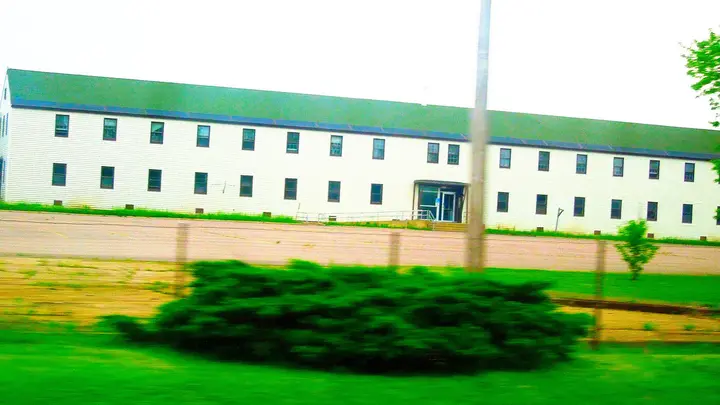
Badger Army Ammunition Plant in Sauk County, Wisconsin produced military propellants and left widespread groundwater contamination now under cleanup.
Blue Grass Army Depot
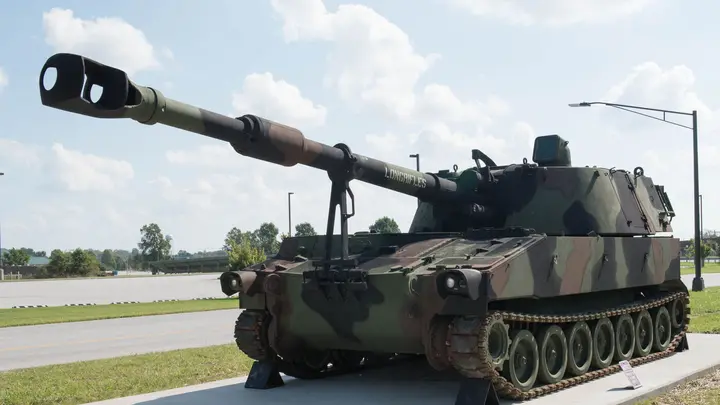
An active Army depot near Richmond, Kentucky, once home to a chemical-weapons stockpile and now under review for PFAS in nearby water.
Camp Atterbury
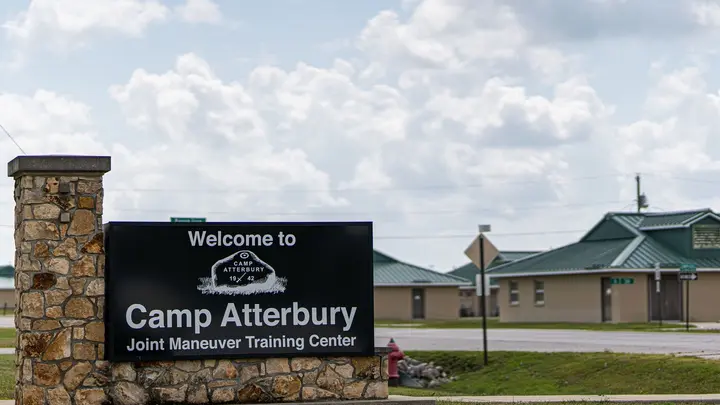
An overview of PFAS groundwater concerns at Camp Atterbury, the Army National Guard training base in Indiana.
Camp Bonneville
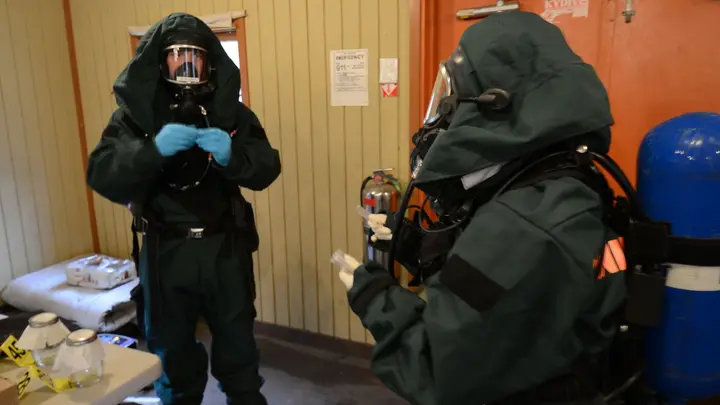
Camp Bonneville was a former Army training reservation near Vancouver, Washington, with documented RDX, perchlorate, and lead contamination.
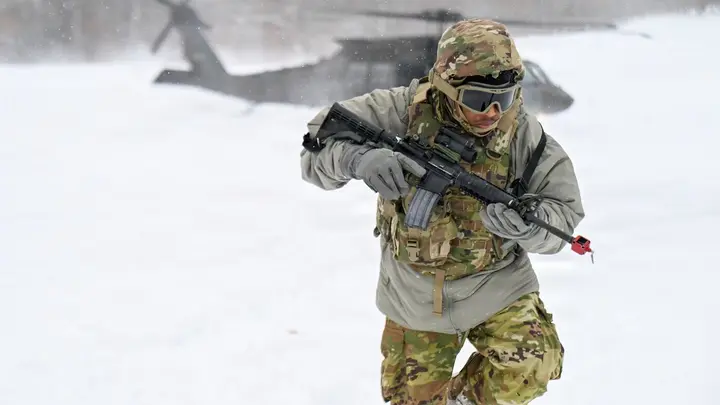
Camp Grayling Joint Maneuver Training Center
Camp Grayling in Michigan was among the state's first military sites where PFAS was found in nearby wells.
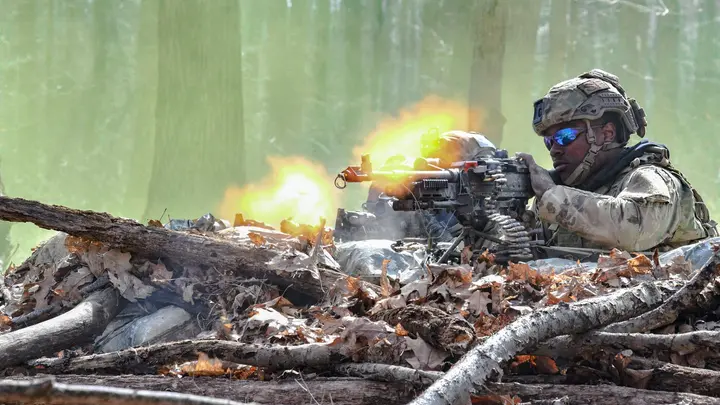
Camp James A. Garfield Joint Military Training Center (Ravenna Army Ammunition Plant)
A former Ohio ammunition plant, now an Army National Guard training center, with documented explosives, PFAS, metals and PCB contamination.
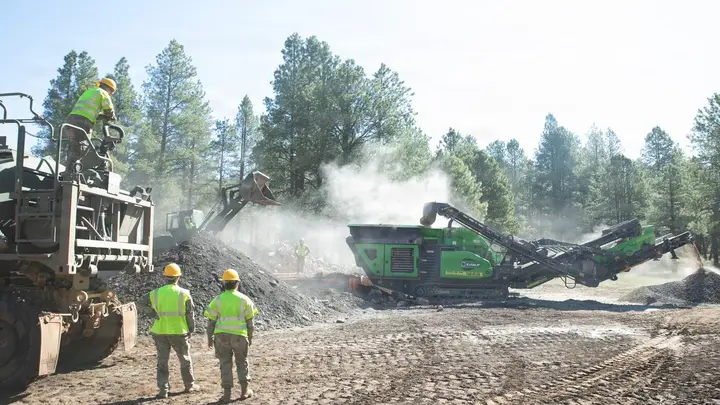
Camp Navajo
An Arizona Army National Guard training site near Bellemont where PFAS were detected in drinking water during 2016 to 2018.
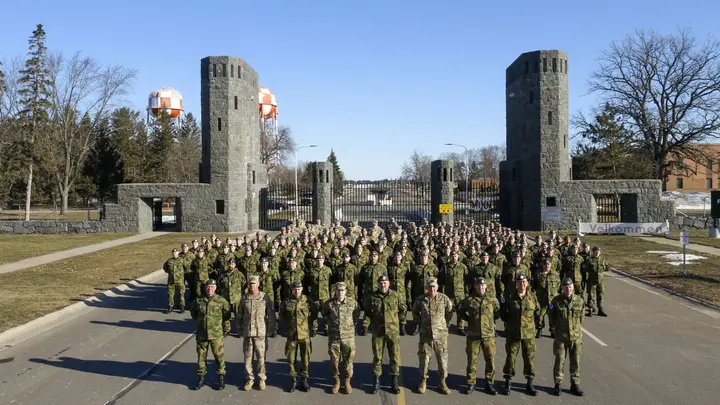
Camp Ripley (Minnesota National Guard Training Center)
Camp Ripley is a Minnesota Army National Guard training site near Little Falls where historic firefighting foam use is under PFAS investigation.
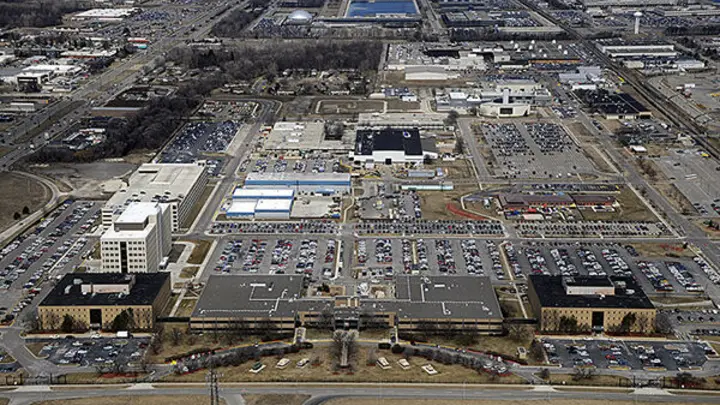
Detroit Arsenal
Detroit Arsenal in Warren, Michigan is an active Army installation where a CERCLA investigation documented PFAS in groundwater.
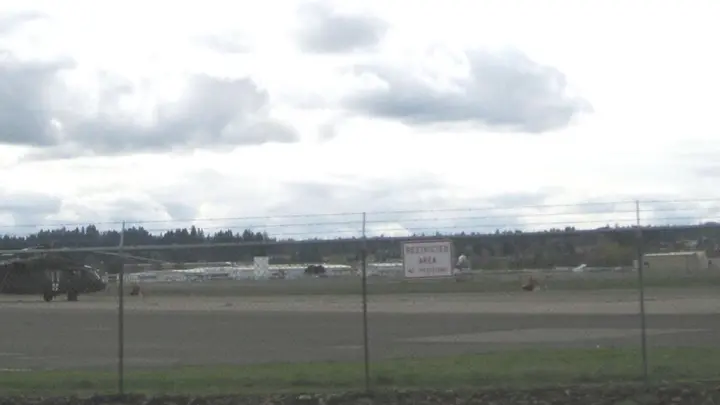
Former Salem Army Airfield (McNary Field)
A former World War II Army airfield at McNary Field in Salem, Oregon, now under DEQ investigation for PFAS contamination.
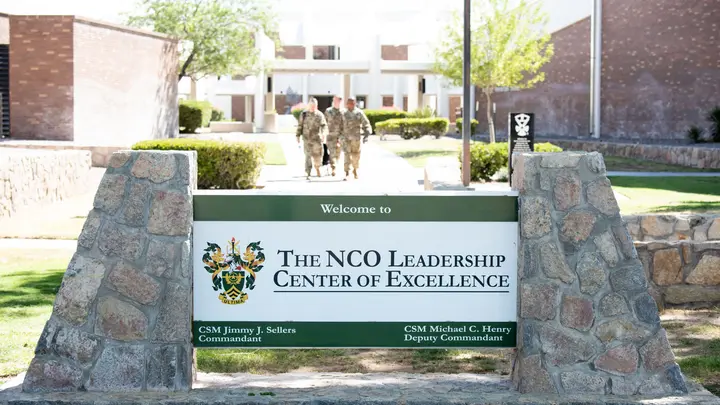
Fort Bliss
Fort Bliss in El Paso, Texas has been associated with PFAS concerns tied to past firefighting foam use.
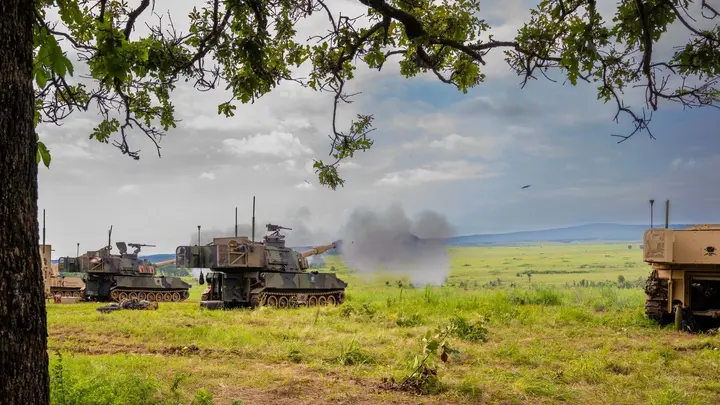
Fort Chaffee Joint Maneuver Training Center
Fort Chaffee in western Arkansas has been associated with PFAS concerns tied to past use of firefighting foam.

Fort Crowder (Camp Crowder)
Former Army Signal Corps training center near Neosho, Missouri, now a Formerly Used Defense Site with documented TCE and solvent contamination.
Fort Eisenhower (Fort Gordon)
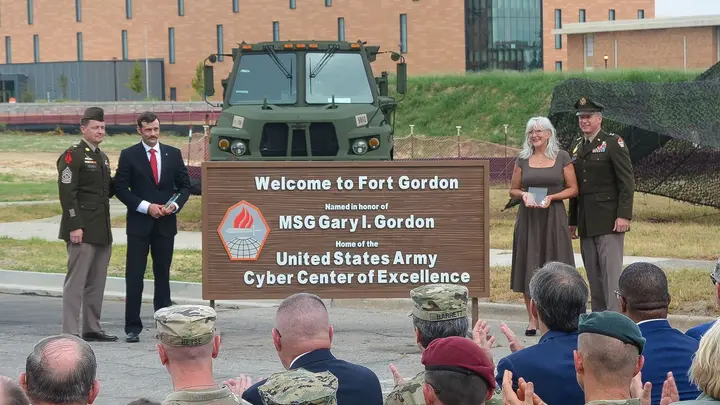
PFAS from firefighting foam has been associated with groundwater concerns at Fort Eisenhower (Fort Gordon) near Augusta, Georgia.

Fort Gillem
A former Army logistics post in Forest Park, Georgia where solvent, petroleum, and PFAS contamination is still being addressed.
Fort Huachuca
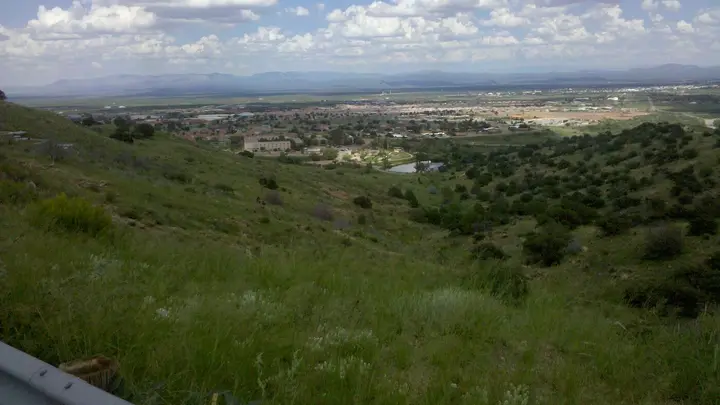
Fort Huachuca is an Army intelligence post near Sierra Vista, Arizona where PFAS and other contaminants have been documented.
Fort Hunter Liggett
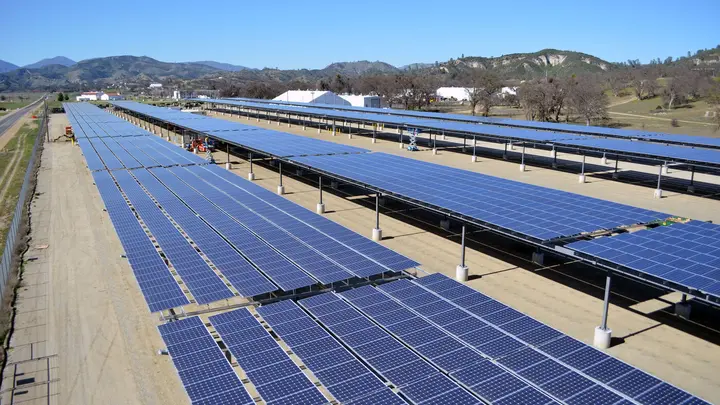
Fort Hunter Liggett, an Army Reserve training installation in California, has documented groundwater solvent and PFAS concerns.
Fort Indiantown Gap
Fort Indiantown Gap, a Pennsylvania National Guard installation, was added in 2019 to the state environmental agency list of PFAS contamination sites.
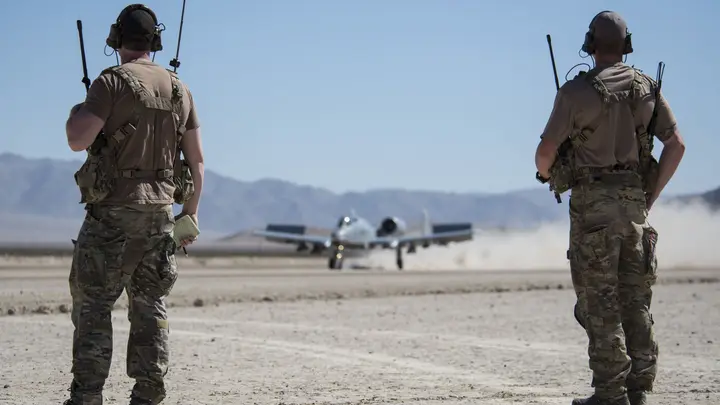
Fort Irwin National Training Center
Fort Irwin is an Army desert training center in California's Mojave Desert under a DoD PFAS assessment and state cleanup oversight.
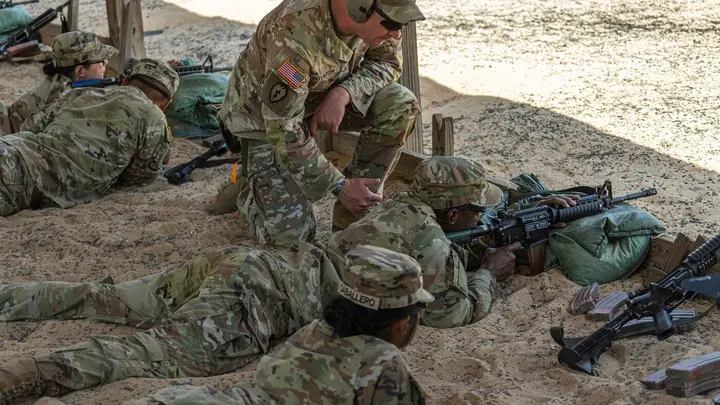
Fort Jackson
Fort Jackson, the Army's largest basic training post, has documented PFAS, RDX, TCE and metals in its environment.
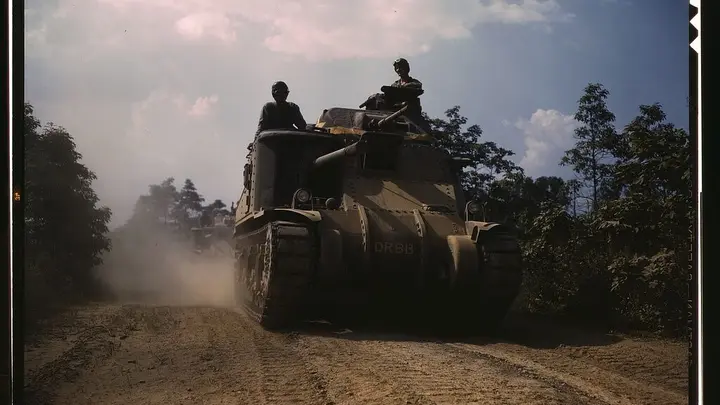
Fort Knox
Fort Knox in Kentucky has been associated with TCE and PCE groundwater contamination, with AFFF-related PFAS also studied.
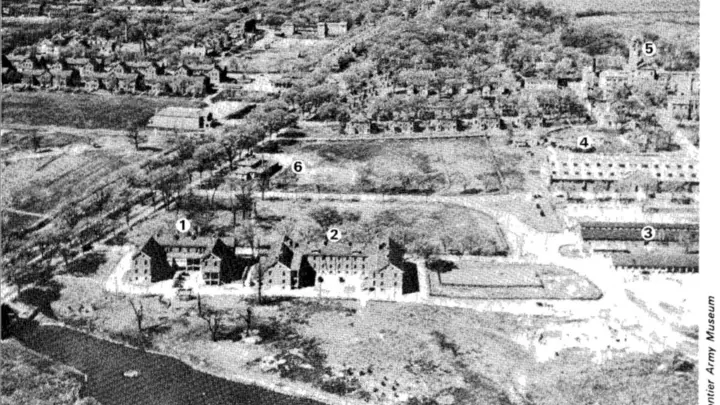
Fort Leavenworth
Fort Leavenworth, an active Army post on the Missouri River in Kansas, has addressed PFAS detected in its drinking water.
Fort McCoy
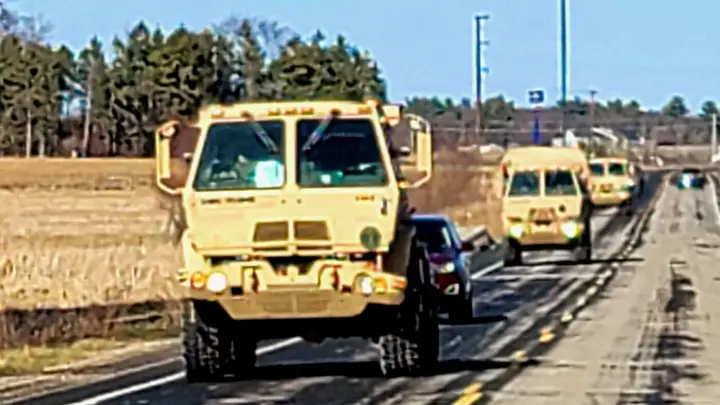
Fort McCoy is an Army training installation in Monroe County, Wisconsin, where AFFF use produced very high PFAS levels.
Fort Novosel
Fort Novosel (formerly Fort Rucker) in Alabama has documented PFAS in groundwater tied to past AFFF firefighting foam use.
Fort Sill
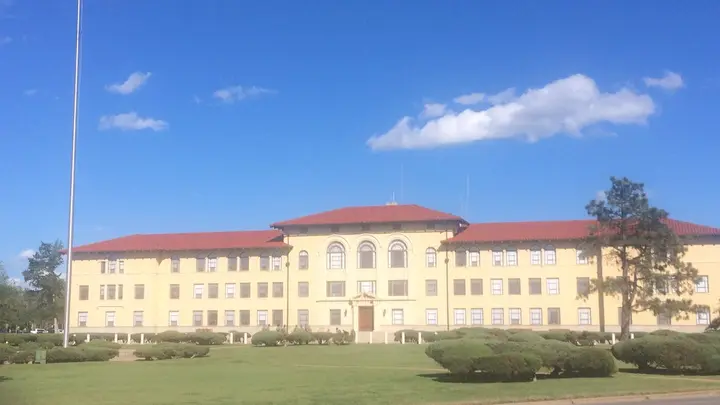
Fort Sill, the Army's field artillery home near Lawton, Oklahoma, faces PFAS concerns tied to firefighting foam.
Fort Stewart and Hunter Army Airfield
Fort Stewart and Hunter Army Airfield in Georgia are priority Army sites for PFAS testing of nearby drinking water.
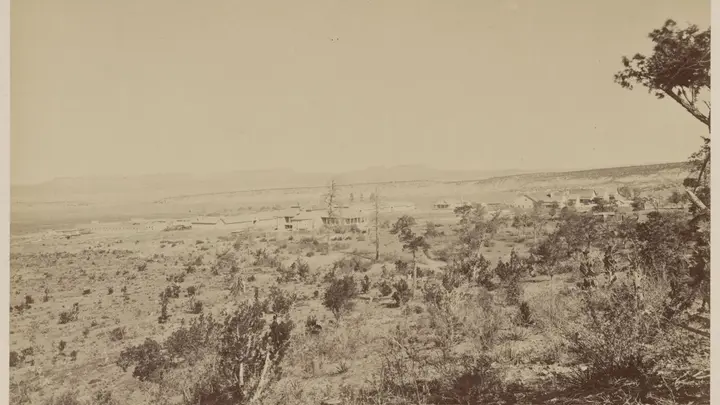
Fort Wingate Depot Activity
Fort Wingate Depot Activity, an inactive Army munitions depot near Gallup, New Mexico, with documented soil and groundwater contamination.
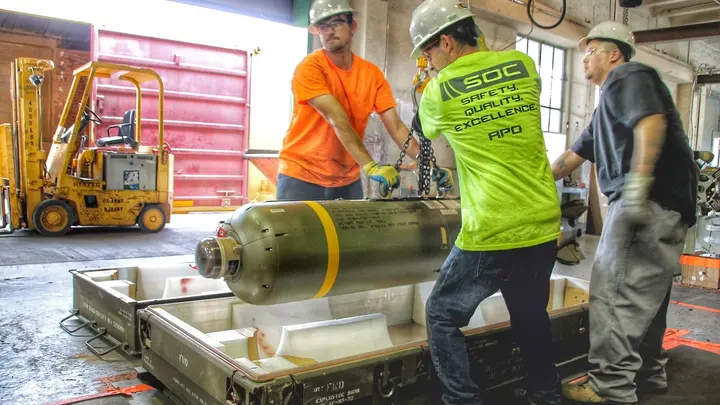
Hawthorne Army Depot
A profile of Hawthorne Army Depot in Nevada, where PFAS, AFFF, and explosives contamination have been documented and investigated.
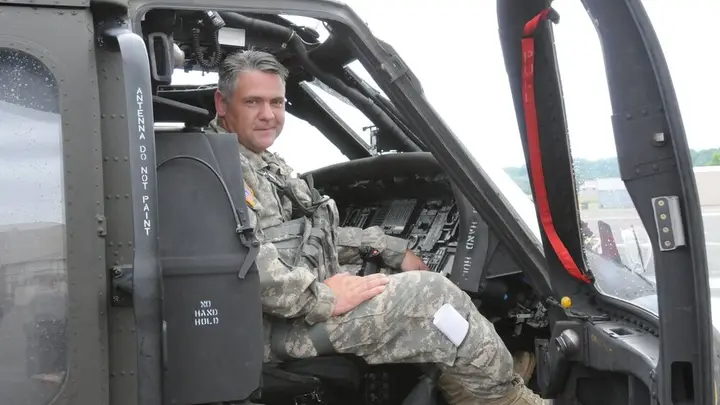
Holman Field Army Aviation Support Facility
Holman Field in St. Paul, a Minnesota Army National Guard aviation site, is among six Minnesota locations the DoD is investigating for PFAS.
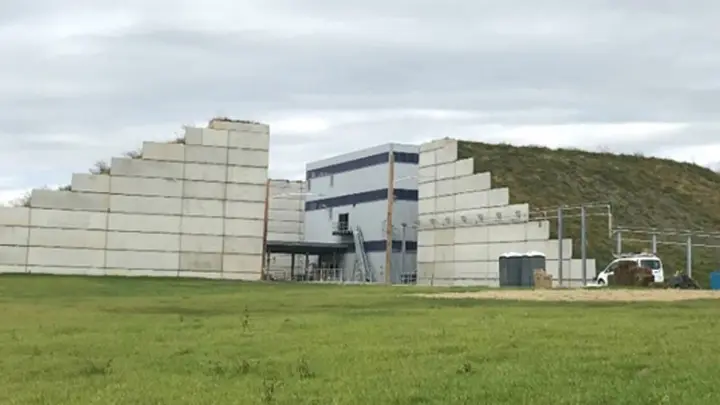
Holston Army Ammunition Plant
A government owned explosives plant in Kingsport, Tennessee where RDX and PFAS contamination concerns have been documented.
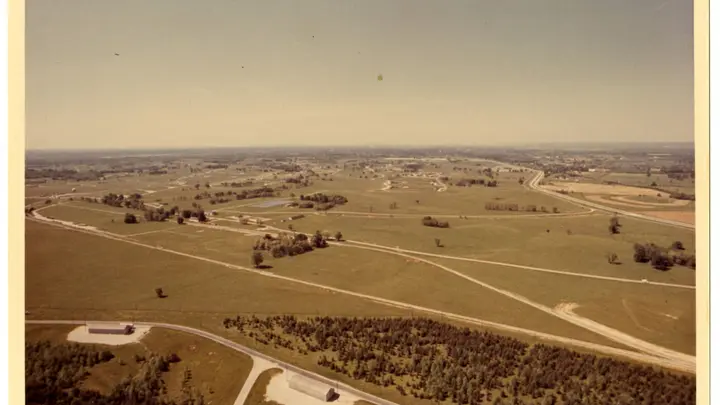
Indiana Army Ammunition Plant
A former Army propellant plant near Charlestown, Indiana, where explosives manufacturing left lasting soil and groundwater contamination.
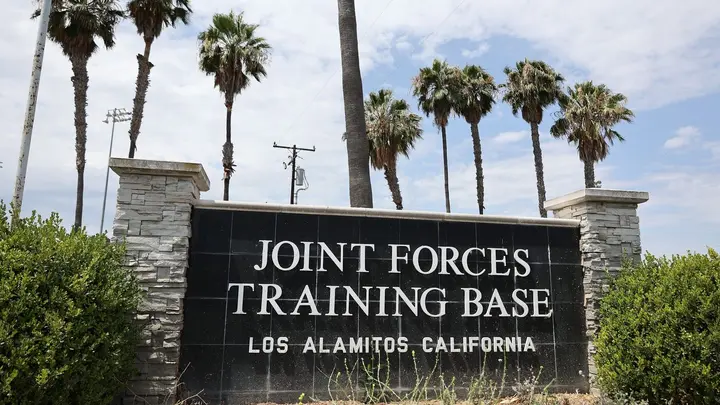
Joint Forces Training Base Los Alamitos
A California National Guard joint training base in Orange County where testing found very high PFAS levels in water.
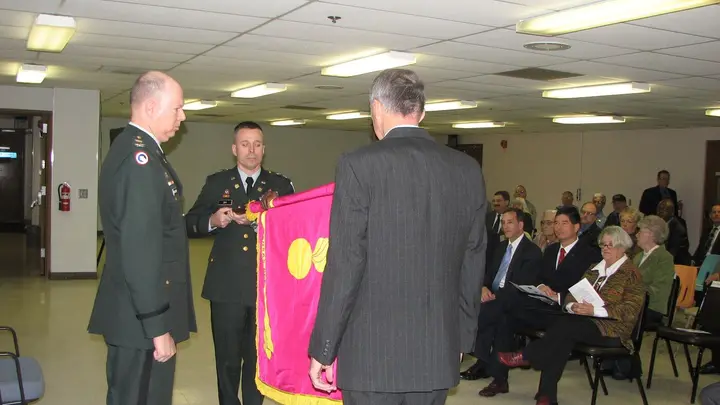
Kansas Army Ammunition Plant
A former Army munitions plant near Parsons, Kansas, where explosives contamination has been addressed under EPA and state oversight.
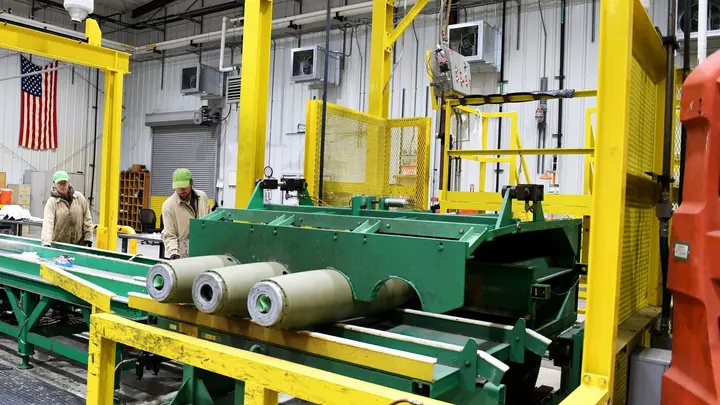
McAlester Army Ammunition Plant
McAlester Army Ammunition Plant in Oklahoma was selected for EPA and Army PFAS well sampling tied to firefighting foam and munitions work.
Newport Chemical Depot
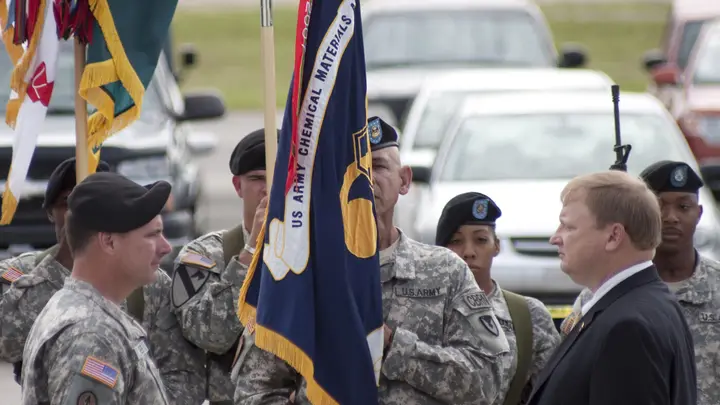
Newport Chemical Depot, a former Army facility near Newport, Indiana, produced explosives and VX nerve agent.
Pine Bluff Arsenal
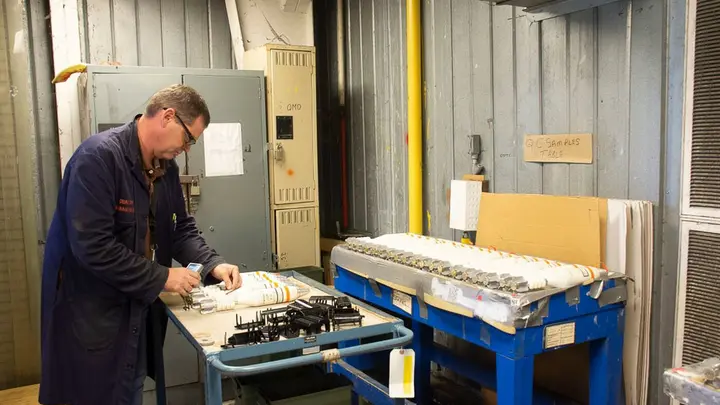
Pine Bluff Arsenal in Arkansas is an active Army chemical and munitions installation now undergoing environmental cleanup.
U.S. Army Pueblo Chemical Depot
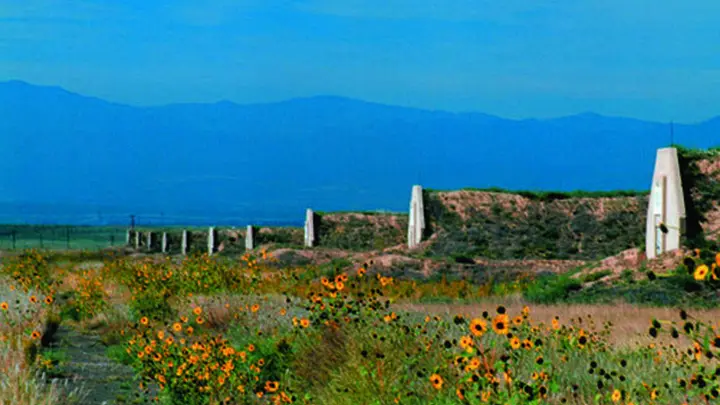
A former U.S. Army chemical-weapons storage depot in Pueblo County, Colorado, with documented contamination concerns and ongoing groundwater cleanup.
Red River Army Depot
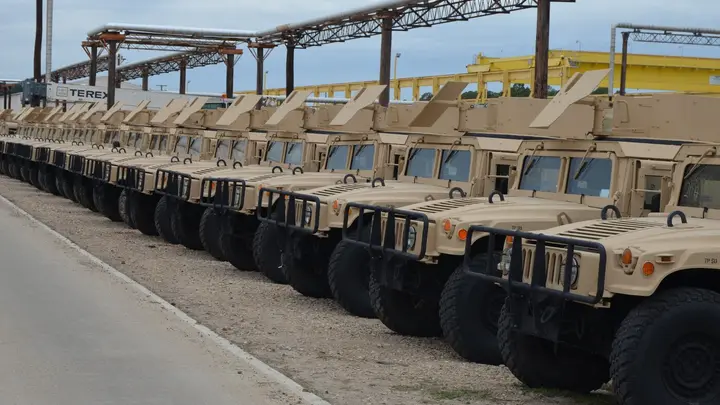
A look at documented solvent, metals, and PFAS contamination concerns at Red River Army Depot in Bowie County, Texas.
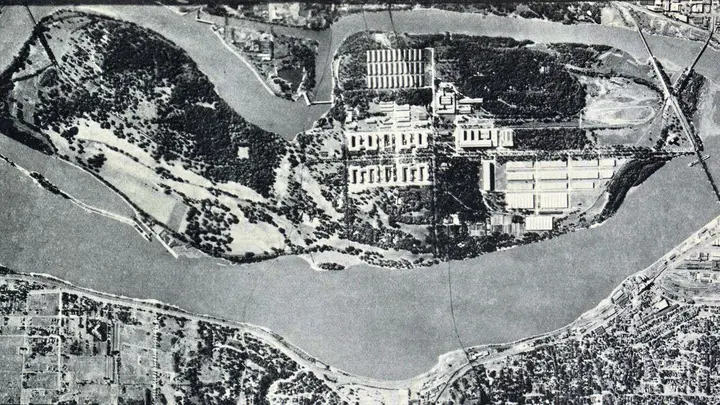
Rock Island Arsenal
A profile of environmental contaminant concerns and ongoing cleanup at Rock Island Arsenal, an Army weapons manufacturing installation in Illinois.
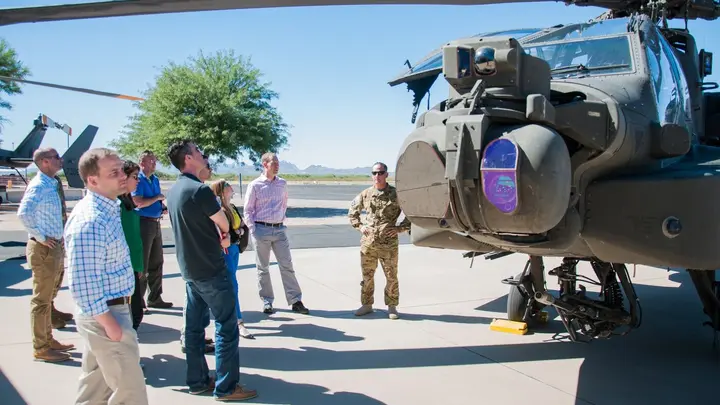
Silverbell Army Heliport
Silverbell Army Heliport near Marana, Arizona, where DoD records documented PFAS in drinking water during 2016 to 2018.
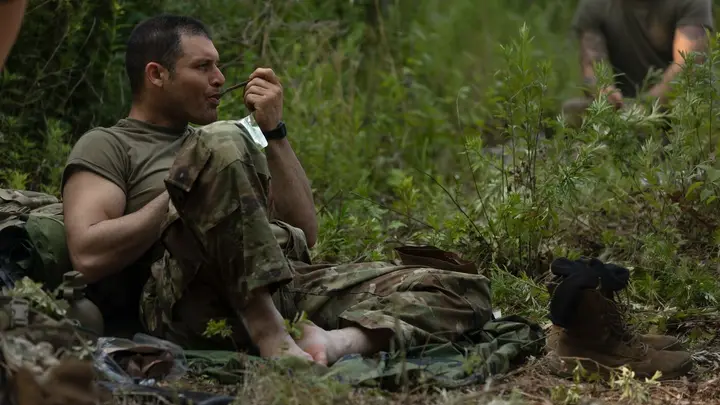
Stones Ranch Military Reservation
Stones Ranch Military Reservation is a Connecticut Army National Guard training site in East Lyme where PFAS was detected in drinking water, raising environmental exposure concerns.
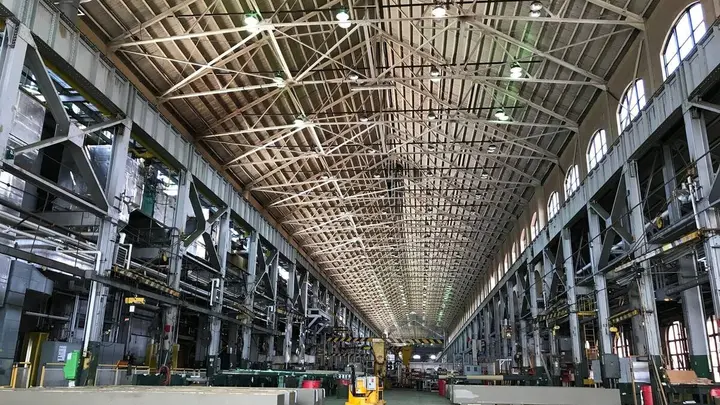
Watervliet Arsenal
A look at documented soil and groundwater contamination at the Army's Watervliet Arsenal in New York and what it may mean for veterans.
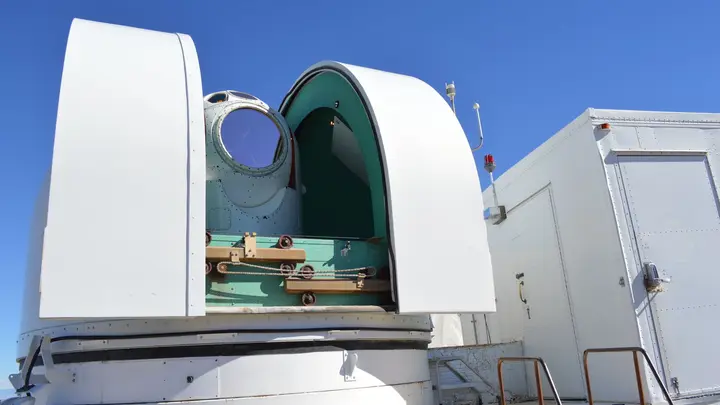
White Sands Missile Range
White Sands Missile Range in New Mexico has faced concerns about PFAS from firefighting foam used on the installation.
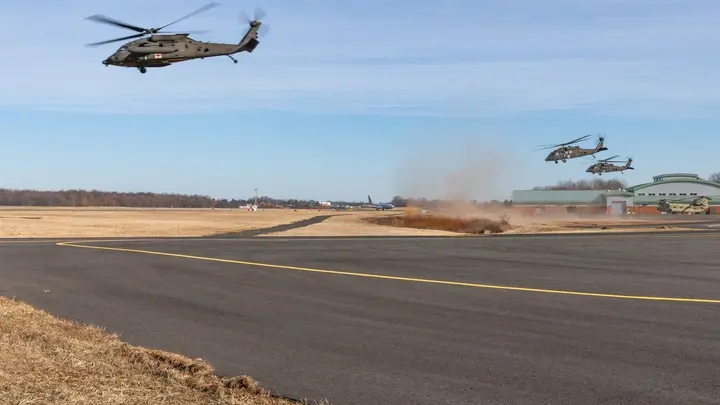
Windsor Locks Army Aviation Support Facility
A Connecticut Army National Guard aviation facility at Windsor Locks where groundwater PFAS levels reached about 4,588 ppt.
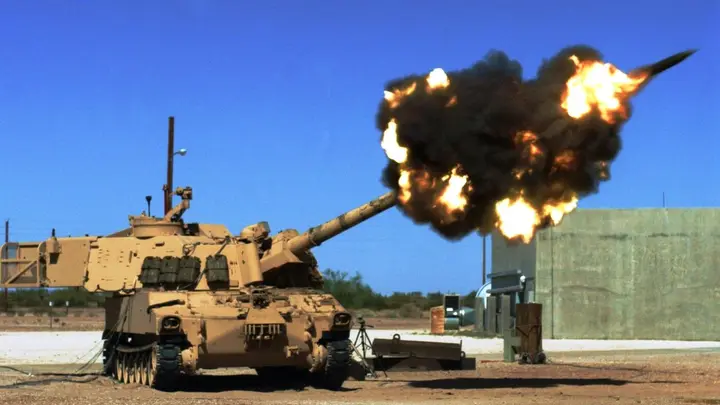
U.S. Army Yuma Proving Ground
Yuma Proving Ground, a major Army weapons and munitions test range in southwestern Arizona, has documented PFAS in its drinking water.
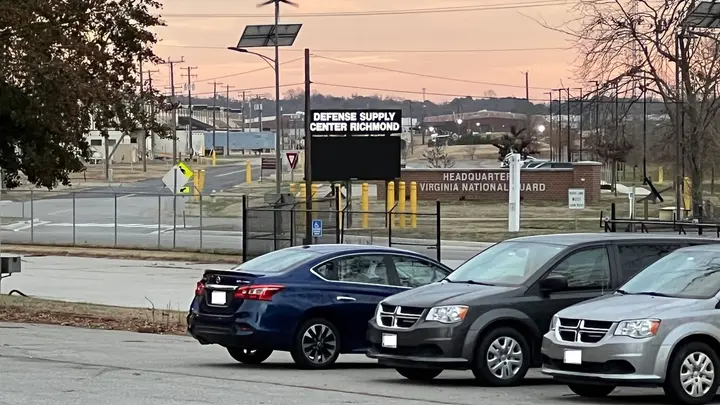
Defense Supply Center Richmond
Defense Supply Center Richmond, a Virginia logistics depot, was listed as a Superfund site in 1987 over soil and groundwater contamination.
Iowa Army Ammunition Plant
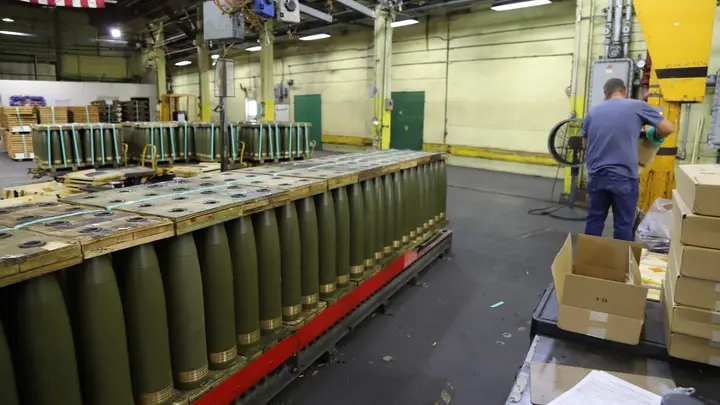
A 19,000 acre Army munitions plant near Middletown, Iowa, listed as a Superfund site in 1990 for explosives, metals, solvents, and depleted uranium.
Joliet Army Ammunition Plant
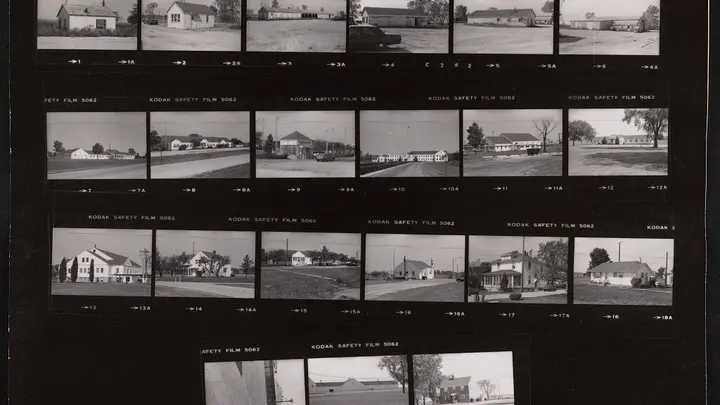
A former Army munitions plant in Will County, Illinois with two NPL Superfund areas tied to explosives, solvents, PCBs and metals.

Lone Star Army Ammunition Plant
A former Army munitions plant near Texarkana, Texas, listed as a federal Superfund site in 1987 for soil contamination and later remediated.
Longhorn Army Ammunition Plant
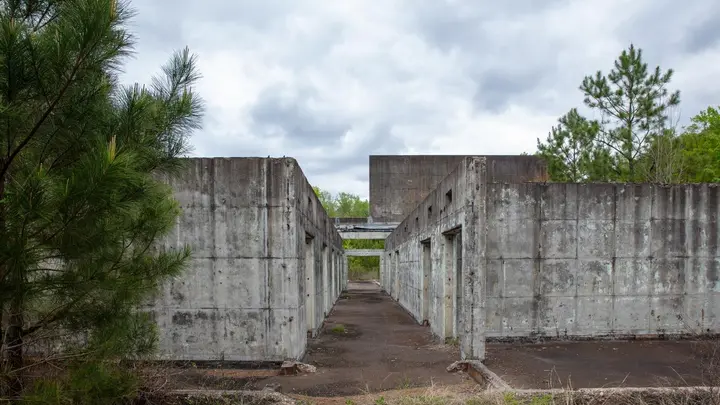
A former Army munitions and rocket-motor plant near Caddo Lake in Karnack, Texas, listed as a Superfund site in 1990.
Louisiana Army Ammunition Plant
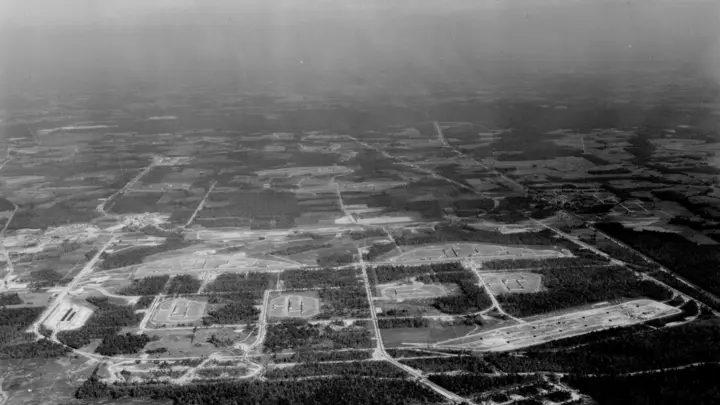
A former Army munitions plant in Webster Parish, Louisiana, listed on the EPA Superfund NPL in 1989 for explosives and solvents in groundwater.

Milan Army Ammunition Plant
Milan Army Ammunition Plant in Tennessee is an EPA Superfund site where soil and groundwater were contaminated with explosives such as TNT and RDX.
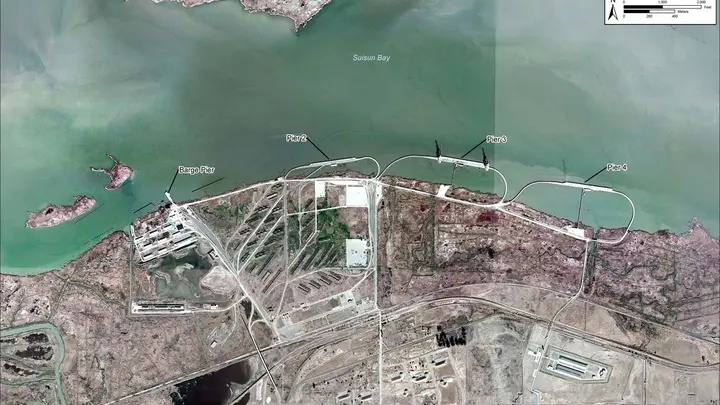
Military Ocean Terminal Concord
A former Navy weapons station now an Army ocean terminal in California, listed as a Superfund site in 1994.
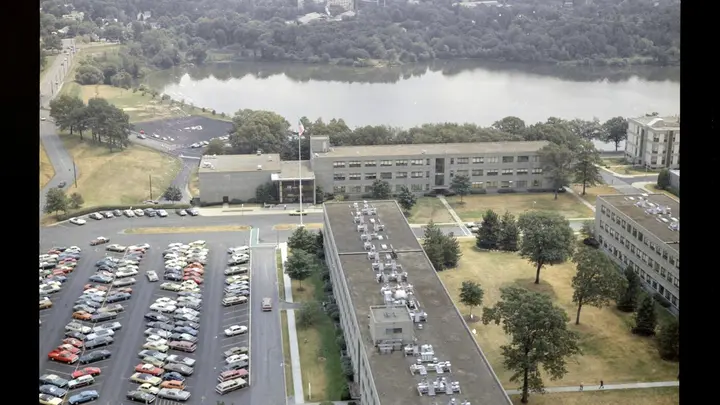
Natick Soldier Systems Center
Natick Soldier Systems Center in Massachusetts is an Army research facility placed on the Superfund National Priorities List in 1994.
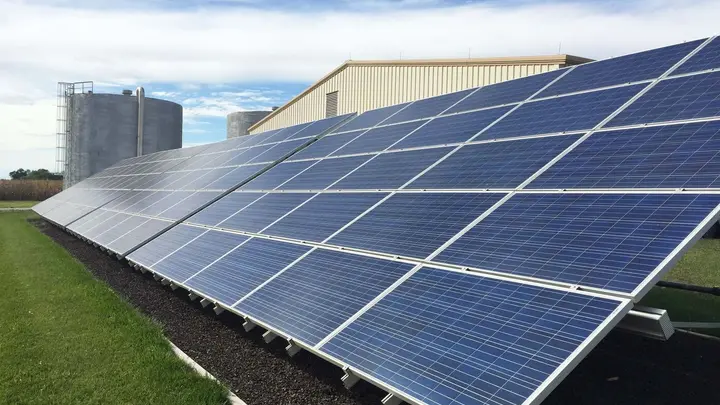
Nebraska Ordnance Plant (Former)
A former Army munitions plant near Mead, Nebraska where wartime explosives and solvent use left RDX and TCE in soil and groundwater.

Riverbank Army Ammunition Plant
A former Army munitions plant near Modesto, California, listed as an EPA Superfund site in 1990, primarily over heavy-metal groundwater contamination.
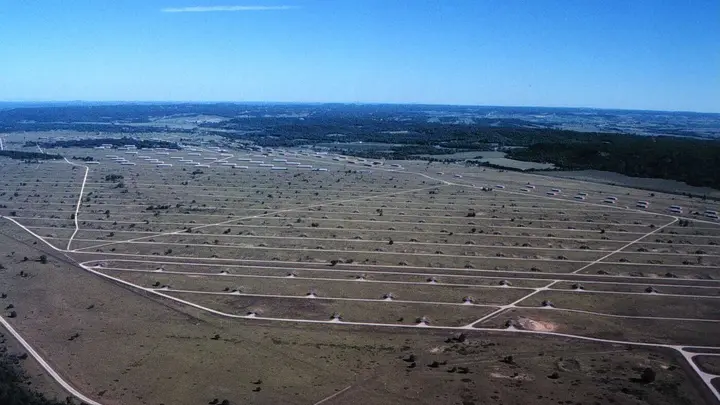
Savanna Army Depot Activity
A former 13,000 acre Army proof, test, and ordnance storage depot in Illinois, listed as a Superfund site in 1989.
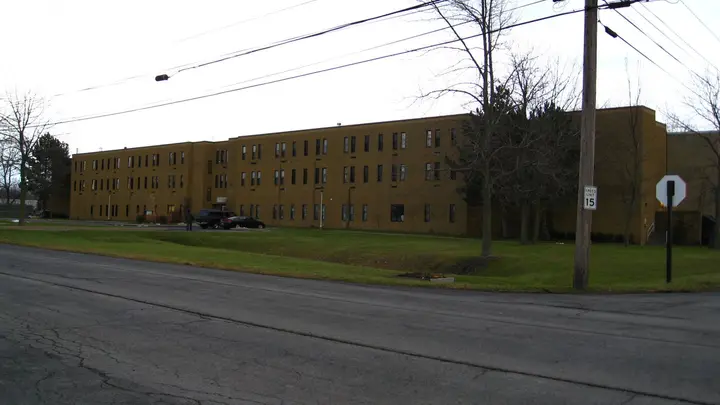
Seneca Army Depot
Seneca Army Depot in Romulus, New York stored and demilitarized munitions for decades, leaving soil and creek sediments contaminated.
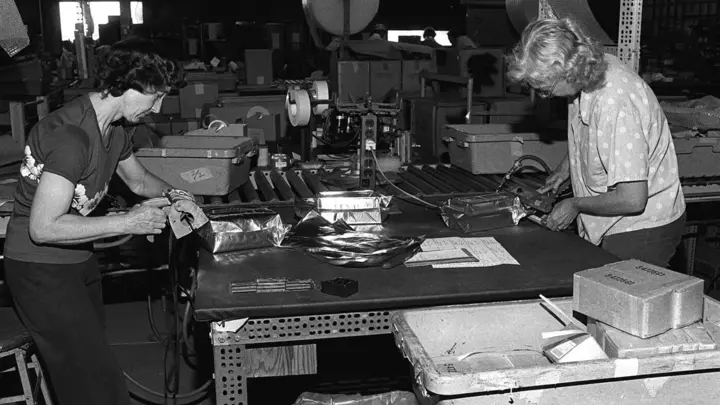
Sharpe Army Depot
Sharpe Army Depot near Lathrop, California is an NPL Superfund site where groundwater was contaminated with TCE and other solvents.
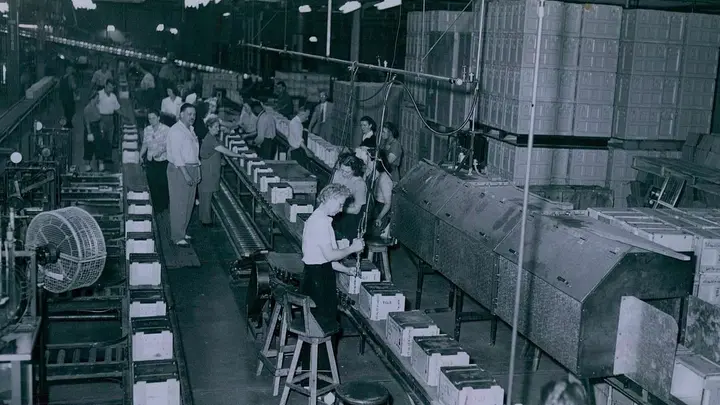
Twin Cities Army Ammunition Plant
A former Army small-arms ammunition plant in Minnesota with documented soil and groundwater contamination concerns.
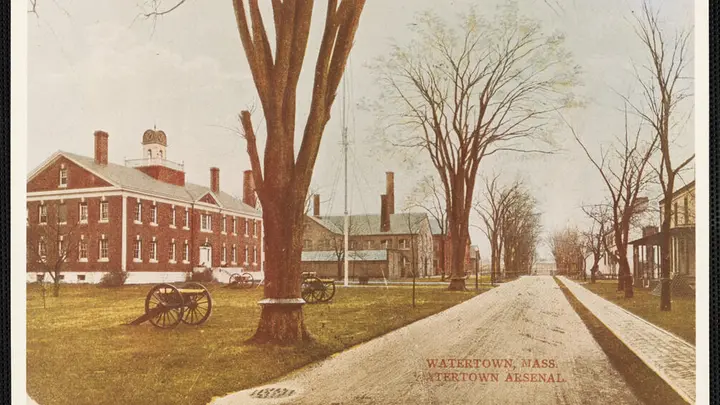
Watertown Arsenal (Army Materials Technology Laboratory)
A former Army arsenal and materials research lab in Watertown, Massachusetts, listed as a Superfund site in 1994 and deleted in 2006.
Weldon Spring Ordnance Works
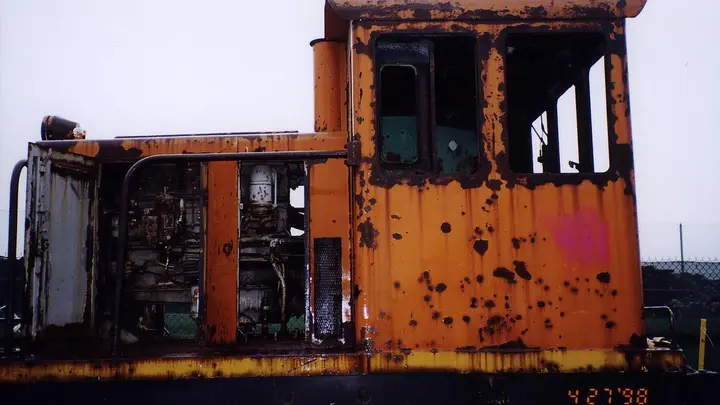
A former WWII Army TNT and DNT plant in St. Charles County, Missouri, with documented explosives, metals, and radioactive contamination.
West Virginia Ordnance Works
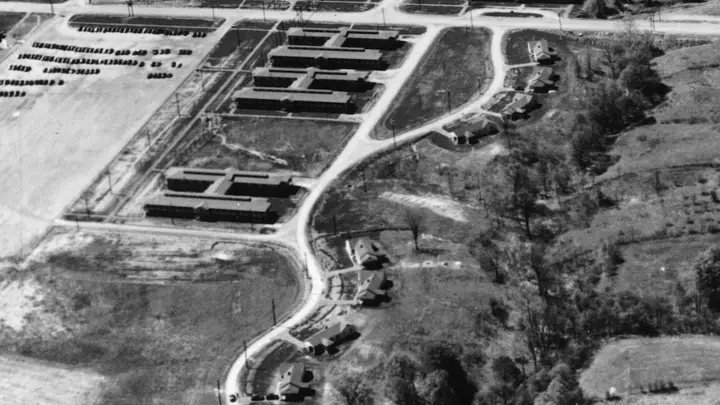
A former WWII Army TNT plant near Point Pleasant, West Virginia, now a Superfund site and wildlife management area.
Fort Belvoir
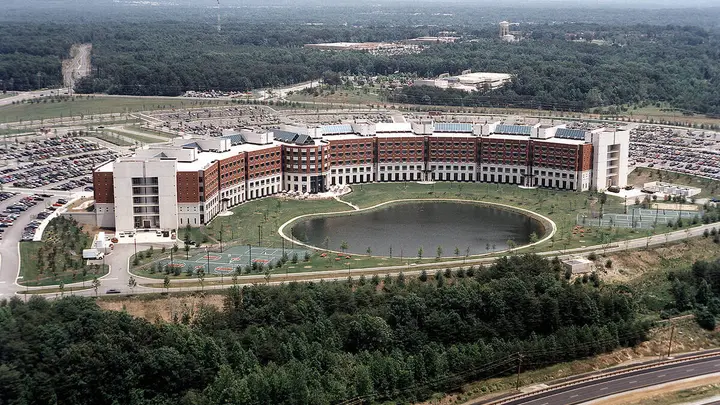
PFAS testing at Fort Belvoir, Virginia found firefighting foam chemicals in soil, groundwater, and the post's drinking water at levels above new EPA limits.
Fort George G. Meade
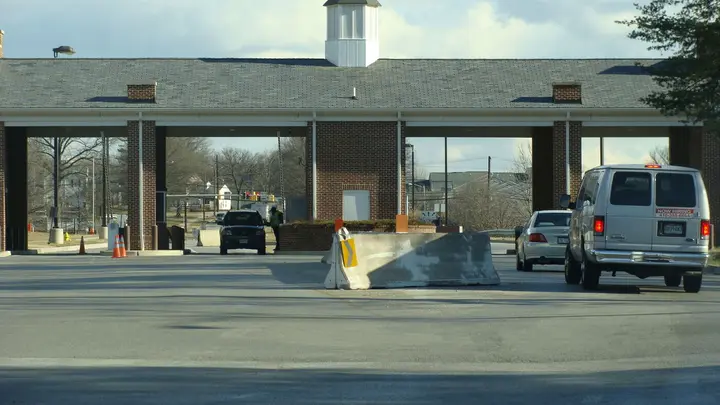
Fort George G. Meade, the Maryland Army post that hosts NSA and U.S. Cyber Command, was added to the EPA Superfund list in 1998 after TCE, solvents, and later PFAS were found in groundwater.
Fort McClellan
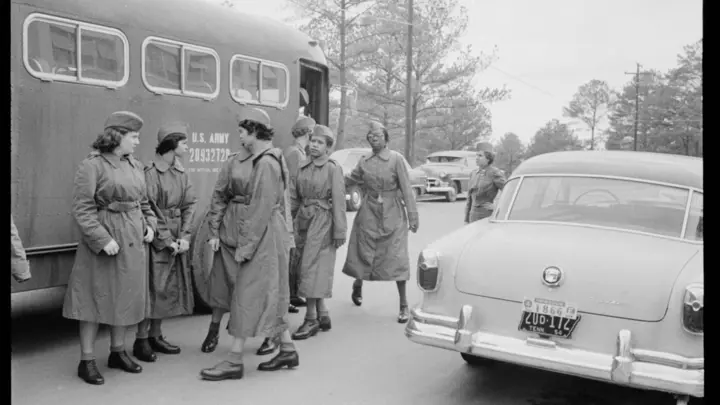
Fort McClellan, the former home of the Army Chemical Corps School in Anniston, Alabama, has been associated with TCE, PCE, PCB, heavy metal, and radiological contamination concerns.
Fort Wainwright
Fort Wainwright, the Army's Arctic post near Fairbanks, Alaska, is a 1990 Superfund site where fuel spills, solvent plumes, and AFFF-related PFAS have been documented in groundwater.
Lake City Army Ammunition Plant
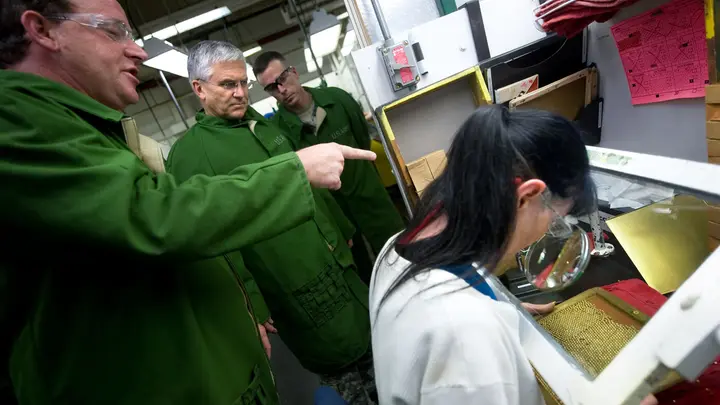
Lake City Army Ammunition Plant in Missouri, a Superfund site since 1987, has documented TCE, solvent, PCB, heavy metal, and asbestos contamination from decades of munitions production.
Tooele Army Depot
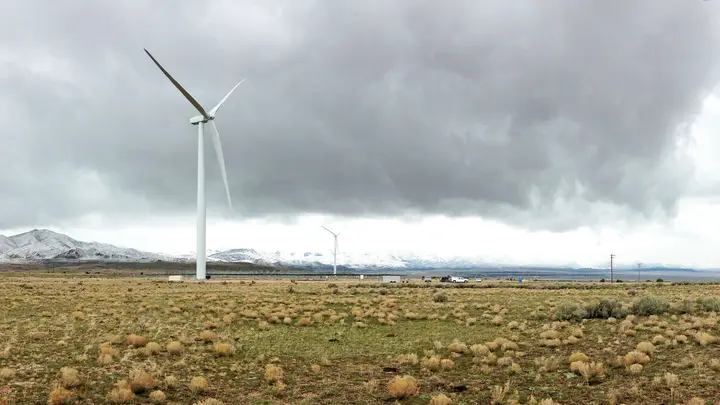
Decades of industrial waste disposal at Tooele Army Depot in Utah created large TCE groundwater plumes, leading to a 1990 Superfund listing and one of the nation's largest groundwater treatment efforts.

Fort Leonard Wood
Fort Leonard Wood, a major Army training post in Missouri, has documented PFAS and chlorinated solvent contamination tied to firefighting foam use and past dry cleaning operations, along with PCB releases.
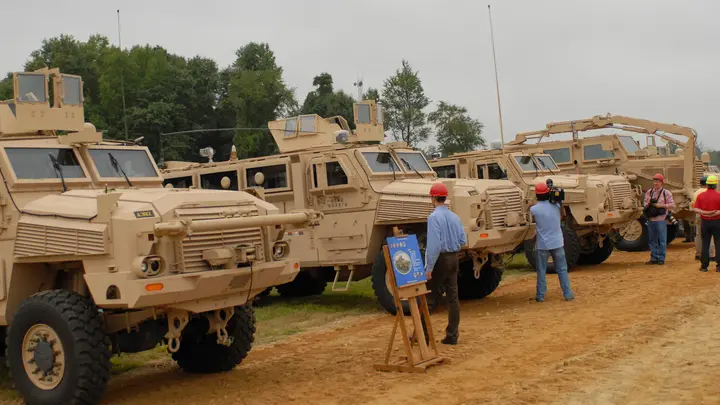
Aberdeen Proving Ground
Aberdeen Proving Ground in Maryland, an Army testing installation since 1917, has documented solvent, heavy metal and chemical agent contamination and includes two EPA Superfund sites.
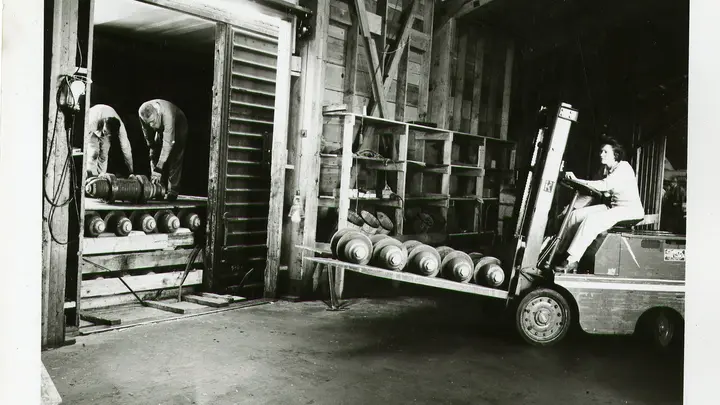
Cornhusker Army Ammunition Plant
Cornhusker Army Ammunition Plant near Grand Island, Nebraska is a Superfund site where explosives and heavy metal contamination of groundwater and soil have raised potential health concerns.
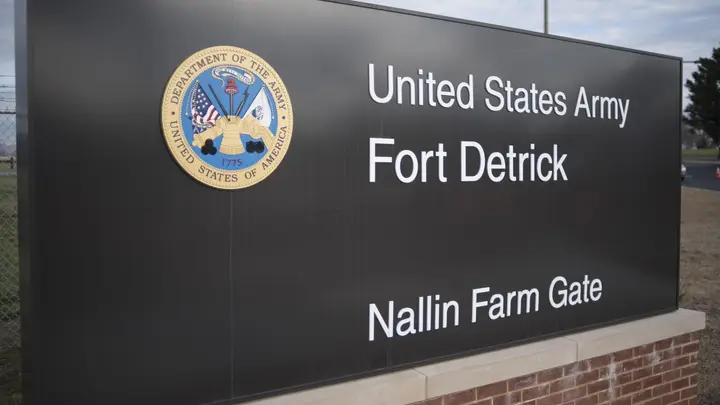
Fort Detrick
Fort Detrick in Frederick, Maryland is home to an EPA Superfund site where TCE and PCE from buried laboratory wastes contaminated groundwater and nearby residential wells.
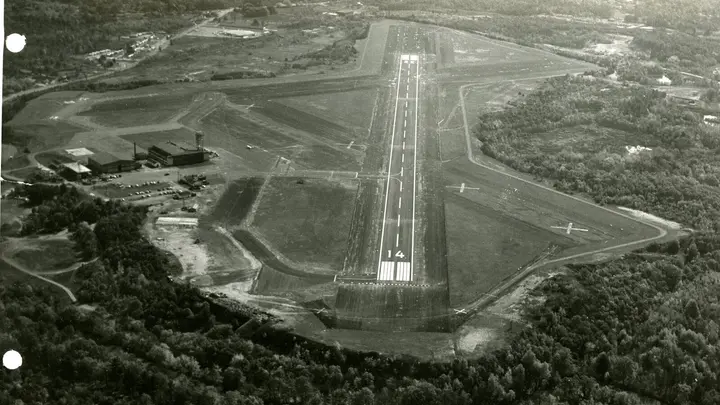
Fort Devens
Fort Devens, a former Army post in Massachusetts listed as a Superfund site in 1989, has documented TCE, benzene, PCB, heavy metal, and PFAS contamination.
Fort Dix (Joint Base McGuire-Dix-Lakehurst)
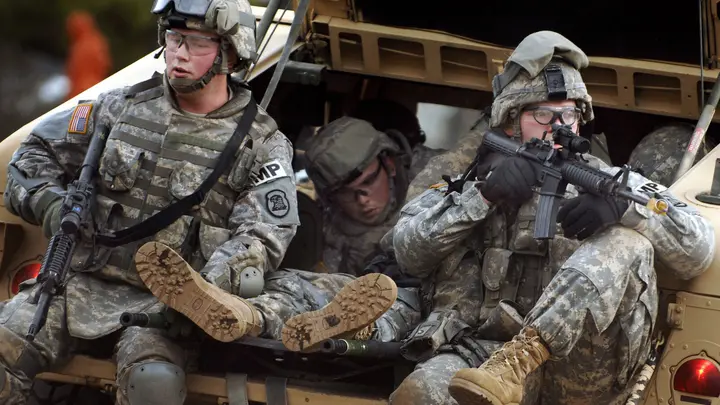
Fort Dix in New Jersey, now part of Joint Base McGuire-Dix-Lakehurst, has a documented Superfund landfill with solvent and metal contamination as well as PFAS linked to firefighting foam.
Fort Riley
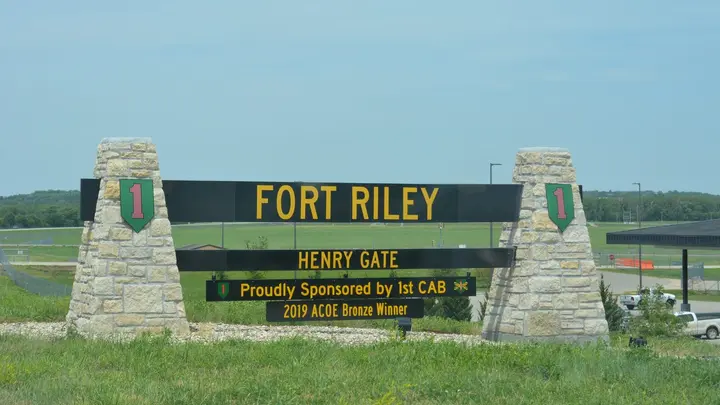
Fort Riley, a longtime Army post in Kansas, was added to the EPA Superfund list in 1990 after TCE, heavy metals, and other contaminants were found, and PFAS has since been detected on post.

Letterkenny Army Depot
Letterkenny Army Depot in Pennsylvania hosts two Superfund sites where solvents such as TCE, along with heavy metals and PCBs, contaminated soil and groundwater, and solvent plumes reached residential wells off post.
Picatinny Arsenal
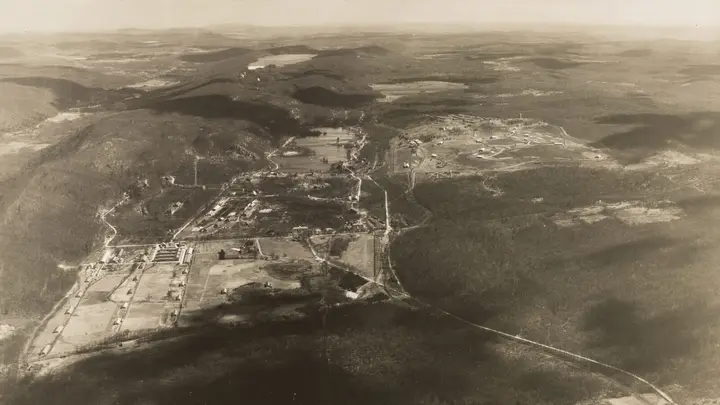
Picatinny Arsenal, a longtime Army munitions and armaments center in Morris County, New Jersey, is an EPA Superfund site with documented heavy metals, solvent, and PFAS contamination.
Redstone Arsenal
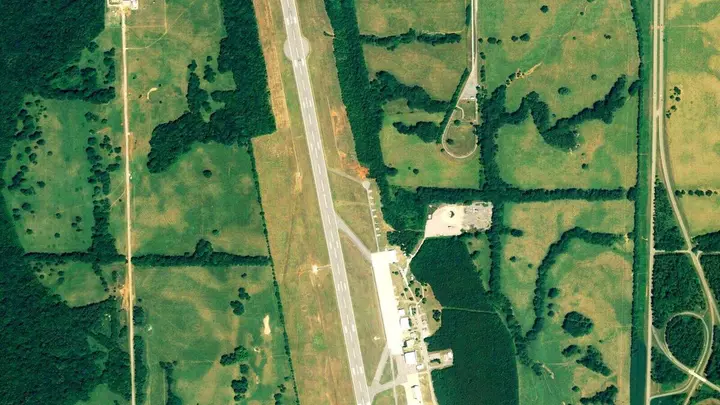
Redstone Arsenal, an Army installation near Huntsville, Alabama, is an EPA Superfund site where TCE, solvents, heavy metals, and PFAS have raised potential exposure concerns.
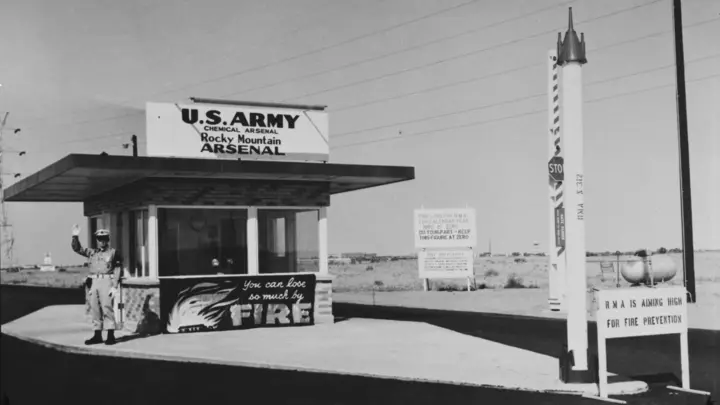
Rocky Mountain Arsenal
Rocky Mountain Arsenal, a former Army chemical weapons and pesticide manufacturing site near Denver, was placed on the EPA Superfund list in 1987 amid concerns about solvents, heavy metals, and pesticide contamination.
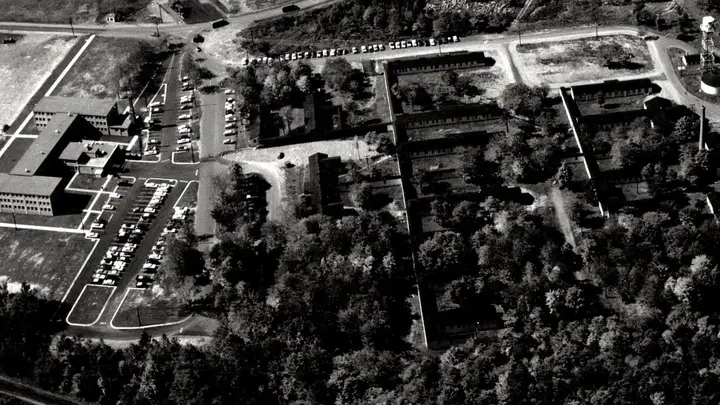
Tobyhanna Army Depot
Tobyhanna Army Depot in Pennsylvania, a Superfund site listed in 1990, has documented solvent and PFAS contamination in groundwater, soils, and sediments.
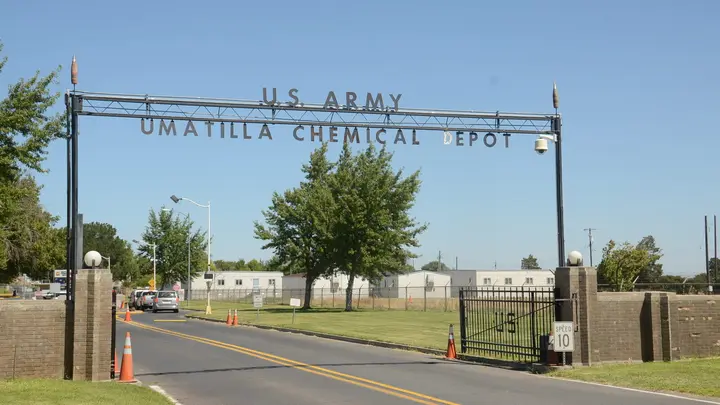
Umatilla Chemical Depot
Years of munitions washout at Umatilla Chemical Depot in Oregon left explosives and heavy metals in soil and groundwater, leading to a Superfund cleanup.
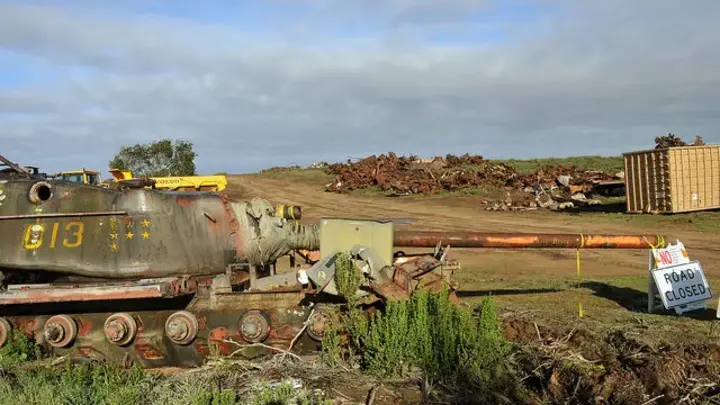
Fort Ord
A former Army training center on Monterey Bay, closed in 1994 and designated a Superfund site for soil and groundwater contamination.
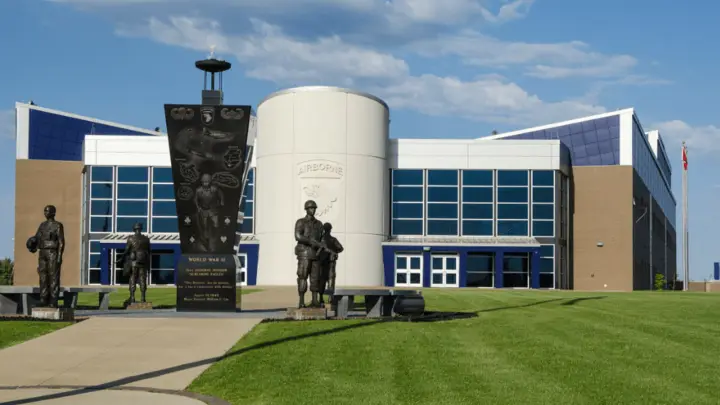
Fort Campbell
Home of the 101st Airborne on the Kentucky-Tennessee border, where firefighting foam and industrial chemicals raised exposure concerns.
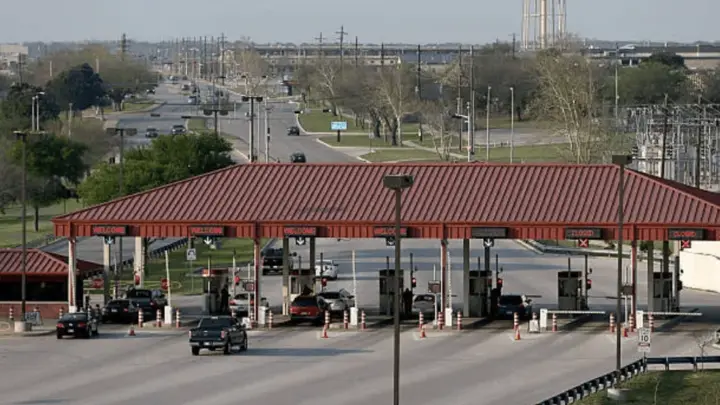
Fort Hood
A major Army training hub in Killeen, Texas, with concerns about PFAS, AFFF, PCBs, and asbestos exposure on base.
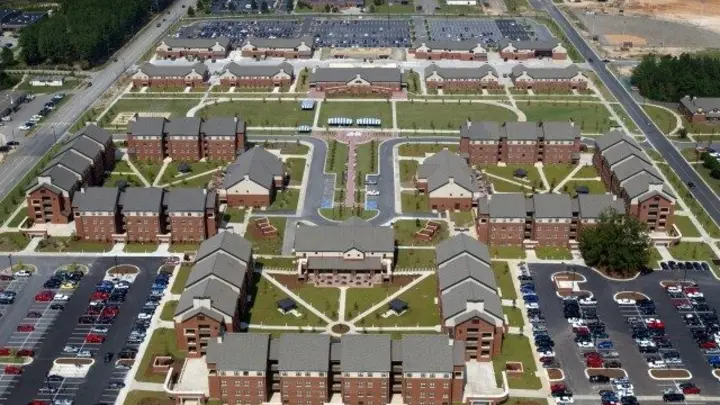
Fort Bragg
One of the world's largest Army installations, with documented concerns about PFAS and other contaminants affecting soldiers and families.

Fort Benning (formerly Fort Moore)
Georgia's infantry and armor training post, Fort Moore from 2023 to 2025, now Fort Benning again, with a history of contamination concerns.
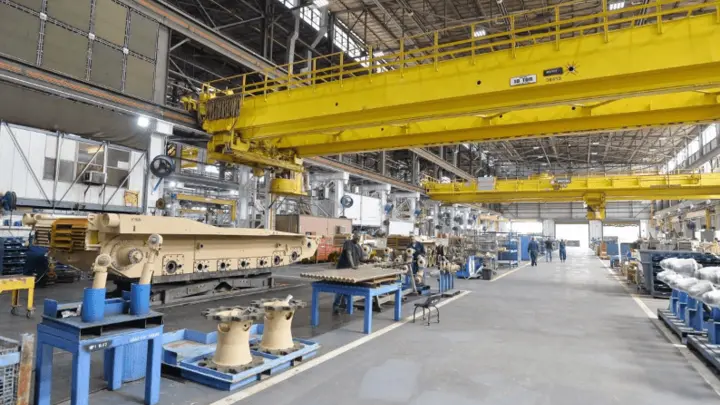
Anniston Army Depot
Anniston Army Depot's Southeast Industrial Area has been a Superfund site since 1989 for TCE, other solvents, and metals in groundwater and soil.
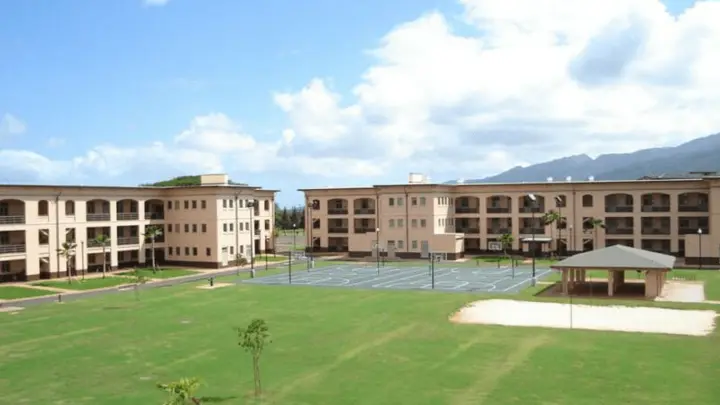
Schofield Barracks
A historic Army post in central Oahu where asbestos, lead paint, and groundwater contaminants have raised health concerns.
Dugway Proving Ground
An Army chemical and biological defense testing installation in Utah's west desert, with documented PFAS groundwater contamination from firefighting foam.
Gopher Ordnance Works (Rosemount)
A former WWII Army smokeless gunpowder plant in Rosemount, Minnesota now being investigated and cleaned up as UMore Park.
North Penn US Army Reserve Center
A former Nike missile site in Montgomery County, Pennsylvania identified among Army facilities with PFAS concerns.
St. Louis Army Ammunition Plant
A former Army ammunition plant on Goodfellow Boulevard in St. Louis where explosive residues, heavy metals, and PCBs have been documented.
Sunflower Army Ammunition Plant
A former Army propellant plant near De Soto, Kansas, where soil and groundwater contamination is being addressed under a long-running KDHE-overseen cleanup.
Tyson Valley Powder Farm
A former Army ordnance storage and testing site near Eureka, Missouri, now a Formerly Used Defense Site under investigation.
Yakima Training Center
An Army training range in central Washington where PFAS firefighting foam has been associated with groundwater and well contamination.
Alabama Army Ammunition Plant
A former World War II explosives plant near Childersburg, Alabama, listed on the EPA Superfund National Priorities List in 1987.
Sacramento Army Depot
Sacramento Army Depot was a California electronics repair installation later listed as an EPA Superfund site for solvent and metal contamination.
Tomah Armory (Wisconsin Army National Guard)
A Wisconsin Army National Guard armory built on a former Tomah city landfill where lead contaminated soil and groundwater.