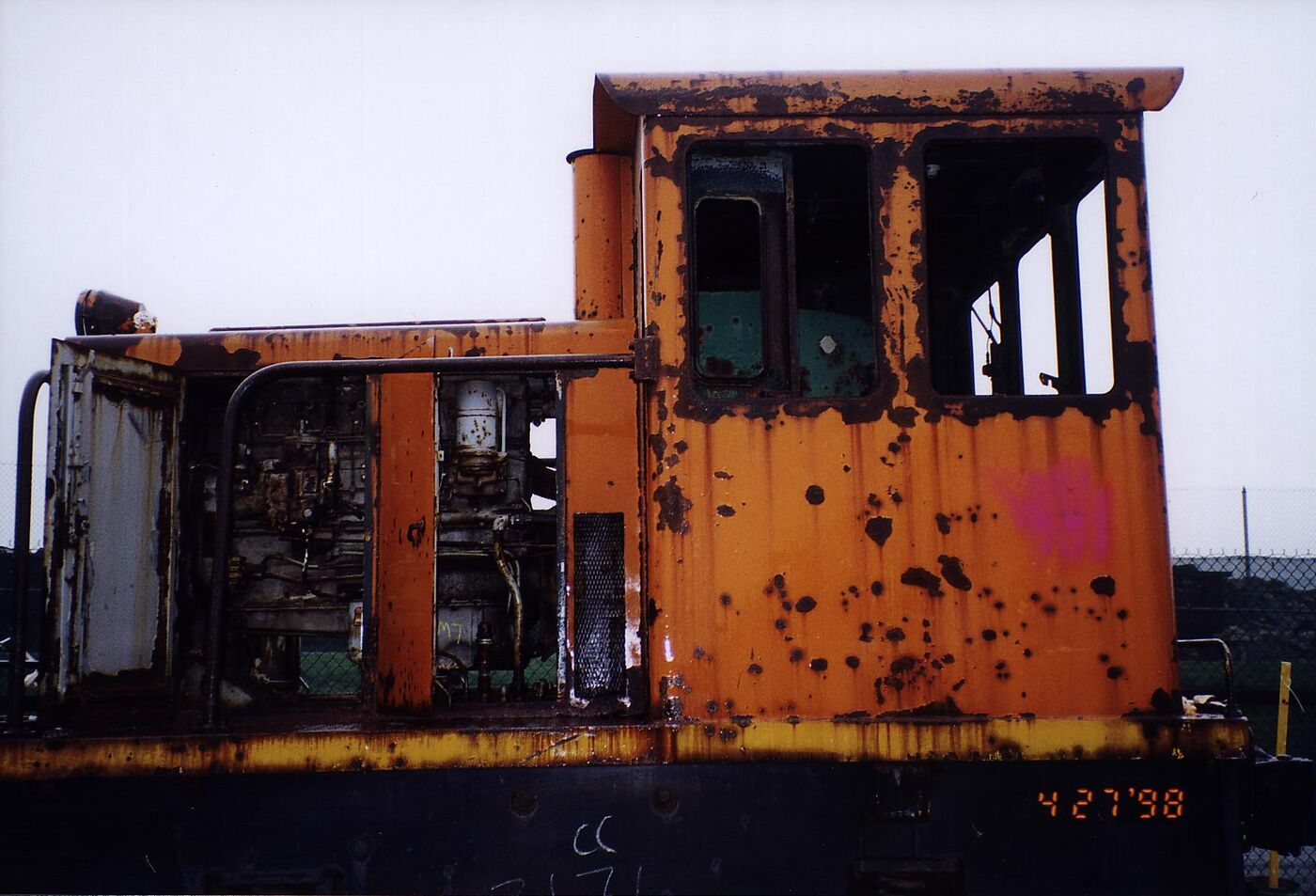
Weldon Spring Ordnance Works
The Weldon Spring Ordnance Works was a U.S. Army munitions manufacturing complex in St. Charles County, Missouri, near the community of Weldon Spring. The Army acquired the property in 1940 and began constructing manufacturing plants in May 1941, eventually building 18 trinitrotoluene (TNT) plants and 2 dinitrotoluene (DNT) plants to support World War II. During its operating years from 1941 to 1945, it was among the largest explosives production facilities in the country, and it is reported to have manufactured over 750 million pounds of explosives before deactivation. After the war, portions of the land changed hands, and an adjacent quarry, plant, and pits area was later used by the Atomic Energy Commission and the Department of Energy to process and dispose of uranium and thorium ore residues.
Because of the explosives manufacturing and the later handling of ore residues, soil, surface water, and groundwater at and around the site have been associated with a range of contaminants. These have prompted ongoing concerns about potential exposure for people who lived, worked, or trained in the area over the decades.
- Explosives (TNT and DNT): Trinitrotoluene and dinitrotoluene are nitroaromatic compounds used to make military munitions. At Weldon Spring, these and related nitroaromatic compounds were produced in large volumes and have been documented in site soils and groundwater, along with nitrobenzene in groundwater. Exposure to nitroaromatic explosives residues has been associated in some studies with effects on blood and other organ systems, and the contamination here has raised concerns about potential exposure through soil and water.
- Heavy metals: Lead and other heavy metals were present in soils connected to the manufacturing and disposal operations. Lead-contaminated soil was specifically identified as a contaminant requiring treatment at the site. Concerns about potential exposure to lead and similar metals relate to their reported associations with effects on the nervous system, kidneys, and other organs.
- Radiation (uranium, thorium, and radium): The adjacent quarry, plant, and pits area handled uranium and thorium ore concentrates and received building rubble and soils containing uranium and radium. Radiological contaminants identified in the broader Weldon Spring area have included radium, thorium, and uranium, with reports that rainwater carried radioactive material into nearby streams and lakes. Exposure to radioactive materials has been associated with increased long-term health concerns, and this contamination has been a focus of state and federal monitoring.
- Polychlorinated biphenyls: PCBs were among the contaminants identified in soil at the site. These manmade chemicals were once widely used in industrial and electrical equipment and are persistent in the environment. Concerns about potential exposure to PCBs relate to their reported associations with a variety of health effects observed in scientific studies.
The Weldon Spring Former Army Ordnance Works was added to the EPA National Priorities List on February 21, 1990, making it a Superfund site. Remedial action included excavation and treatment of contaminated pipelines and soils and treatment of lead-contaminated soil, and a Remedial Action Completion Report was approved in 2004, with construction completion recorded in 2005. The Missouri Department of Natural Resources, the Department of Energy, and federal agencies have continued long-term monitoring of conditions in the surrounding area.
Veterans and others who served, worked, or trained at Weldon Spring may wish to stay informed as federal and state agencies continue to review conditions at the site. Anyone with questions about possible exposure and their health is encouraged to speak with the U.S. Department of Veterans Affairs, which can provide guidance on benefits, screening, and available resources.
Were you stationed at a contaminated site?
The PACT Act of 2022 added more than 20 presumptive conditions for toxic exposure, including many cancers, and there is no deadline to file a VA claim.
This page is for informational purposes only and is not medical or legal advice. Consult a qualified professional about your health or benefits.
Discussion
No approved comments yet.