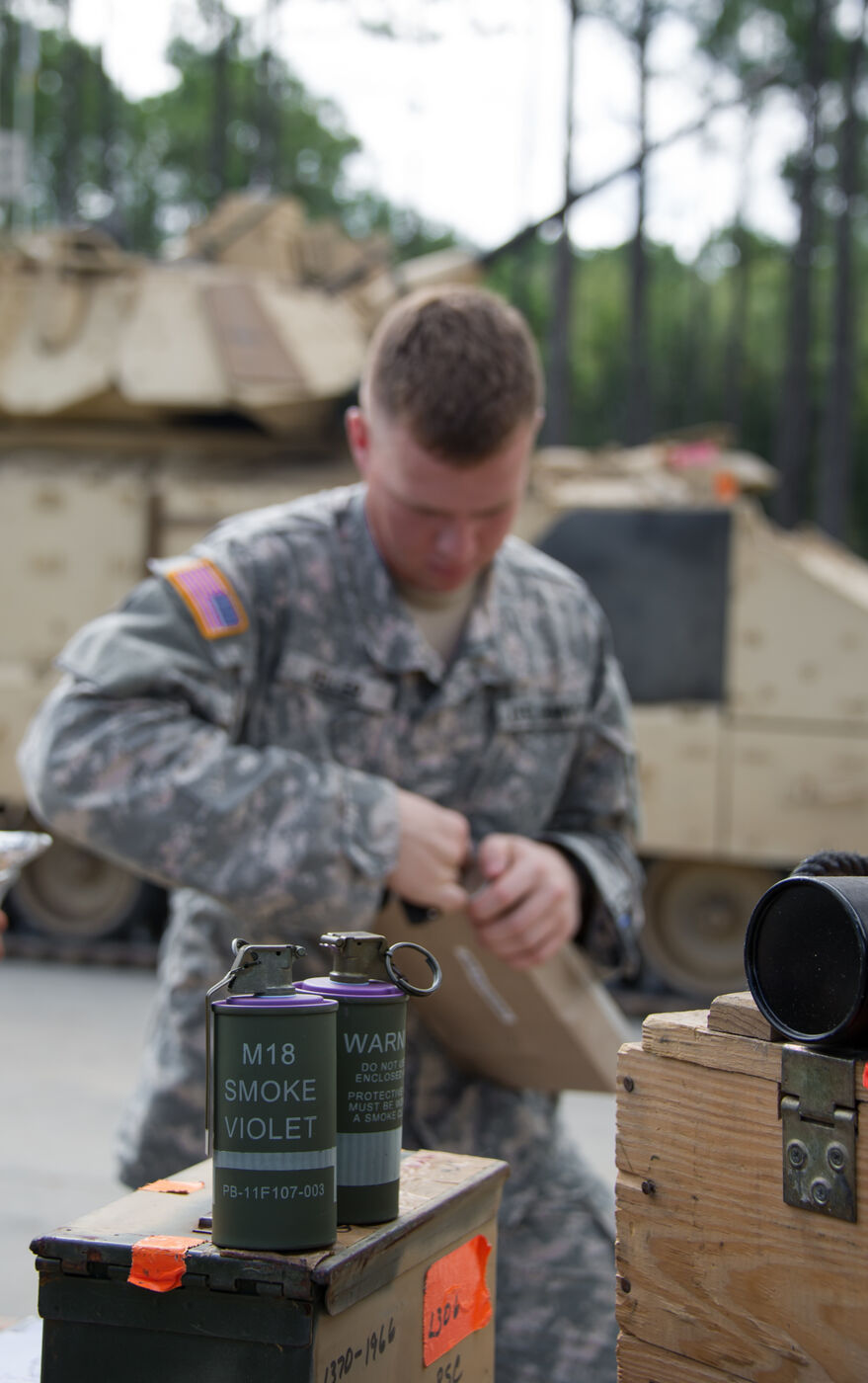
Fort Stewart and Hunter Army Airfield
Fort Stewart is a U.S. Army installation near Hinesville, Georgia, and is widely described as the largest Army installation east of the Mississippi River by land area. It began as Camp Stewart in 1940 as an antiaircraft artillery training center during the World War II buildup and was named for Brigadier General Daniel Stewart. Today it serves as the home of the 3rd Infantry Division, one of the Army's most frequently deployed divisions. Hunter Army Airfield, located roughly 45 miles away in Savannah, is a subordinate installation to Fort Stewart. Hunter traces its origins to a municipal airport that opened in 1929, later became Savannah Army Air Base in 1941, and came under Army control in 1967, and it now supports the deployment of soldiers and cargo for the 3rd Infantry Division.
Like many long-active military airfields and training posts, Fort Stewart and Hunter Army Airfield have been associated with concerns about potential exposure to per- and polyfluoroalkyl substances, a family of chemicals tied to firefighting operations. In 2024 the U.S. Environmental Protection Agency and the U.S. Army announced a joint sampling project, and the Army's list of nine priority installations included Fort Stewart as well as a separate entry for Fort Stewart with Hunter Army Airfield, both in Georgia, for testing of nearby drinking water.
- PFAS (per- and polyfluoroalkyl substances) are a large group of synthetic chemicals valued for their resistance to heat, water, and grease. At Fort Stewart and Hunter Army Airfield, PFAS concerns are linked to historical firefighting activities, and the installations were identified for sampling of nearby groundwater and private drinking water wells. PFAS exposure has been associated in some studies with a range of potential health concerns, and federal agencies continue to study these effects.
- PFOS (perfluorooctane sulfonate) is one specific PFAS compound that was a primary ingredient in older firefighting foams. It is among the substances of interest in the testing underway near these Army sites. PFOS has been the subject of ongoing federal review regarding its potential health effects.
- PFOA (perfluorooctanoic acid) is another individual PFAS chemical historically found in firefighting foam formulations. It is included among the compounds for which the EPA has established national drinking water limits and is part of the contaminants assessed in the sampling effort. PFOA has been associated in research with concerns about potential long-term exposure.
- AFFF (aqueous film-forming foam) is a firefighting foam that was used for decades on military installations to suppress fuel fires and during training. AFFF historically contained high concentrations of PFAS such as PFOS and PFOA, and its past use is the principal reason these chemicals are a focus of the assessment at Fort Stewart and Hunter Army Airfield. Concerns about potential exposure relate to how AFFF residues can migrate into soil and groundwater.
Neither Fort Stewart nor Hunter Army Airfield is listed on the National Priorities List as a federal Superfund site for these PFAS concerns. Instead, the response is being carried out through the joint EPA and U.S. Army sampling project announced in 2024, which is testing drinking water near the installations to determine whether PFAS levels exceed EPA's national maximum contaminant levels. Testing and assessment remain underway, and additional steps would depend on the results.
Veterans, family members, and others who lived or worked at Fort Stewart or Hunter Army Airfield and who have questions about possible exposure may wish to stay informed as testing continues and to discuss any health concerns with the U.S. Department of Veterans Affairs or a personal physician. The VA can provide current guidance on benefits and screening related to environmental exposures.
Were you stationed at a contaminated site?
The PACT Act of 2022 added more than 20 presumptive conditions for toxic exposure, including many cancers, and there is no deadline to file a VA claim.
This page is for informational purposes only and is not medical or legal advice. Consult a qualified professional about your health or benefits.
Discussion
No approved comments yet.