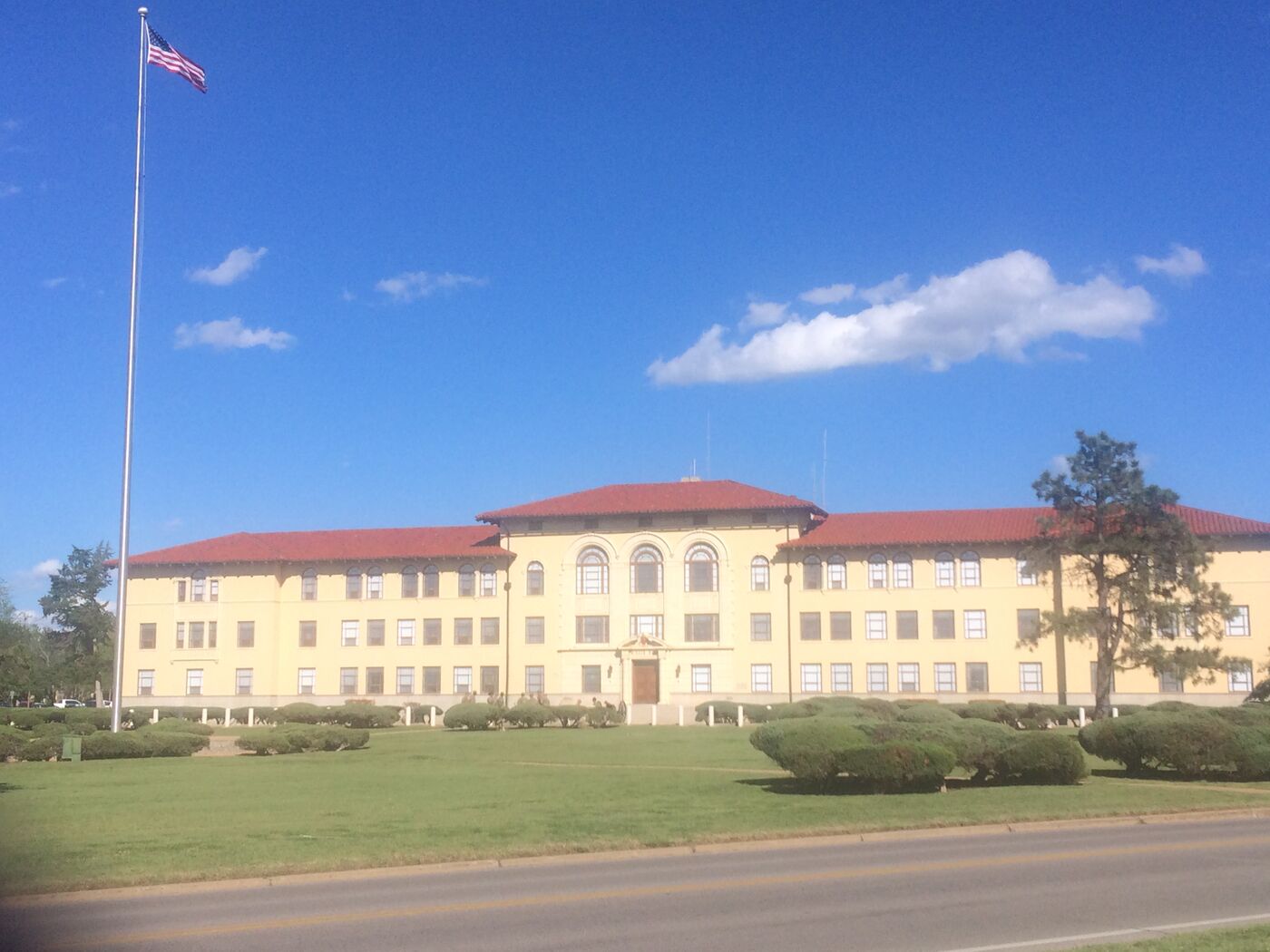
Fort Sill
Fort Sill is an active United States Army installation located just north of Lawton, in southwestern Oklahoma. The post was established in 1869 during operations on the Southern Plains and grew from a frontier cavalry station into one of the Army's most significant training centers. Covering roughly 94,000 acres, it is long known as the home of the U.S. Army Field Artillery and hosts the Field Artillery School. Today it serves as one of the Army's Basic Combat Training locations and provides instruction in field artillery, air defense artillery, and related fields. Generations of soldiers have passed through its training grounds since the nineteenth century.
As with many long-operating military installations, Fort Sill has been the subject of concerns about potential environmental exposure, particularly relating to chemicals used in firefighting operations. An Army preliminary assessment identified multiple locations on the installation where releases of certain compounds occurred or are suspected to have occurred. These findings have prompted further study and outreach to nearby residents who rely on private water wells.
- AFFF (Aqueous Film-Forming Foam): AFFF is a fire suppressant developed in the mid twentieth century to combat fuel-based fires. At Fort Sill, AFFF was used during firefighter training activities, reportedly up until 2016. Because the foam contains fluorinated compounds that persist in soil and groundwater, its past use has been associated with concerns about contamination of water resources near the installation.
- PFAS (Per- and Polyfluoroalkyl Substances): PFAS are a large family of synthetic chemicals often referred to as "forever chemicals" because they break down very slowly in the environment. At Fort Sill, PFAS are linked to the historical use of AFFF, and the Army identified several sites of suspected or known release. Exposure to certain PFAS has been associated in some studies with a range of potential health effects, prompting ongoing investigation.
- PFOS (Perfluorooctane Sulfonate): PFOS is a specific PFAS compound that was a common component of older AFFF formulations. It is among the substances of interest in the sampling of groundwater and private wells in the Fort Sill area, where concerns about potential exposure through drinking water have been raised.
- PFOA (Perfluorooctanoic Acid): PFOA is another individual PFAS compound associated with firefighting foam and industrial uses. Like PFOS, it is included among the chemicals evaluated in testing connected to Fort Sill, and its presence in water supplies has been the subject of careful study by federal and state agencies.
Fort Sill is not listed on the National Priorities List as a federal Superfund site. In July 2024, the U.S. Environmental Protection Agency and the Army announced a pilot program to sample private drinking water wells near the installation for PFAS, identifying Fort Sill among a small number of installations prioritized for early testing. The Army has conducted preliminary assessments and site work under the Department of Defense environmental program, and federal officials have indicated they would coordinate with the Oklahoma Department of Environmental Quality to address any contamination found.
Veterans, family members, and others who lived or worked at Fort Sill may wish to stay informed as testing and assessment efforts continue. Those with questions about potential exposure are encouraged to speak with the U.S. Department of Veterans Affairs about available health resources and benefits, and to follow official updates from the Army and the EPA as more information becomes available.
Were you stationed at a contaminated site?
The PACT Act of 2022 added more than 20 presumptive conditions for toxic exposure, including many cancers, and there is no deadline to file a VA claim.
This page is for informational purposes only and is not medical or legal advice. Consult a qualified professional about your health or benefits.
Discussion
No approved comments yet.