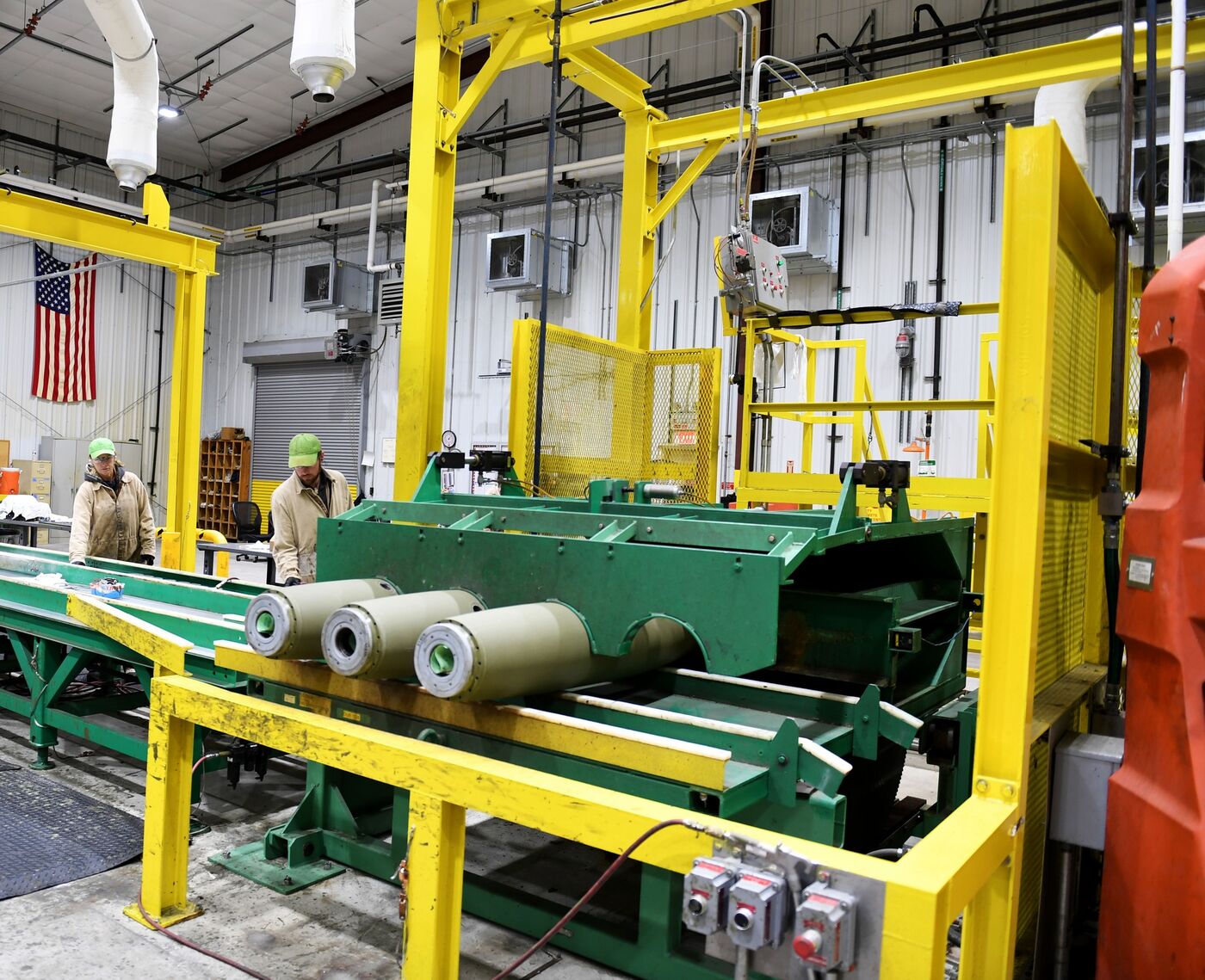
McAlester Army Ammunition Plant
McAlester Army Ammunition Plant (MCAAP) is a major conventional munitions installation in southeastern Oklahoma, near the city of McAlester. The facility was established in 1943, originally as a Navy ammunition depot, with the first munitions produced that September. It came under Army control and became part of the Single Manager for Conventional Ammunition program in 1977. Today the plant produces, stores, renovates, and demilitarizes conventional ammunition for the Department of Defense, and it is one of the largest munitions storage sites in the country, housing a significant share of the DoD stockpile. Its operations include manufacturing, bomb assembly, and the treatment and disposal of older or obsolete ammunition through open burning and open detonation.
Because of its long history of munitions, firefighting, and demilitarization activities, McAlester has been associated with concerns about potential contamination of soil, groundwater, and nearby private drinking water wells. Several substances of concern have been documented in connection with the installation and the broader category of military firefighting and explosives operations.
- PFAS (per- and polyfluoroalkyl substances) are a family of man-made chemicals valued for their resistance to heat, water, and oil. At McAlester, PFAS are associated with the use of firefighting foam and related fire-suppression activities. In 2024, the installation was selected, along with Fort Sill, as part of a joint EPA and Army project to sample private drinking water wells near the base. PFAS have been associated in some studies with concerns about potential effects on the immune system, cholesterol, and certain cancers, though findings continue to be studied.
- PFOS (perfluorooctane sulfonate) is a specific PFAS compound that was a common ingredient in older firefighting foams. It is among the chemicals targeted in the private-well sampling near McAlester. PFOS has raised concerns about potential health effects when present in drinking water above current federal limits.
- PFOA (perfluorooctanoic acid) is another individual PFAS compound historically linked to firefighting foam and industrial uses. It is included in the contaminants being checked in wells around the installation. PFOA has been associated with concerns about potential long-term exposure effects.
- AFFF (aqueous film-forming foam) is the firefighting foam used to suppress fuel and fire-related hazards. The Army has acknowledged the use of PFAS-containing foam in operations such as fire extinguishing, and AFFF is considered a documented pathway for PFAS reaching the environment at sites like McAlester.
- RDX and other explosives compounds are residues associated with munitions production, storage, and disposal. At McAlester, groundwater monitoring has been carried out around the open burn and open detonation operations and the fuel farm area under hazardous waste rules. Explosives residues such as RDX have been associated with concerns about potential groundwater impacts where present.
McAlester Army Ammunition Plant is not listed on the National Priorities List as a federal Superfund site. Environmental work at the installation has been carried out under the Resource Conservation and Recovery Act and in coordination with the Oklahoma Department of Environmental Quality, including groundwater monitoring at open burn, open detonation, and fuel farm areas. Under the 2024 EPA and Army sampling project, officials indicated that if PFAS were found above federal limits, the Army would work with EPA and state regulators to determine what additional actions might be needed to address exposure. Investigation and cleanup activities are ongoing.
Veterans, civilian workers, and families who lived or served at McAlester may wish to stay informed as sampling results and environmental investigations continue. Those with questions about possible exposure are encouraged to speak with the VA and their own health care providers, and to review official updates from the Army, EPA, and the Oklahoma Department of Environmental Quality as they become available.
Were you stationed at a contaminated site?
The PACT Act of 2022 added more than 20 presumptive conditions for toxic exposure, including many cancers, and there is no deadline to file a VA claim.
This page is for informational purposes only and is not medical or legal advice. Consult a qualified professional about your health or benefits.
Discussion
No approved comments yet.