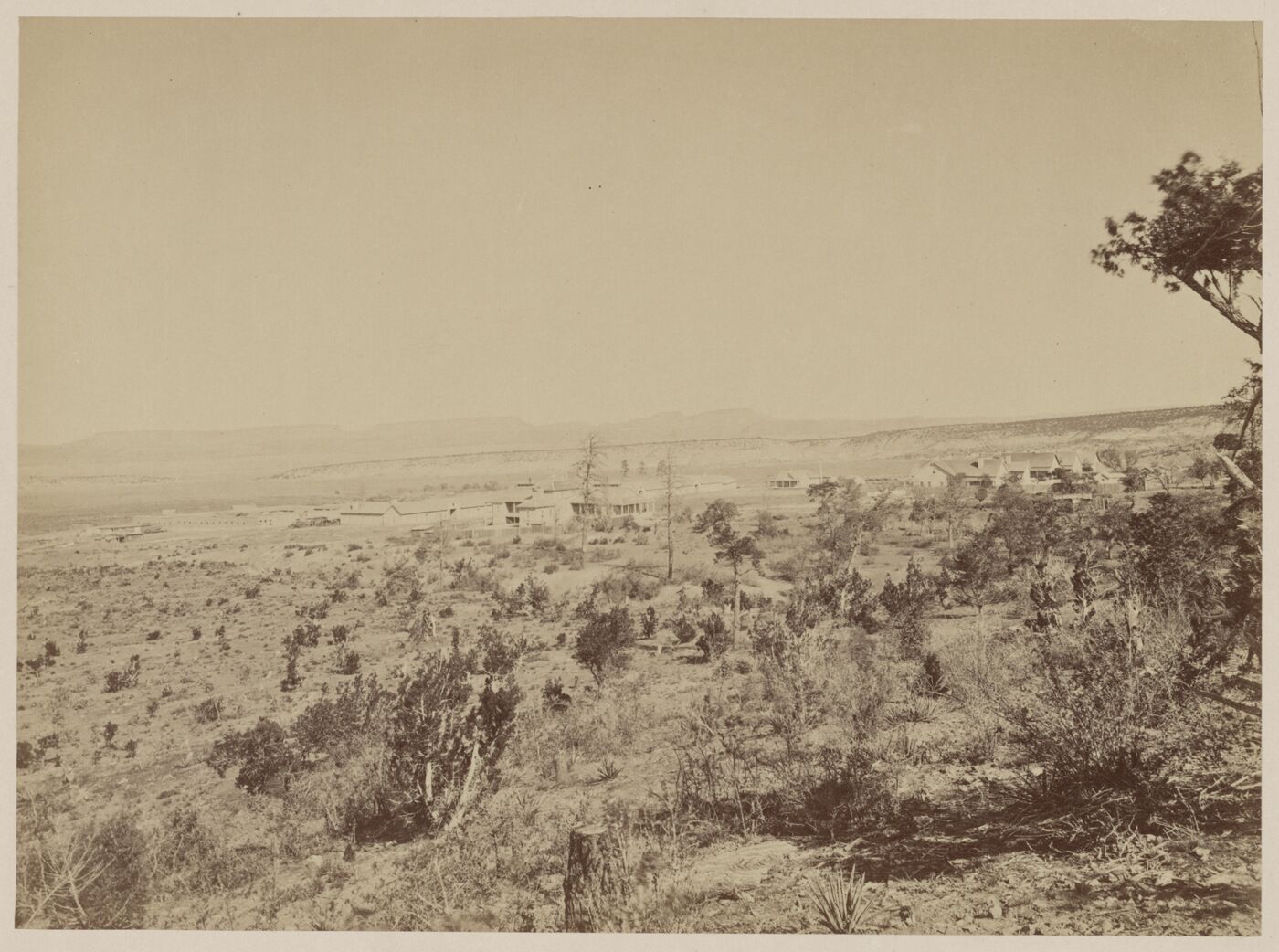
Fort Wingate Depot Activity
Fort Wingate Depot Activity is an inactive U.S. Army installation covering roughly 24 square miles in McKinley County in northwestern New Mexico, about 12 miles east of Gallup. The site traces its military origins to a fort established in 1870, and in 1918 the Army built a munitions depot around the older post. From 1949 to 1993, the depot received, stored, functionally tested, and demilitarized conventional munitions such as bombs, rockets, and missiles, using methods that included open burning, detonation, incineration, and bomb washout. The installation's active mission ceased and it was closed in January 1993 under the Base Realignment and Closure (BRAC) process. The property contained hundreds of earth-covered storage igloos and earthen revetments and is now largely surrounded by national forest and tribal lands.
Decades of munitions storage, testing, and demilitarization left a range of chemical residues in the soil and groundwater at Fort Wingate, and several of these substances have been associated with health concerns when people are exposed over long periods. The contaminants below have been documented in environmental records for the site.
- RDX and other explosive compounds: Explosives such as RDX and TNT were handled, tested, and destroyed at the depot, and sampling has detected explosive residues in soil and groundwater, primarily in the northern portion of the site. Exposure to explosive compounds in drinking water has raised concerns about potential effects on the nervous system and other organs.
- Perchlorate: Perchlorate, a component associated with rocket propellants and certain munitions, has been identified among the primary contaminants of concern in groundwater at the northern portion of the site. Perchlorate exposure has been associated with possible effects on thyroid function.
- PCBs: Polychlorinated biphenyls, once common in electrical equipment, hydraulic systems, and industrial materials, were released during depot operations. PCBs are persistent in the environment, and concerns about potential exposure include effects on the immune, reproductive, and nervous systems.
- Heavy metals: Operations released lead, arsenic, and other metals into site soils. Long-term exposure to metals such as lead and arsenic has been associated with concerns affecting the nervous system, kidneys, and other organs.
- Solvents and other volatile organic compounds: Volatile organic compounds, including industrial solvents used in maintenance and cleaning, were documented at the site. Some VOCs have been associated with concerns about potential effects on the liver, kidneys, and nervous system.
- PFAS: Per- and polyfluoroalkyl substances, a family of long-lasting compounds linked at many military sites to firefighting foams, are addressed at Fort Wingate in New Mexico's litigation against the U.S. Department of Defense. PFAS exposure has been associated in some studies with concerns about cholesterol, immune response, and certain other health outcomes.
Fort Wingate is not listed on the National Priorities List. Environmental restoration at the site began in 1989 and continues under the Army's BRAC cleanup program with oversight from the New Mexico Environment Department Hazardous Waste Bureau, which has guided investigation and remediation of contaminated soil and groundwater. In July 2024, the New Mexico Attorney General filed an amended complaint that added Fort Wingate, along with the U.S. Department of the Army as a defendant, to the state's lawsuit seeking PFAS cleanup costs from the Department of Defense under updated federal regulations.
Veterans who served at Fort Wingate Depot Activity and who have questions about possible exposures are encouraged to stay informed as cleanup work and litigation continue. Keeping records of service dates and assignments may be helpful, and the VA can provide current guidance on health resources and any benefits for which veterans may be eligible.
Were you stationed at a contaminated site?
The PACT Act of 2022 added more than 20 presumptive conditions for toxic exposure, including many cancers, and there is no deadline to file a VA claim.
This page is for informational purposes only and is not medical or legal advice. Consult a qualified professional about your health or benefits.
Discussion
No approved comments yet.