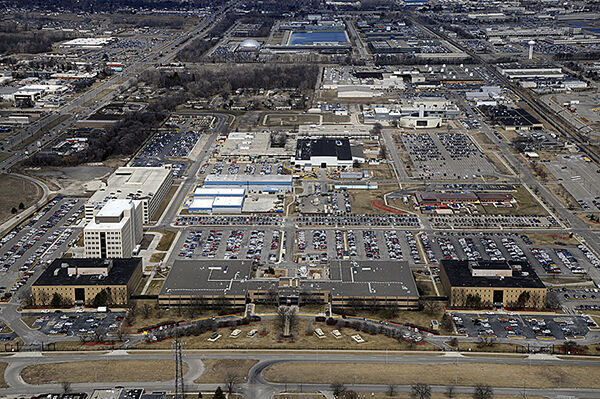
Detroit Arsenal
Detroit Arsenal is an active United States Army installation in Warren, Macomb County, Michigan, in the northern suburbs of Detroit. The site was established in 1940 as a tank manufacturing plant built and operated by Chrysler, with facilities designed by architect Albert Kahn, and it became the first plant built for the mass production of tanks in the United States. During World War II it produced large numbers of M3 Lee and later M4 Sherman tanks. Tank production at the site ceased in 1996, and today the installation serves as the headquarters for the U.S. Army TACOM Life Cycle Management Command and the Ground Vehicle Systems Center (formerly TARDEC), supporting research, development, and sustainment of Army ground vehicles.
As with many long-running military installations, activities at Detroit Arsenal have been associated with environmental contamination, and an investigation conducted under the federal Comprehensive Environmental Response, Compensation, and Liability Act (CERCLA) has raised concerns about potential exposure to certain chemicals in groundwater on and near the site.
- PFAS (per- and polyfluoroalkyl substances) are a large group of synthetic chemicals valued for their resistance to heat, water, and oil. At Detroit Arsenal, a CERCLA preliminary assessment and site inspection report provided by the Army in 2022 identified several locations where AFFF (aqueous film forming foam), a firefighting foam known to contain PFAS, was known or suspected to have been used. PFAS compounds have been associated in some studies with potential health effects, and there are ongoing concerns about long-term exposure.
- PFOS (perfluorooctane sulfonate) is one of the most studied PFAS compounds and was a common component of older firefighting foams. The Army report documented a highest groundwater result of 6,400 parts per trillion PFOS in one area of potential interest at the installation. PFOS has been associated in research with concerns about possible effects on the immune system and other health outcomes, though findings vary.
- PFOA (perfluorooctanoic acid) is another widely studied PFAS compound historically linked to industrial and firefighting foam uses. Groundwater sampling at Detroit Arsenal reported a highest result of 3,600 parts per trillion PFOA, alongside elevated levels of PFBS. Exposure to PFOA has been the subject of health research, and questions about its potential long-term effects remain under study.
Detroit Arsenal is not listed on the National Priorities List as a Superfund site. Environmental work at the installation is being addressed by the Army under CERCLA, in coordination with the Michigan Department of Environment, Great Lakes, and Energy (EGLE). The groundwater beneath the site is not used as a source of drinking water, and state agencies have reported that no residential drinking water wells were identified near the site. The Army has indicated it plans to further investigate the nature and extent of PFAS contamination through a CERCLA remedial investigation.
Veterans, civilian employees, and others who spent time at Detroit Arsenal may wish to stay informed as the investigation and any cleanup efforts continue. Those with questions about possible exposure and related benefits are encouraged to speak with the U.S. Department of Veterans Affairs (VA) and to keep records of their service, since understanding of these issues continues to develop over time.
Were you stationed at a contaminated site?
The PACT Act of 2022 added more than 20 presumptive conditions for toxic exposure, including many cancers, and there is no deadline to file a VA claim.
This page is for informational purposes only and is not medical or legal advice. Consult a qualified professional about your health or benefits.
Discussion
No approved comments yet.