Fort Novosel
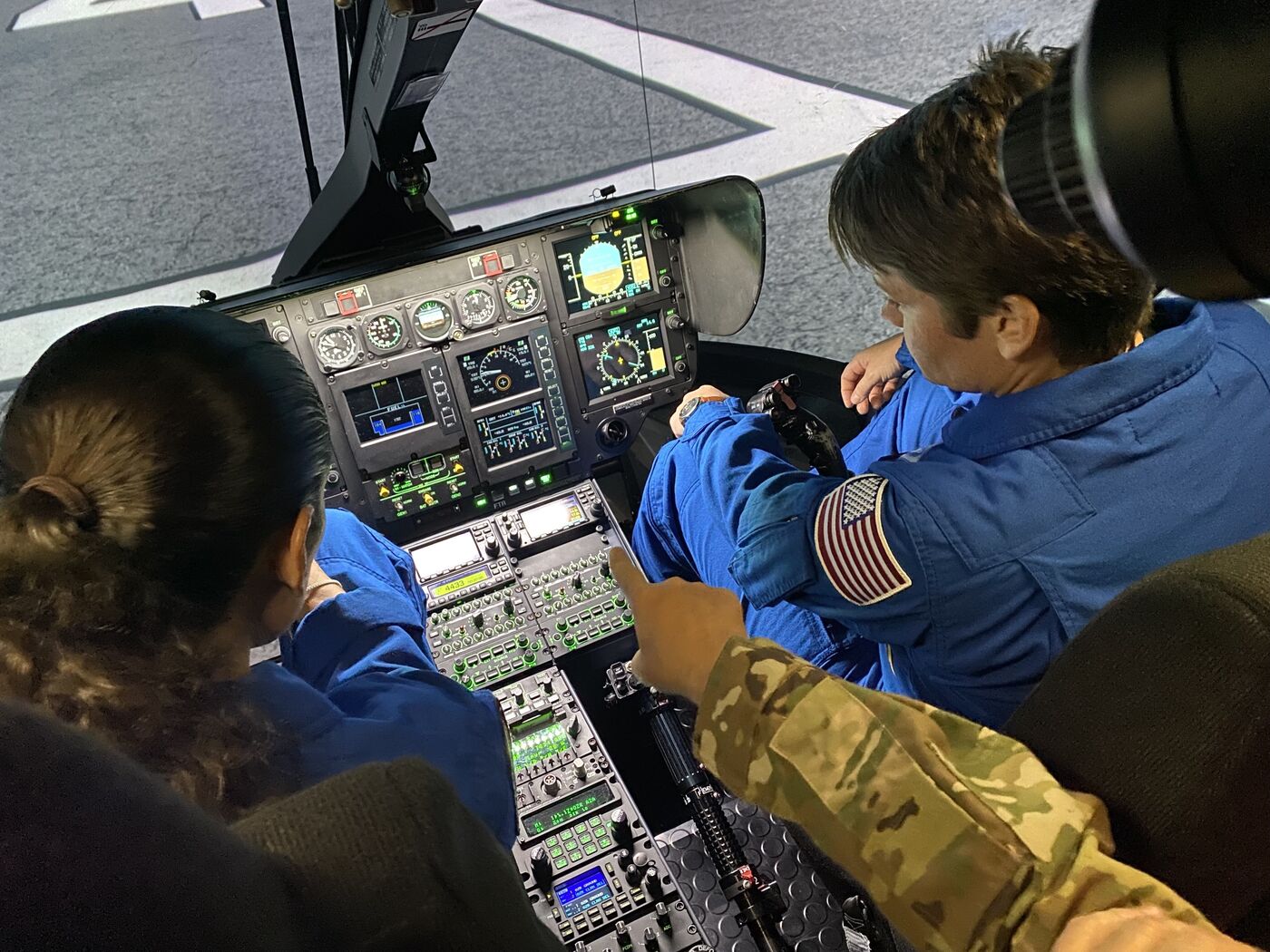
Fort Novosel, known for most of its history as Fort Rucker, is a U.S. Army installation in southeastern Alabama near the communities of Daleville and Enterprise, in the Wiregrass region. The post first opened as Camp Rucker in 1942 and became a permanent installation, later designated Fort Rucker in 1955. It serves as the U.S. Army Aviation Center of Excellence and is widely described as the "Home of Army Aviation," where helicopter and aviation crews complete much of their flight training. In April 2023 the post was redesignated Fort Novosel in honor of Chief Warrant Officer 4 Michael J. Novosel Sr., a Medal of Honor recipient and Army aviation figure. As an active aviation training base, it has supported flight operations, maintenance, and emergency response functions across its long history.
As with many installations where aircraft operations and fire training took place, environmental testing has raised concerns about potential exposure to certain chemicals in groundwater on and around the base. Sampling conducted as part of Department of Defense and U.S. Army environmental review programs has identified per- and polyfluoroalkyl substances in the area, and these findings have been associated with the historical use of firefighting foam.
- PFAS (per- and polyfluoroalkyl substances) are a large family of synthetic chemicals valued for their resistance to heat, water, and oil, and they are often described as "forever chemicals" because they break down very slowly in the environment. At Fort Novosel, PFAS have been detected in groundwater in connection with past firefighting and training activities. Research has associated some PFAS exposures with a range of potential health concerns, and federal agencies have set advisory levels reflecting caution about these compounds in drinking water.
- PFOS (perfluorooctane sulfonate) is one of the most studied individual PFAS compounds and was a common ingredient in older firefighting foams. DoD testing reportedly measured PFOS in groundwater at Fort Novosel at concentrations as high as roughly 93,000 parts per trillion, far above current federal advisory and drinking water benchmarks. PFOS has been the subject of ongoing study regarding its potential effects on human health.
- PFOA (perfluorooctanoic acid) is another individual PFAS compound historically present in industrial products and firefighting foams. Sampling at the installation reportedly found PFOA in groundwater at levels around 11,000 parts per trillion, also well above federal benchmarks. Like related compounds, PFOA has been associated in scientific literature with concerns about potential long-term exposure.
- AFFF (aqueous film-forming foam) is a firefighting agent that was widely used at military airfields to suppress fuel fires during training and emergency response. AFFF has been identified as the primary source of the PFAS, including PFOS and PFOA, detected in the groundwater at Fort Novosel. Because legacy AFFF formulations contained these persistent compounds, their past use is the focus of current environmental review at the base.
Fort Novosel is not listed on the National Priorities List as a federal Superfund site. Instead, the Army is investigating and addressing the contamination through the Department of Defense environmental restoration process under CERCLA, with oversight involving the U.S. Environmental Protection Agency. The base has been included in a joint EPA and Army project to sample private drinking water wells near the installation, an effort intended to determine where PFAS may have migrated and to inform any remedial actions. These investigation and cleanup activities have been described as ongoing.
Veterans, family members, and others who lived or worked at Fort Novosel or Fort Rucker and who have questions about possible exposure are encouraged to stay informed as testing and cleanup work continues. Following updates from the Army, the EPA, and state environmental authorities can help individuals understand current findings, and the U.S. Department of Veterans Affairs is a recommended resource for questions about health screening, benefits, and care related to potential exposure.
Were you stationed at a contaminated site?
The PACT Act of 2022 added more than 20 presumptive conditions for toxic exposure, including many cancers, and there is no deadline to file a VA claim.
This page is for informational purposes only and is not medical or legal advice. Consult a qualified professional about your health or benefits.
Discussion
No approved comments yet.