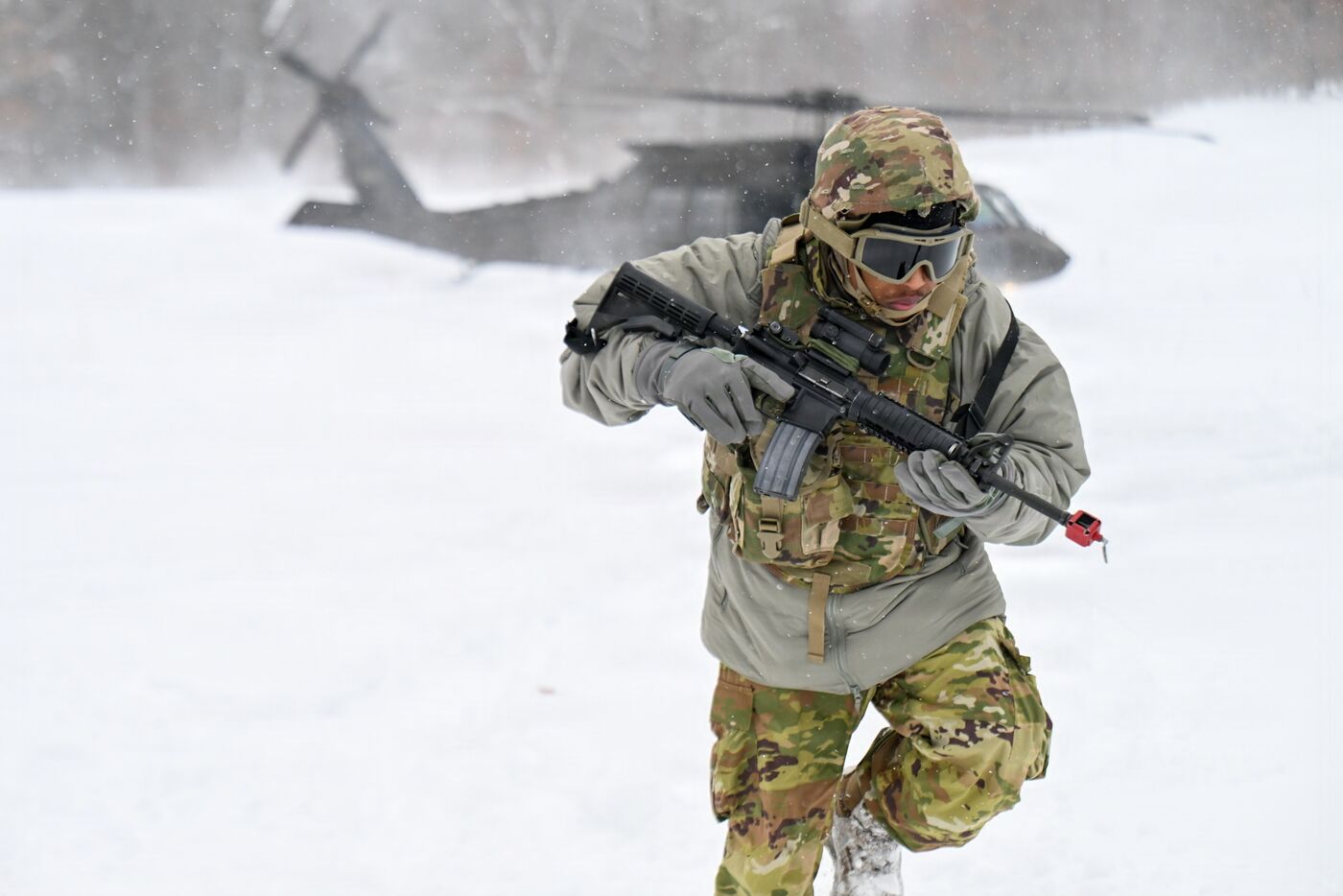
Camp Grayling Joint Maneuver Training Center
Camp Grayling Joint Maneuver Training Center is an Army National Guard installation located in Crawford County in northern Michigan, near the city of Grayling. Founded in 1913 on land donated by a local lumber baron, it began as an infantry training site and later served as a mobilization and training center during both World Wars. Today it spans well over 100,000 acres across Crawford and neighboring counties, making it the largest National Guard training facility in the United States. The site includes Grayling Army Airfield and a range of maneuver, artillery, and aviation training areas. Thousands of National Guard, Army, and Reserve personnel from across the Midwest and beyond train at the installation each year.
As at many installations where firefighting foam, aircraft operations, and fuel handling have taken place over decades, Camp Grayling has been the subject of concerns about potential exposure to certain persistent chemicals. Environmental testing and ongoing investigations have documented several contaminants in groundwater and surface water associated with the installation and nearby areas, including portions of Lake Margrethe.
- PFAS: PFAS (per- and polyfluoroalkyl substances) are a large group of synthetic chemicals valued for their resistance to heat, water, and grease. At Camp Grayling, PFAS was found in wells near the Grayling Army Airfield and Lake Margrethe in 2016, among Michigan's first military PFAS findings, with an estimated 300 people affected. PFAS exposure through drinking water has been associated in some studies with a range of potential health effects, and these compounds are known to persist in the environment.
- PFOS: PFOS (perfluorooctane sulfonate) is one of the most studied individual PFAS compounds and was a common ingredient in older firefighting foams. Testing near Camp Grayling has reported PFOS in groundwater and in surface water entering Lake Margrethe. PFOS has been associated in research with concerns about potential effects on the immune system, liver, and other functions.
- PFOA: PFOA (perfluorooctanoic acid) is another widely studied PFAS compound that has appeared alongside PFOS in sampling connected to the installation. Like related compounds, PFOA breaks down very slowly and has been the subject of ongoing study regarding possible long-term health concerns.
- AFFF: AFFF (aqueous film-forming foam) is a firefighting foam historically used to suppress fuel fires and during training exercises at airfields and fire response facilities. The use of AFFF containing PFOS and PFOA at Camp Grayling, including areas such as the airfield and fire facilities, is considered a likely source of the PFAS detected in the surrounding environment. Past use of these foams has been associated with the kinds of contamination now under investigation.
This site is not listed on the National Priorities List (Superfund). Cleanup is being carried out by the Army National Guard under the federal Comprehensive Environmental Response, Compensation, and Liability Act (CERCLA), with oversight and coordination involving Michigan's environmental agencies. Response actions have included expanded testing, efforts to connect affected residents to a treated municipal water supply, and stormwater treatment measures intended to limit PFAS from leaching into Lake Margrethe. Investigation and remediation work at the installation remains ongoing.
Veterans, Guard members, and others who lived or trained at Camp Grayling and have questions about possible exposure are encouraged to stay informed as investigations continue and to discuss any health concerns with the U.S. Department of Veterans Affairs. The VA can provide current guidance on eligibility, screening, and benefits related to environmental exposures.
Were you stationed at a contaminated site?
The PACT Act of 2022 added more than 20 presumptive conditions for toxic exposure, including many cancers, and there is no deadline to file a VA claim.
This page is for informational purposes only and is not medical or legal advice. Consult a qualified professional about your health or benefits.
Discussion
No approved comments yet.