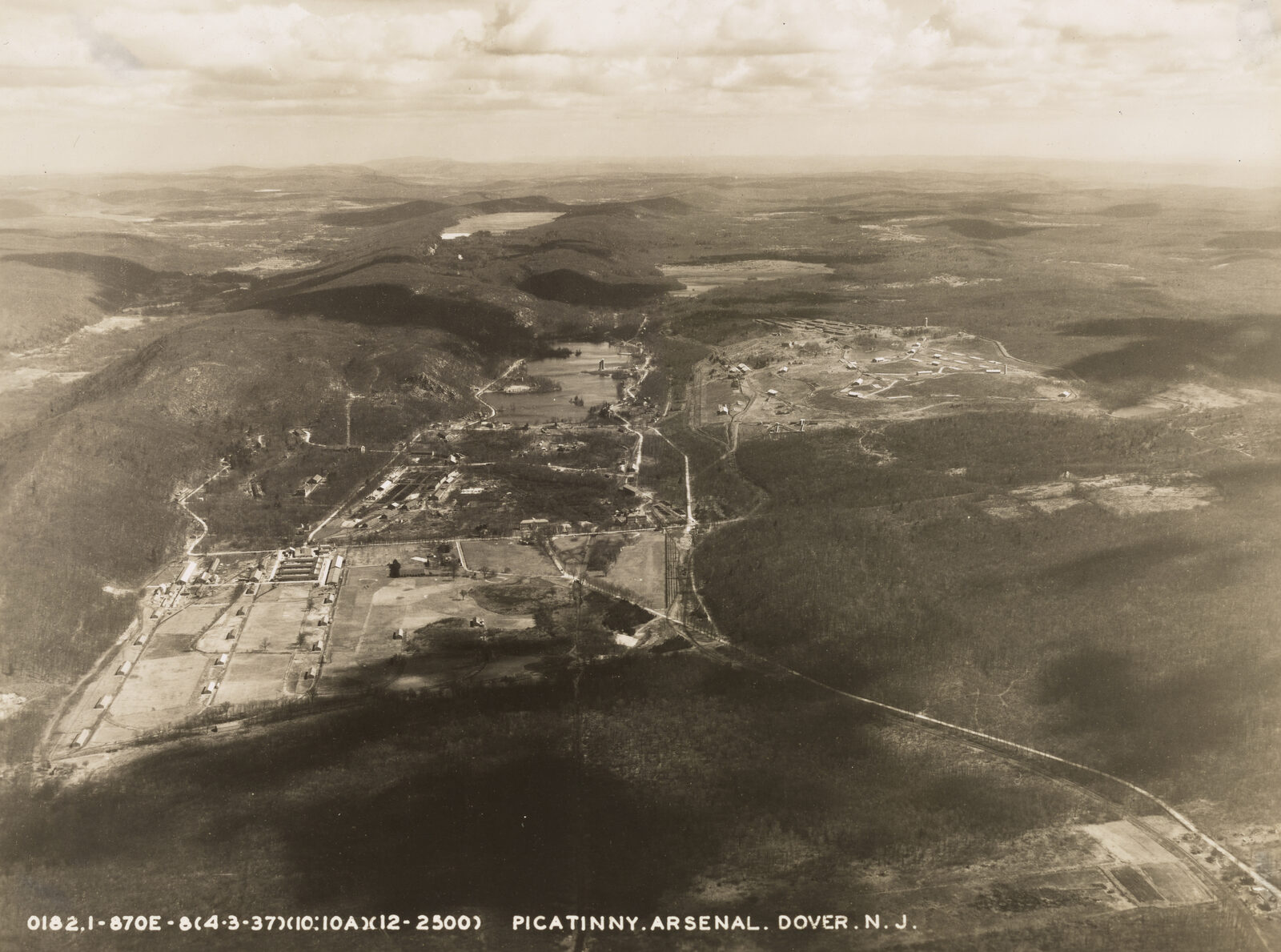
Picatinny Arsenal
Picatinny Arsenal is a United States Army installation covering approximately 5,900 acres in Morris County, in the hills of northern New Jersey. The site was established by the War Department in September 1880 as a powder depot and was renamed Picatinny Arsenal in 1907, when the Army built its first powder factory there. For well over a century the arsenal manufactured gunpowder, artillery ammunition, explosives, and other munitions, employing nearly 18,000 workers at its World War II peak and serving as a major munitions supplier during the Korean and Vietnam Wars. Today Picatinny Arsenal operates as the Army's principal center for armament and munitions research, development, and engineering.
There are concerns about potential carcinogenic health hazards at Picatinny Arsenal, stemming from decades of industrial and waste disposal practices that released various environmental contaminants:
- Heavy metals: Metals such as lead and other heavy metals were used in munitions manufacturing, metal finishing, and related industrial operations at the arsenal, and past disposal practices released them into soil, sediment, surface water, and groundwater. According to the EPA, exposure to contaminated sediment and surface water has resulted in elevated contaminant levels in game fish found in most of the installation's water bodies. Long term exposure to certain heavy metals has been associated with a range of health concerns, including some cancers.
- Organic solvents: Volatile organic compounds (VOCs), a category that includes industrial solvents used for cleaning and degreasing equipment, are the primary contaminants in numerous groundwater plumes scattered throughout the facility. Some chlorinated solvents in this class have been classified as known or probable human carcinogens, and exposure to them may potentially be linked to adverse health effects.
- Explosives and munitions constituents: Residues from the production, testing, and disposal of explosives and propellants have been found in soil and, to a lesser extent, in groundwater at the site. Exposure to certain explosive compounds has been associated with potential health concerns in occupational and environmental studies.
- PFAS: Per- and polyfluoroalkyl substances entered the environment at Picatinny largely through the use of AFFF (aqueous film forming foam) in firefighting training and emergency response. The EPA reports that PFAS were detected in drinking water at the site in 2018. The Army began a PFAS preliminary assessment in April 2018, finalized a site inspection report in April 2022, and determined that a remedial investigation is needed to define the extent of contamination, including possible migration toward off-post wells. Exposure to certain PFAS compounds has been associated with several health conditions, including some cancers.
The EPA placed Picatinny Arsenal on the Superfund National Priorities List in February 1990. Cleanup has proceeded in phases across 156 areas of concern and has included soil removal and capping, in-place groundwater treatment, monitored natural attenuation, land use controls, and clearance of unexploded ordnance, along with remedies addressing PCBs and other contaminants in sediment and fish habitat. The EPA's 2021 five-year review found that the remedies in place are protecting human health and the environment, with monitoring ongoing.
It is important to recognize that while there are concerns about potential exposure to contaminants at Picatinny Arsenal, establishing definitive links between that exposure and specific illnesses in any individual can be complex. Ongoing research and environmental monitoring continue to clarify these questions. Veterans and civilian workers who served at the arsenal may wish to stay informed about the cleanup, document their service history, and consult the VA about health evaluations and any benefits for which they may be eligible.
Were you stationed at a contaminated site?
The PACT Act of 2022 added more than 20 presumptive conditions for toxic exposure, including many cancers, and there is no deadline to file a VA claim.
This page is for informational purposes only and is not medical or legal advice. Consult a qualified professional about your health or benefits.
Discussion
No approved comments yet.