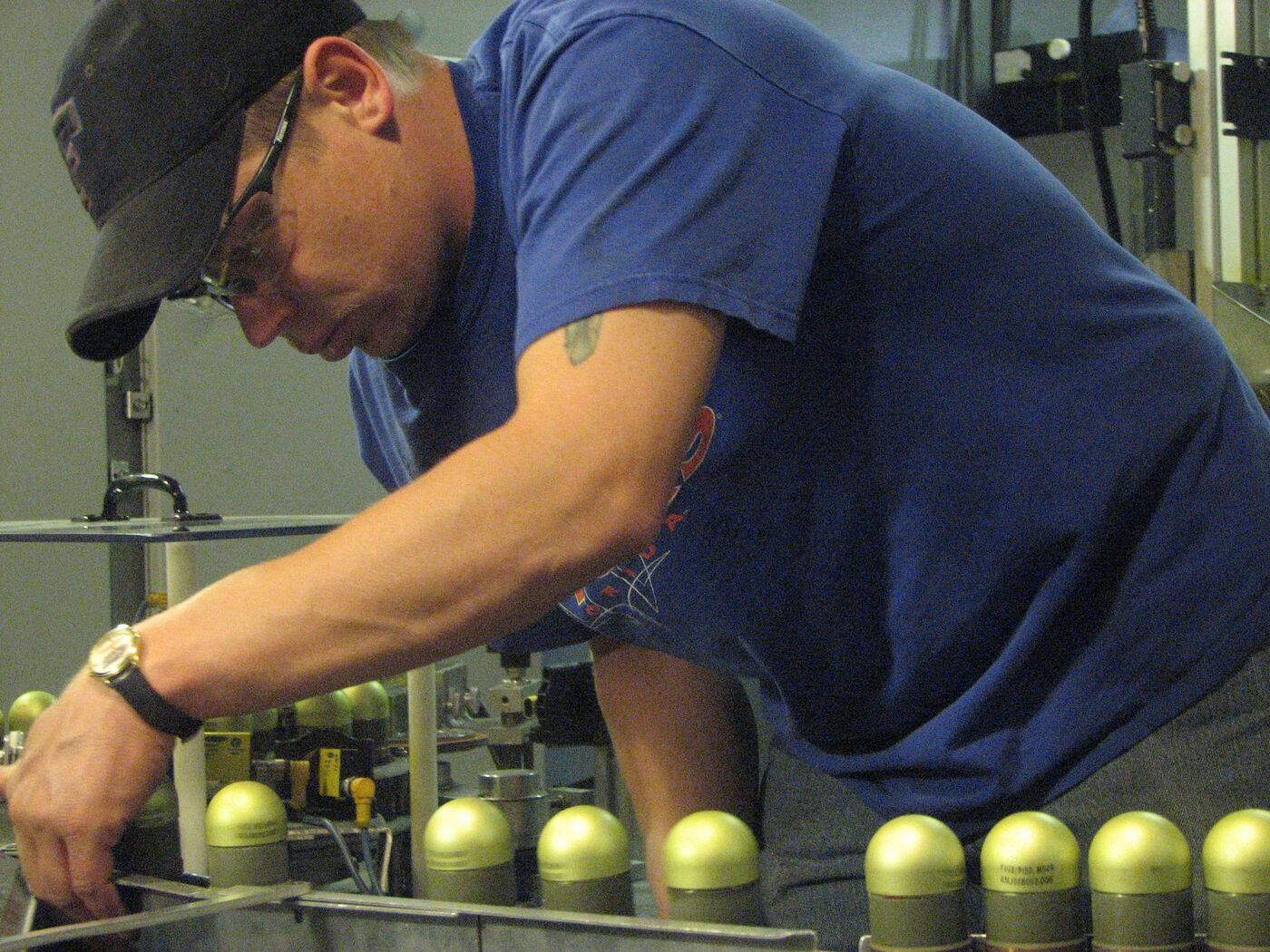
Milan Army Ammunition Plant
Milan Army Ammunition Plant is a former U.S. Army munitions installation located in western Tennessee, spread across portions of Carroll and Gibson counties near the city of Milan. The facility was established in 1941, when the Milan Ordnance Depot and the adjacent Wolf Creek Ordnance Plant began operations to supply ammunition during the buildup to World War II. Over the following decades the plant loaded, assembled, packed, stored, and shipped conventional ammunition, including artillery projectiles, mortars, grenades, and related components. The installation operated under several names before becoming Milan Army Ammunition Plant, and it was formally deactivated in 2025. Its long production history left a legacy of environmental concerns that prompted federal cleanup oversight.
Because munitions production and waste disposal took place at the site for many years, concerns have been raised about potential exposure to explosives-related compounds in soil and groundwater. Production processes, the demilitarization of munitions, and past wastewater and waste disposal practices released contaminants that were later detected on and off the installation.
- TNT (trinitrotoluene) is a nitroaromatic compound widely used as a military explosive. At Milan Army Ammunition Plant, TNT and related byproducts entered soil and groundwater through munitions loading operations and the disposal of explosives-laden wastewater. Exposure to TNT has been associated in some studies with effects on the blood and liver, and its presence in the environment has raised concerns about potential exposure for workers and nearby residents.
- RDX (cyclotrimethylenetrinitramine) is a high explosive that was handled and processed at the plant as part of its ammunition mission. RDX and other explosives migrated into the groundwater system, and contaminated groundwater moved off-post to the north and northwest, reaching some private properties and the City of Milan water wells in the late 1980s. RDX has been studied for potential health effects, including concerns about the nervous system, and its detection at the site has contributed to ongoing monitoring and remediation.
- Other explosives and related compounds, including HMX, dinitrotoluene isomers, and nitrobenzene, were also identified in site groundwater alongside TNT and RDX. These compounds are byproducts or components of munitions manufacturing and handling, and their presence reflects the range of materials processed at the installation. Concerns about potential exposure to this mixture of explosives-related contaminants helped drive the federal cleanup response.
The U.S. Environmental Protection Agency listed Milan Army Ammunition Plant on the National Priorities List, the federal Superfund program, in 1987, citing soil and groundwater contaminated with explosives such as TNT and RDX that threatened the Memphis Sand Aquifer, a regional drinking water source. Cleanup has been carried out by the Army in coordination with the EPA and the Tennessee Department of Environment and Conservation, and has included groundwater extraction and treatment systems, replacement water supply wells for the City of Milan, and long-term monitoring. Groundwater treatment and monitoring are expected to continue for many years.
Veterans, civilian employees, and family members who spent time at Milan Army Ammunition Plant may wish to stay informed about the site's documented contamination and the status of ongoing cleanup work. Anyone with questions about possible exposure and related health concerns is encouraged to speak with the U.S. Department of Veterans Affairs or a personal physician, who can offer guidance based on individual circumstances.
Were you stationed at a contaminated site?
The PACT Act of 2022 added more than 20 presumptive conditions for toxic exposure, including many cancers, and there is no deadline to file a VA claim.
This page is for informational purposes only and is not medical or legal advice. Consult a qualified professional about your health or benefits.
Discussion
No approved comments yet.