Stones Ranch Military Reservation
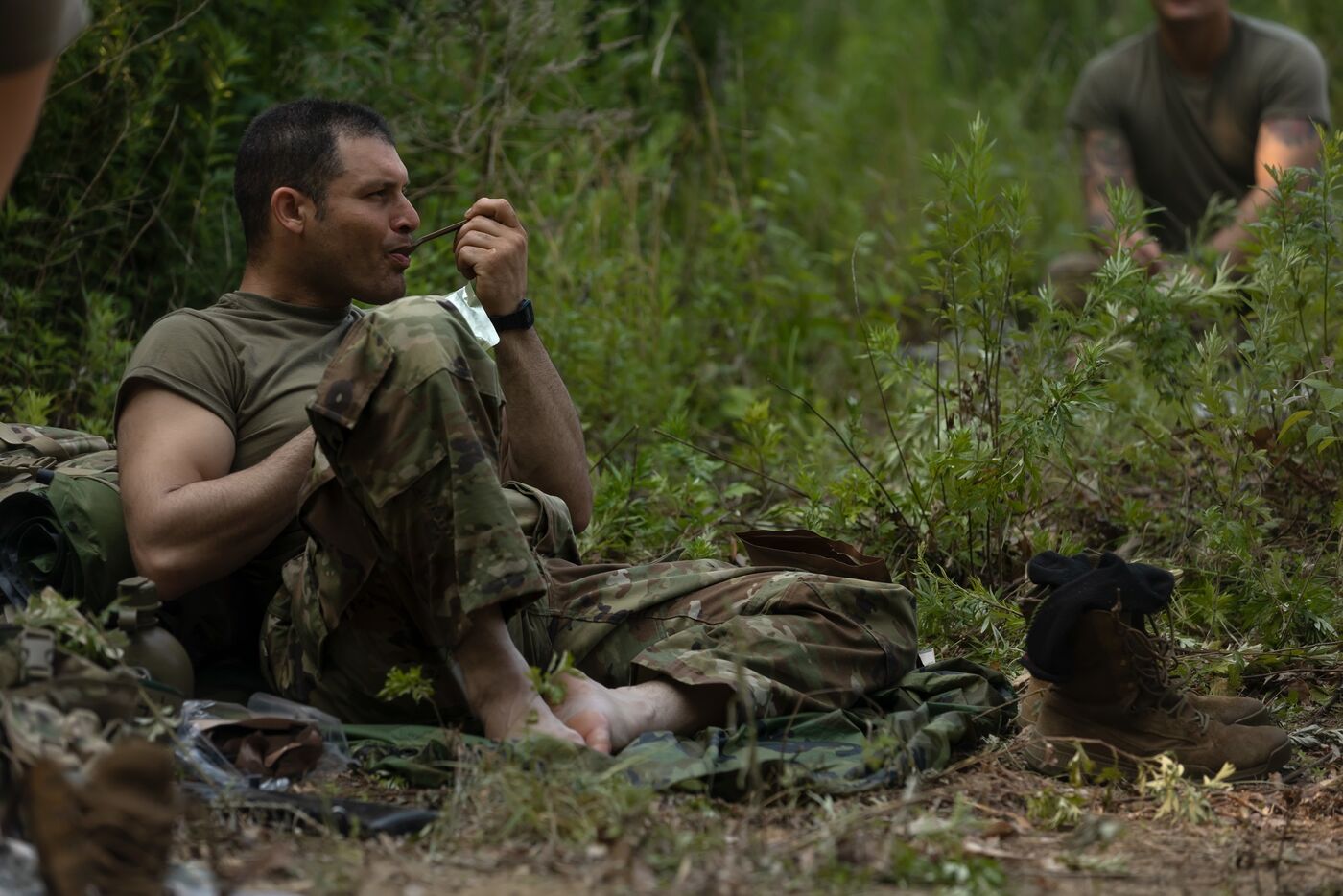
Stones Ranch Military Reservation is an Army National Guard training installation in East Lyme, Connecticut, in New London County. The site traces its origins to 1881, when the land began to be used as a National Guard training ground, and it operated under earlier names including Camp Weicker and Camp Rowland before adopting its current designation around 2002. Spanning roughly 2,000 acres, the reservation supports the Connecticut Army National Guard as a multi-use tactical training area, with bivouac areas, a land-navigation course, a confidence and leadership reaction course, and live-fire and demolition ranges. It has also been used by law enforcement for firearms and field training, remains active today, and is part of the broader Connecticut Training Center.
Like many installations where firefighting foam, munitions, and field exercises have been part of routine operations, Stones Ranch has drawn attention over concerns about potential environmental exposure. Drinking-water sampling at the site detected per- and polyfluoroalkyl substances, and the reservation appears in the federal Superfund site information system. The contaminants below have been associated with the kinds of activities documented at this base.
- PFAS: PFAS (per- and polyfluoroalkyl substances) are a large family of synthetic chemicals valued for their resistance to heat, water, and oil, and they break down very slowly in the environment. At Stones Ranch, PFAS were detected in drinking-water sampling, a finding generally linked to the historical use of firefighting foam during training. Research has associated certain PFAS with effects on the immune system, cholesterol levels, and some cancers, prompting concerns about potential long-term exposure.
- AFFF: AFFF (aqueous film-forming foam) is a firefighting agent that historically contained PFAS compounds and was widely used at military sites for fire suppression and training. AFFF use is the source most often connected to the PFAS detected in water at Stones Ranch. Because residues from this foam can migrate into soil and groundwater, it has been a focus of concern for personnel and nearby communities.
- RDX and other explosives: RDX is used in military munitions and demolition charges, and related residues can remain in soil at sites with live-fire and demolition ranges. Given the training conducted at Stones Ranch, explosive compounds are among the contaminants of potential interest, though they are not confirmed in public site records. Some explosives constituents have been studied for possible health effects.
- Heavy metals: Heavy metals such as lead can accumulate in soil at firing ranges, deposited through spent ammunition and related activities. At a long-used firearms-training installation like Stones Ranch, heavy metals are a recognized category of potential soil contaminant, although they are not documented in public records for this site. Elevated metal exposure has been associated with a range of health effects.
Stones Ranch Military Reservation has not been placed on the National Priorities List, the federal Superfund roster of the most seriously contaminated sites. According to its entry in the federal Superfund site information system, it received a designation indicating that it does not qualify for the National Priorities List based on existing information. Environmental oversight has involved the Department of Defense, the National Guard, and state and federal environmental agencies, with assessment and any needed response handled through federal facility and state environmental programs rather than the formal Superfund cleanup process.
Veterans, Guard members, and others who trained or worked at Stones Ranch may wish to stay informed as environmental assessments and policies continue to develop. Those with questions about possible exposure are encouraged to keep records of their service and to speak with the U.S. Department of Veterans Affairs about screening, health resources, and any benefits for which they may be eligible.
Were you stationed at a contaminated site?
The PACT Act of 2022 added more than 20 presumptive conditions for toxic exposure, including many cancers, and there is no deadline to file a VA claim.
This page is for informational purposes only and is not medical or legal advice. Consult a qualified professional about your health or benefits.
Discussion
No approved comments yet.