Fort McClellan
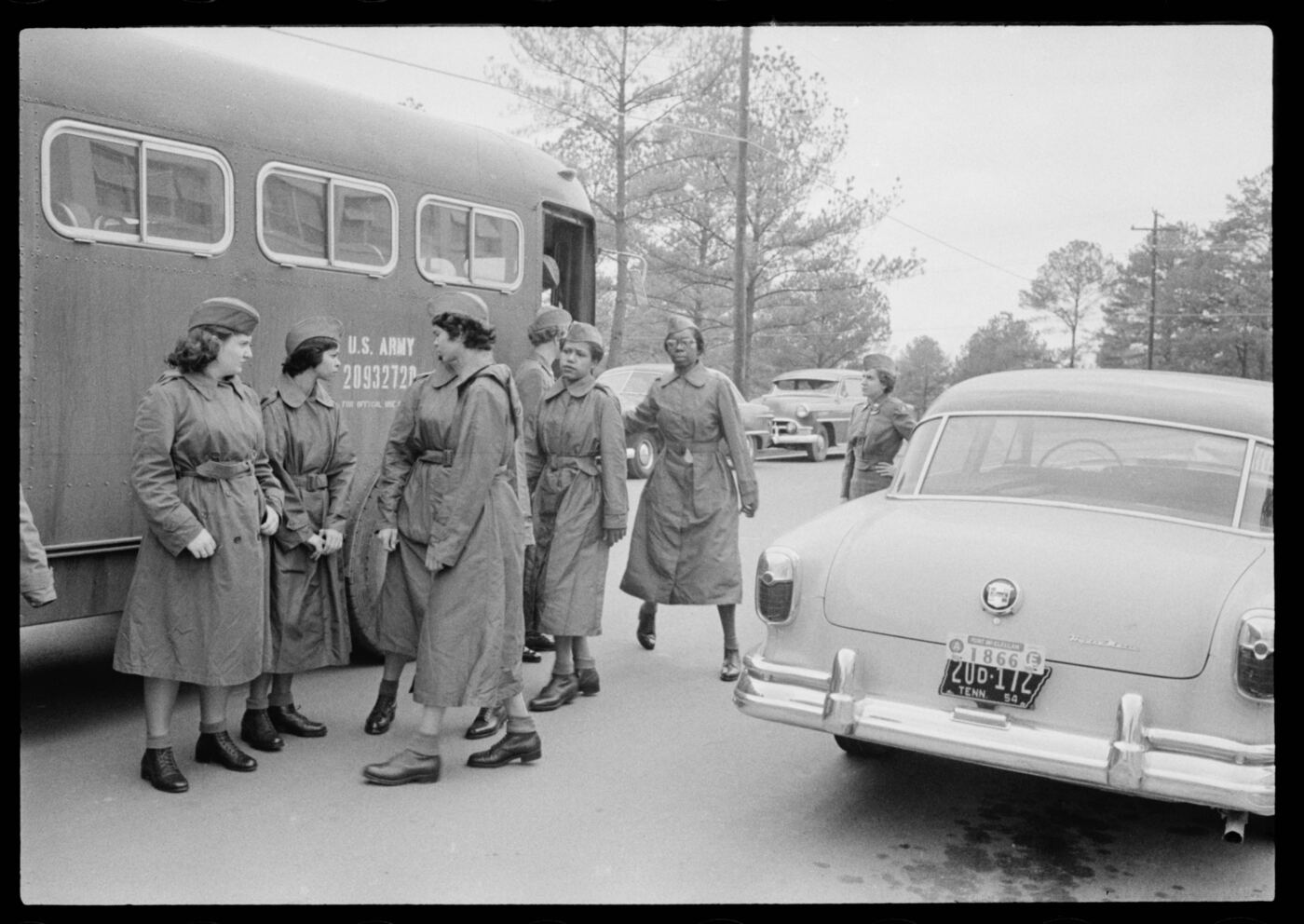
Fort McClellan was a United States Army installation near Anniston, in Calhoun County, Alabama, that operated from 1917 until its closure in 1999 under the Base Realignment and Closure (BRAC) process. Over more than eight decades, the post housed the Army Chemical Corps School, the Army Combat Development Command Chemical/Biological/Radiological Agency, the Army Military Police School, and the Women's Army Corps. Training conducted there included chemical agent decontamination exercises along with the use of radioactive sources, fog oil, and smoke obscurants.
The former post has been the subject of long running environmental concerns. A 2005 National Academies report counted Fort McClellan among the most contaminated Army sites, citing volatile organic compounds such as TCE and PCE, pesticides, lead, and radioactive material in soil and groundwater. In addition, airborne PCBs from the neighboring Monsanto chemical plant in Anniston, which produced PCBs from 1929 to 1971, likely reached the installation. The Agency for Toxic Substances and Disease Registry (ATSDR) examined potential exposures in health consultations issued in 2008 and 2015 and in a comprehensive report released in January 2025.
- TCE (trichloroethylene) is a chlorinated solvent historically used for degreasing metal parts and equipment. It was identified in soil and groundwater at the former post, and exposure to TCE has been associated in some studies with kidney cancer and other health conditions. ATSDR's 2025 review concluded that recreational contact with TCE at the sites it evaluated was not expected to harm health, though many veterans remain concerned about other exposure scenarios.
- PCE (tetrachloroethylene) is a related solvent used in degreasing and dry cleaning operations. It was documented in environmental sampling at Fort McClellan, and some research has raised concerns about a potential association between long term PCE exposure and certain cancers.
- PCBs (polychlorinated biphenyls) were not produced on the base itself but drifted onto the area as airborne emissions from the Monsanto plant in Anniston. PCBs persist in the environment and are classified by the EPA as probable human carcinogens, and potential exposure remains a central concern for Fort McClellan veterans.
- Other solvents and volatile organic compounds associated with vehicle maintenance, training, and industrial operations were detected at multiple sites on the former post, and chronic exposure to some VOCs has been linked in studies to potential health effects.
- Heavy metals, including lead, arsenic, thallium, and manganese, were detected in soil or surface water at various locations. ATSDR's 2025 report recommended further evaluation of lead in soil and dust near former housing areas, citing potential risks to children.
- Radiation sources, including cesium-137 and cobalt-60, were used in training exercises at the post. VA has stated that there is no clear evidence of exposures at levels expected to cause adverse health effects, though ATSDR separately flagged radon in some on-base housing as a potential concern.
Fort McClellan was never placed on the EPA National Priorities List. Instead, cleanup has proceeded under the Army BRAC environmental restoration program with oversight by the Alabama Department of Environmental Management. Through Environmental Services Cooperative Agreements signed in 2003 and 2007, the Army funded the McClellan Development Authority to manage much of the remediation, and the removal of unexploded ordnance has been completed while soil and groundwater work continues at some remaining sites.
Veterans with questions about potential exposures may wish to follow ATSDR and VA updates as they are released. VA currently reviews disability claims related to Fort McClellan service on a case by case basis, and speaking with a VA health care provider or an accredited representative can help veterans understand their individual situation.
Were you stationed at a contaminated site?
The PACT Act of 2022 added more than 20 presumptive conditions for toxic exposure, including many cancers, and there is no deadline to file a VA claim.
This page is for informational purposes only and is not medical or legal advice. Consult a qualified professional about your health or benefits.
Discussion
Are there any known chemical agent exposures associated with causing cancer at Fort McClellan?