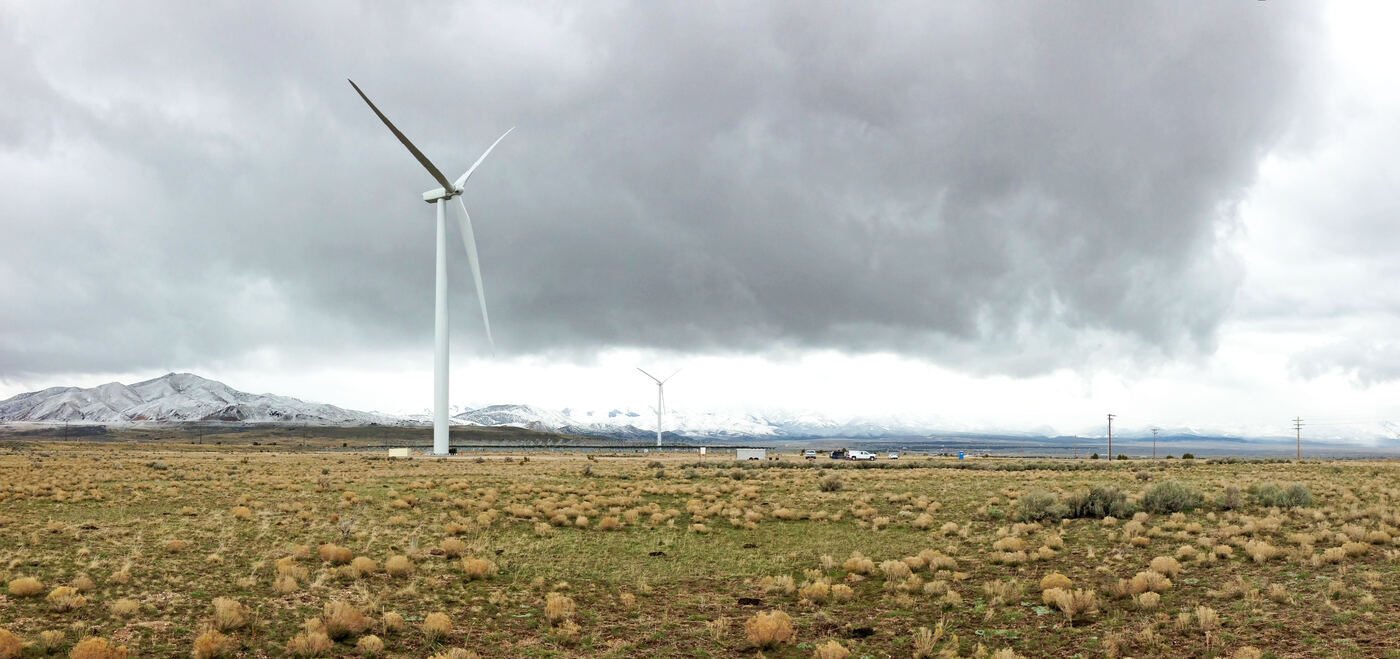
Tooele Army Depot
Tooele Army Depot is a roughly 24,000 acre Army installation in northeastern Tooele County, Utah, about 35 miles southwest of Salt Lake City. Established in 1942 as the Tooele Ordnance Depot and renamed in 1962, the depot was built to store war reserve and training ammunition, and its mission grew over the decades to include receiving, renovating, maintaining, and demilitarizing conventional munitions. During the Korean War era the installation also took on large scale maintenance and rebuilding of military equipment, including vehicles and other support items. Those industrial operations generated significant volumes of waste over many years of activity.
For decades, industrial wastes from maintenance and munitions operations were disposed of in unlined lagoons on the depot. Those practices allowed solvents to seep into the soil and reach the aquifer beneath the installation, creating large plumes of contaminated groundwater. Veterans and civilian workers who served at the depot during its years of heavy industrial activity may have concerns about potential exposure to the following documented contaminants:
- Trichloroethylene (TCE) is a chlorinated solvent that was widely used by the military to degrease metal parts and equipment. At Tooele Army Depot, TCE is the principal contaminant of concern in groundwater, with two primary plumes identified: a main plume associated with the former industrial waste lagoons and a northeastern boundary plume. A secondary plume in the depot's former industrial area has migrated about 1.5 miles off post. TCE exposure has been associated in scientific studies with certain cancers, including kidney cancer, as well as other health effects, though individual risk depends on the level and duration of exposure.
- Other solvents and volatile organic compounds were used in cleaning, painting, and equipment maintenance at the depot and were among the industrial wastes sent to the unlined lagoons. Long term exposure to some of these compounds has been associated with potential effects on the liver, kidneys, and nervous system, and site investigations have worked to define their presence in soil and groundwater.
The Tooele Army Depot North Area was placed on the EPA National Priorities List in October 1990, and the cleanup has been organized into 16 operable units. The Army built one of the largest groundwater treatment plants in the country, which operated from December 1993 to June 2004 and removed approximately 5,900 pounds of TCE before it was deactivated; the facility was later decommissioned. A 2003 federal public health assessment concluded that people living near the depot have not been exposed to site related contaminants at levels expected to cause adverse health effects. Long term groundwater monitoring, land use controls, and remedy decisions for remaining site areas continue today under the oversight of the EPA and the Utah Department of Environmental Quality, and the most recent five year review found the response actions protective of human health in the short term.
Veterans and family members who lived or worked at Tooele Army Depot may wish to keep up with site monitoring reports and five year reviews as the cleanup progresses. Anyone with health questions that may relate to service at the depot is encouraged to speak with a healthcare provider and to contact the Department of Veterans Affairs about health registry evaluations and potential benefits.
Were you stationed at a contaminated site?
The PACT Act of 2022 added more than 20 presumptive conditions for toxic exposure, including many cancers, and there is no deadline to file a VA claim.
This page is for informational purposes only and is not medical or legal advice. Consult a qualified professional about your health or benefits.
Discussion
No approved comments yet.