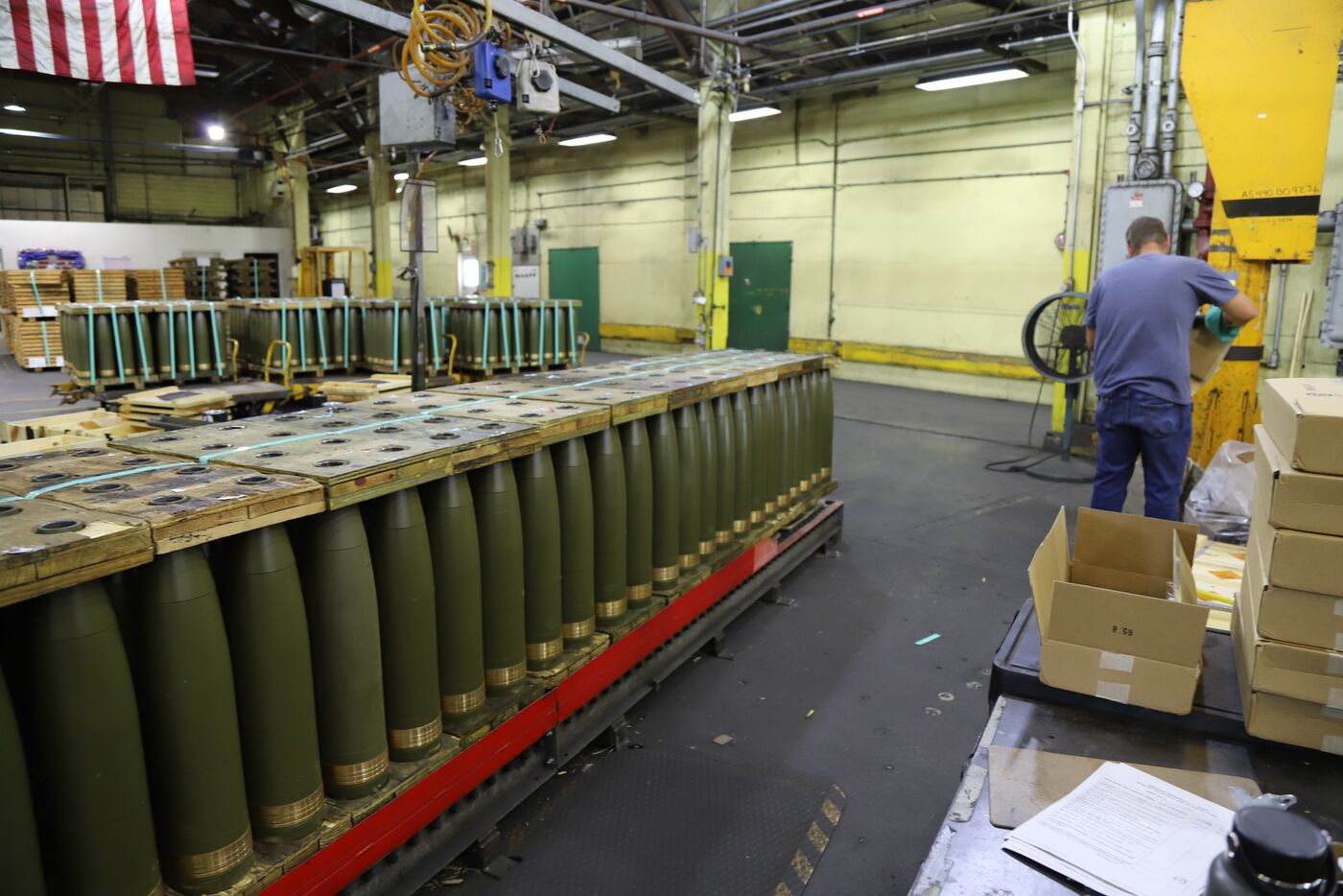
Iowa Army Ammunition Plant
The Iowa Army Ammunition Plant (IAAAP) is a large Army munitions facility covering roughly 19,000 acres in rural Des Moines County, near Middletown and about ten miles west of Burlington, Iowa. The installation was constructed in 1940 and began production in 1941, primarily loading, assembling, and packing ammunition and explosive components for the Army. From 1947 to 1975, the Atomic Energy Commission operated portions of the site, including activities involving the destructive testing of components that contained depleted uranium. Over its decades of operation, waste handling practices such as the discharge of explosive contaminated wastewaters, routine open burning of munitions, and landfilling of waste material left contamination across soils, surface water, sediments, and groundwater. The plant remains an active facility today, with environmental restoration work continuing across multiple operable units.
Because of these historical operations, environmental investigations have documented a range of substances in soil, water, and creek sediments at and around the installation, and some of these have been associated with concerns about potential exposure for people who lived or worked at the site.
- RDX and other explosives: Royal Demolition Explosive (RDX) and related explosive compounds were used and processed in large quantities during munitions production. At IAAAP, explosive contaminated wastewaters and sludges were discharged to uncontrolled on-site drainage areas, and RDX has been found in on-post soils, surface water, and groundwater, as well as in off-post groundwater. Exposure to certain explosive compounds has been associated in some studies with effects on the nervous system and other health concerns.
- Heavy metals: Lead and other metals were present in munitions, primers, and waste materials and have been detected in site soils, surface water, and sediments. Concerns have been raised about potential exposure to lead and similar metals, which have been linked to a range of health effects depending on the level and duration of contact.
- Volatile organic compounds and solvents: Industrial solvents and other VOCs were used in cleaning and degreasing operations and have been identified in groundwater at the plant. Some of these solvents have been associated with concerns about long term health effects when exposure occurs through contaminated water.
- PFAS from firefighting foam: Aqueous film forming foam (AFFF) used in firefighting and training has been identified as a source of per- and polyfluoroalkyl substances at the site. PFAS, including PFOS and PFOA, have been detected in groundwater at areas such as the former fire station, firefighting training areas, and a new fire station. These compounds have drawn growing attention because of concerns about potential health effects from long term exposure.
- Depleted uranium and radiological contamination: Past Atomic Energy Commission operations, primarily in the Firing Sites Area, involved depleted uranium, and destructive testing left soils with radiological contamination. Concerns about potential exposure to depleted uranium and associated radiation have been part of the site's ongoing investigation and cleanup.
The Iowa Army Ammunition Plant was proposed for the National Priorities List in 1989 and was formally listed as a Superfund site on August 30, 1990. A Federal Facility Agreement between the EPA and the Army became effective in December 1990, providing the framework for investigation and cleanup under federal law. Remediation is organized across more than a dozen operable units addressing soils, groundwater, and other media, with several records of decision in place and additional work continuing. Residents whose off-post drinking water was affected by site contaminants have been connected to alternative water supplies, and land use controls such as fencing, warning signs, and restrictions on groundwater use have been put in place for on-post areas.
Veterans who served or worked at the Iowa Army Ammunition Plant may wish to stay informed as cleanup and monitoring continue. Anyone with questions about possible exposure and related health concerns is encouraged to keep records of their service and to speak with the U.S. Department of Veterans Affairs about available benefits, screenings, and guidance.
Were you stationed at a contaminated site?
The PACT Act of 2022 added more than 20 presumptive conditions for toxic exposure, including many cancers, and there is no deadline to file a VA claim.
This page is for informational purposes only and is not medical or legal advice. Consult a qualified professional about your health or benefits.
Discussion
No approved comments yet.