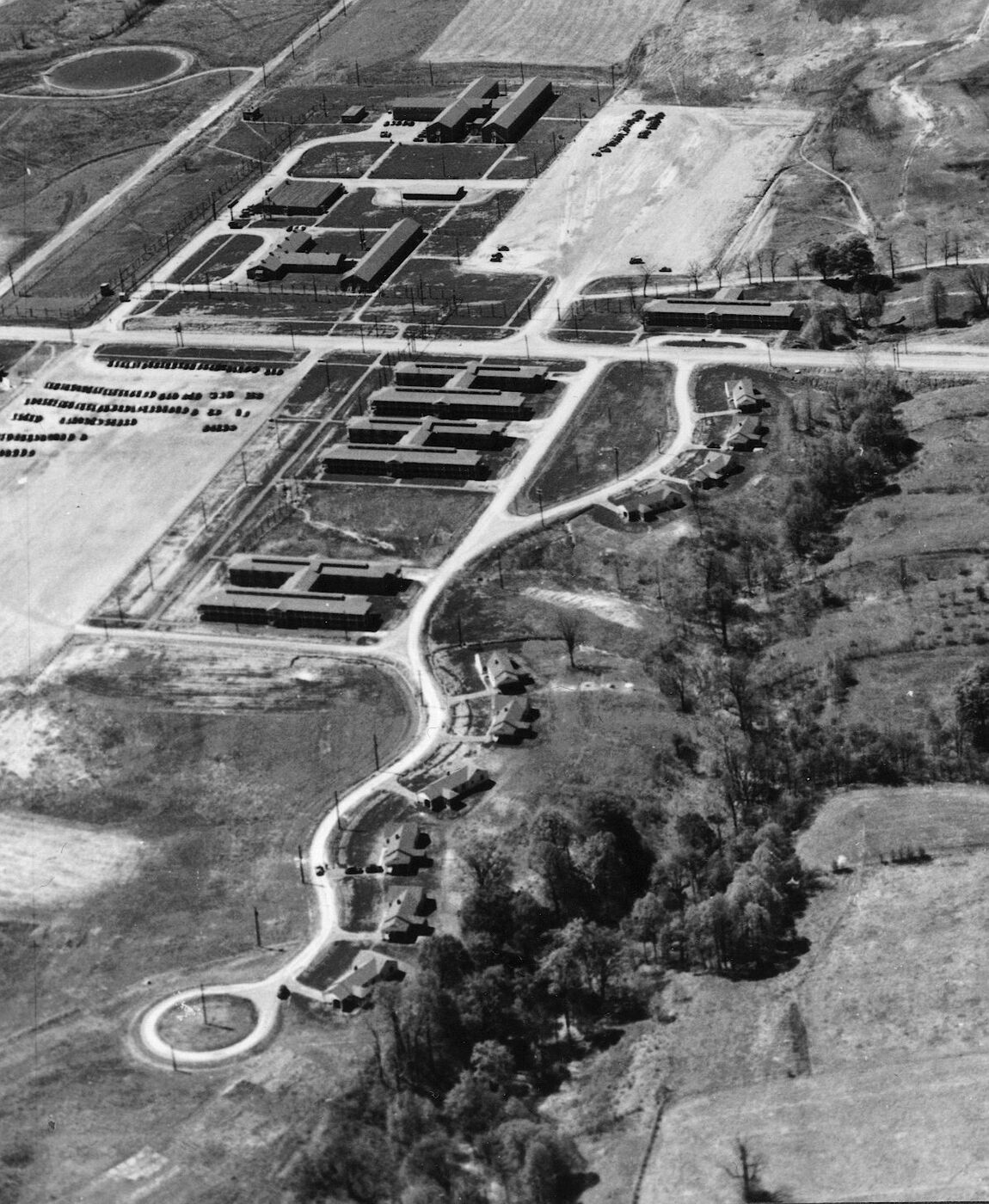
West Virginia Ordnance Works
The West Virginia Ordnance Works was a U.S. Army munitions facility located near Point Pleasant in Mason County, West Virginia. Built in 1942, it manufactured trinitrotoluene (TNT) for the war effort during World War II and operated until 1945. The plant sat on a large tract along the Kanawha River and included production buildings, acid lines, and industrial wastewater disposal areas. After the war the facility was closed, and over the following decades portions of the property were transferred for other uses, including a wildlife area. Today the contaminated portion of the property is managed as the Clifton F. McClintic Wildlife Management Area, operated by the West Virginia Division of Natural Resources.
Because of the nature of TNT production and the wartime disposal practices common to that era, several contaminants have been associated with the soil and groundwater at the site. Environmental investigations conducted by the EPA and the U.S. Army Corps of Engineers identified nitroaromatic compounds, spent acids, and other manufacturing residues, raising concerns about potential exposure for people who lived or worked near the former operations.
- Explosives and nitroaromatic residues (TNT and DNT). Trinitrotoluene (TNT) was the primary product manufactured at the site, and dinitrotoluene (DNT) is a related compound and byproduct of that process. Manufacturing waste, including TNT and DNT, was disposed of in wastewater systems and impoundments, leaving these residues in soil and groundwater. Exposure to nitroaromatic explosives has been associated in some studies with effects on the blood, liver, and other organ systems, and these concerns have factored into the ongoing groundwater monitoring at the site.
- Asbestos. Asbestos was widely used in industrial-era buildings and process equipment for insulation and fireproofing, and it was documented in portions of the former plant and disposal areas. Asbestos fibers, when disturbed and inhaled, have been associated with serious respiratory conditions, including lung disease, which is why containment and access restrictions remain in place at affected locations.
- Heavy metals. Metals associated with TNT manufacturing and the use of spent acids were identified in site soils and groundwater. Long-term exposure to certain heavy metals has been associated with a range of health concerns affecting the kidneys, nervous system, and other organs, and metals contamination has been part of the remedial evaluation for the property.
The West Virginia Ordnance Works was added to the National Priorities List, the EPA's roster of Superfund sites, in the early 1980s, with a listing recorded in 1983. Cleanup has been led by the U.S. Army Corps of Engineers with EPA oversight and has included soil capping, lined covers over former impoundments, a groundwater pump-and-treat system, long-term monitoring, and institutional controls limiting future land use. Following remediation of several areas, the EPA approved partial deletions of portions of the site in 2002 and 2004, while monitoring of the remaining areas continues.
Veterans who served at or near the West Virginia Ordnance Works and who have questions about possible exposures are encouraged to stay informed about the site's environmental record and to speak with the U.S. Department of Veterans Affairs. The VA can provide current information on health screenings, benefits, and any programs that may apply to individual circumstances.
Were you stationed at a contaminated site?
The PACT Act of 2022 added more than 20 presumptive conditions for toxic exposure, including many cancers, and there is no deadline to file a VA claim.
This page is for informational purposes only and is not medical or legal advice. Consult a qualified professional about your health or benefits.
Discussion
No approved comments yet.