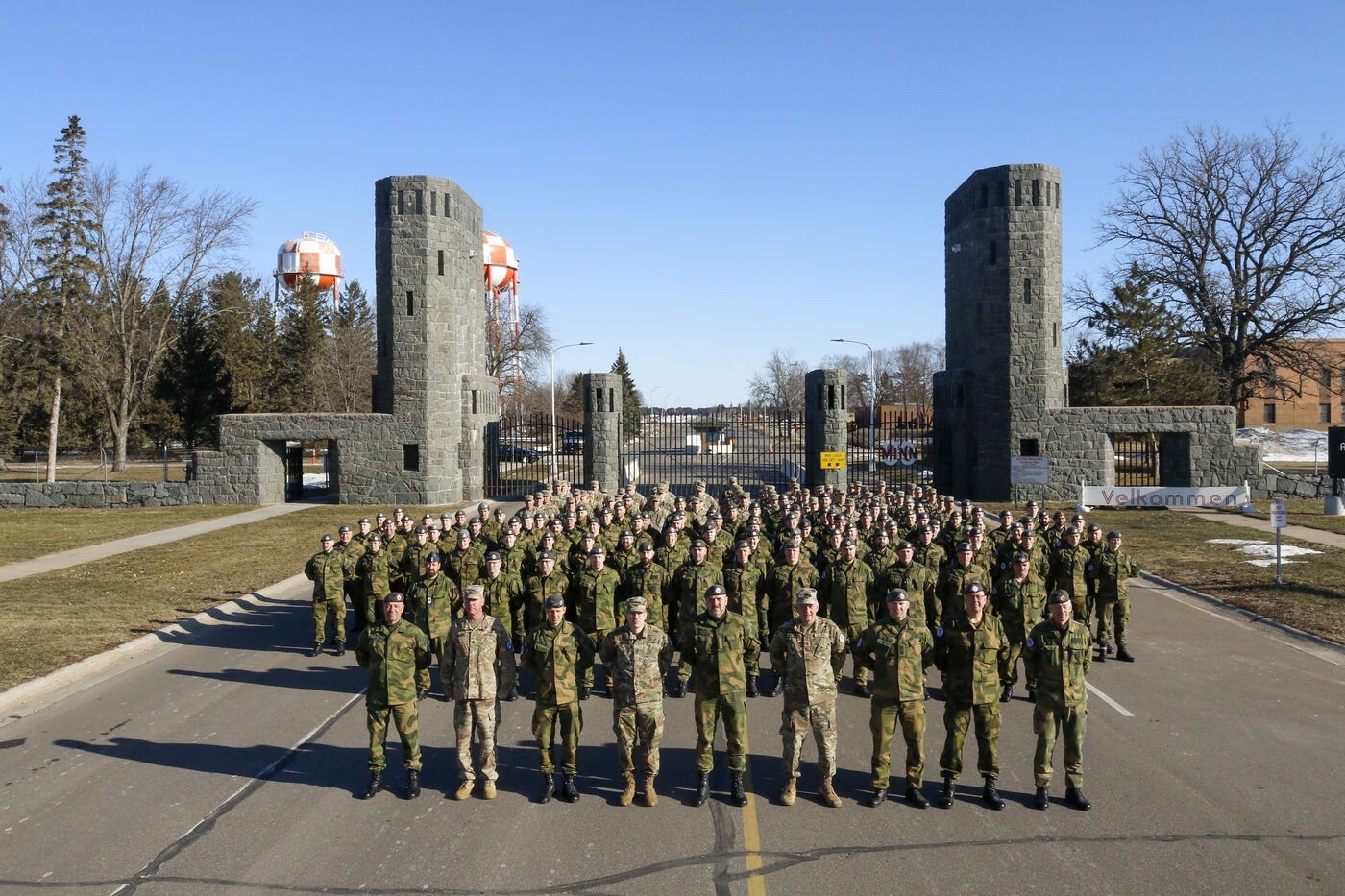
Camp Ripley (Minnesota National Guard Training Center)
Camp Ripley is a Minnesota Army National Guard training reservation located on the west side of the Mississippi River northwest of Little Falls, in Morrison County. The site was named in 1930 after the nearby nineteenth century Fort Ripley, and construction began that decade with help from the Civilian Conservation Corps. Today it spans more than 53,000 acres and serves as the primary field training site for the Minnesota Army National Guard, hosting units, state partners, and military and civilian organizations from across the region. It is one of the largest National Guard training facilities in the country and is well known for its winter warfare training course. The installation typically employs several hundred to roughly a thousand personnel.
Like many installations where firefighting foam was used for decades, Camp Ripley has been the subject of concerns about potential exposure to a group of long lasting industrial chemicals. The Minnesota National Guard began investigating the historic use of these chemicals at the camp in 2019, and the contamination has since been tracked toward nearby private drinking water wells.
- AFFF (aqueous film forming foam): AFFF is a firefighting foam that was widely used by the military for suppressing fuel fires and for fire training. At Camp Ripley it was reportedly used for testing and training until 2017, and investigators identified eight areas on the installation where the foam may have been stored or used. AFFF is the primary source of the per- and polyfluoroalkyl substances found in the surrounding environment, and concerns about its use center on the chemicals it contains.
- PFAS (per- and polyfluoroalkyl substances): PFAS are a large class of human made chemicals that do not readily break down in the environment and can accumulate in the body over time. PFAS associated with foam use at Camp Ripley has leached toward nearby drinking water wells. Of roughly 30 wells tested near the camp's boundaries, all showed some level of PFAS, and these substances have been associated in some studies with various health effects.
- PFOS (perfluorooctane sulfonate): PFOS is one of the specific PFAS compounds historically found in older firefighting foam formulations. It was among the contaminants of concern in the Camp Ripley investigation. Research has associated elevated PFOS exposure with potential effects on the immune system and other health concerns.
- PFOA (perfluorooctanoic acid): PFOA is another individual PFAS compound linked to historic foam and industrial use. The federal screening level applied near Camp Ripley combined PFOA and PFOS, and one tested well exceeded that level. PFOA has been associated in some research with potential effects on cholesterol, the liver, and certain cancers, though findings continue to be studied.
Camp Ripley is a Department of Defense listed PFAS investigation site rather than a federal Superfund (National Priorities List) site. The Minnesota National Guard, working with the Department of Defense and in coordination with Minnesota environmental authorities, has carried out soil and groundwater sampling and tested nearby residential wells. Where a well exceeded the federal screening level of 70 parts per trillion for combined PFOA and PFOS, the response included providing bottled water or a temporary filter, and a filtration system was installed. Investigation and monitoring of the affected areas have continued.
Veterans, Guard members, and others who trained or worked at Camp Ripley and who have questions about possible exposure are encouraged to stay informed as testing and cleanup efforts continue. Anyone with health concerns may wish to discuss their service history with the U.S. Department of Veterans Affairs, which can provide current guidance on screening, benefits, and care related to environmental exposures.
Were you stationed at a contaminated site?
The PACT Act of 2022 added more than 20 presumptive conditions for toxic exposure, including many cancers, and there is no deadline to file a VA claim.
This page is for informational purposes only and is not medical or legal advice. Consult a qualified professional about your health or benefits.
Discussion
No approved comments yet.