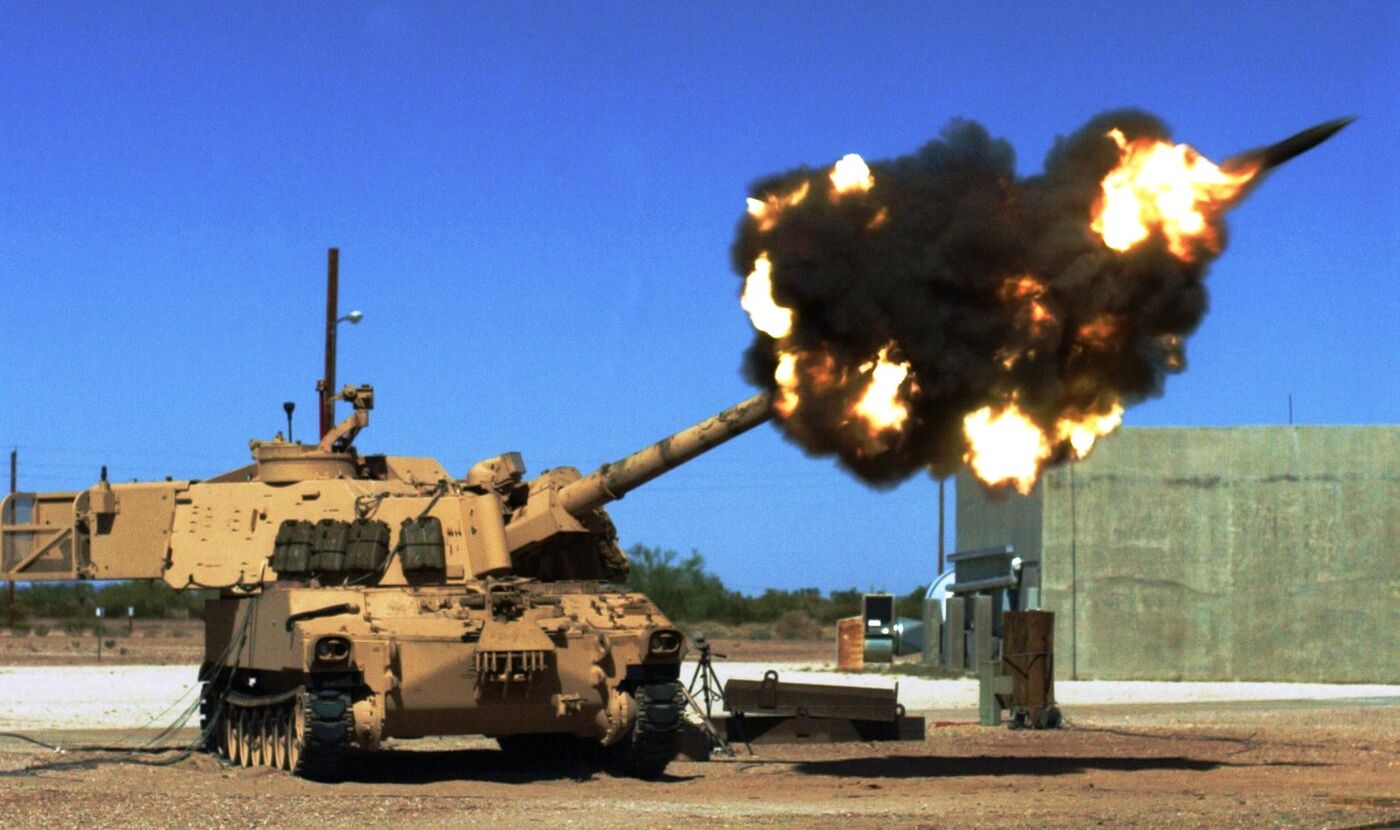
U.S. Army Yuma Proving Ground
U.S. Army Yuma Proving Ground (YPG) is one of the largest military installations in the world, occupying more than 1,300 square miles of desert terrain in southwestern Arizona. The site was first used by the military in 1942 and was developed beginning in 1943 as a testing ground for bridges, river crossing equipment, vehicles, and boats. After a brief closure, it reopened in 1951 as Yuma Test Station with an expanded artillery testing mission, and it received its current name in 1963. Today YPG serves as the Army's premier facility for testing weapons, munitions, aircraft armament, and equipment under extreme desert conditions, helping ensure that systems issued to soldiers function safely and as intended.
Decades of weapons testing, firefighting operations, and related industrial activity have raised concerns about potential exposure to several environmental contaminants on and around the installation. The contaminants below have been documented in connection with the site, and each carries health concerns that researchers continue to study.
- PFAS: PFAS (per- and polyfluoroalkyl substances) are a large family of synthetic chemicals valued for their resistance to heat, water, and oil. At Yuma Proving Ground, PFAS are associated with the past use of firefighting foams during fire suppression and training. Data obtained by the Environmental Working Group under the Freedom of Information Act showed PFAS in the installation's drinking water at 66.6 parts per trillion, with detections recorded between 2016 and 2018, the highest level reported among Arizona's seven contaminated Army installations. Exposure to certain PFAS has been associated in some studies with effects on the immune system, cholesterol levels, and other health outcomes.
- PFOS: PFOS (perfluorooctane sulfonate) is one of the most widely studied individual PFAS compounds and was historically a key ingredient in firefighting foams used at military sites such as YPG. PFOS does not break down readily in the environment and can accumulate in the human body over time, which is why concerns about potential long term exposure persist.
- PFOA: PFOA (perfluorooctanoic acid) is another individual PFAS compound that appeared in older firefighting foam formulations and various industrial products. Like related compounds, PFOA is persistent and has been associated in scientific literature with a range of potential health concerns, prompting continued monitoring of affected water supplies.
- AFFF: AFFF (aqueous film-forming foam) is the firefighting foam widely used by the military to suppress fuel fires and during firefighter training. AFFF is regarded as the primary source of the PFAS, PFOS, and PFOA detected at installations like Yuma Proving Ground. The Department of Defense has worked to phase out PFAS containing AFFF, and concerns about exposure relate chiefly to the chemicals these foams introduced into soil and groundwater.
Yuma Proving Ground is not listed on the National Priorities List (Superfund). Environmental investigation and cleanup at the installation are carried out under the Department of Defense Installation Restoration Program with oversight from the Arizona Department of Environmental Quality (ADEQ). Multiple restoration sites have been managed at YPG, with some remediation activities completed and others, including records of decision for additional sites, advancing through the regulatory process. PFAS sampling and assessment at military installations nationwide remain ongoing as the Defense Department continues to evaluate the extent of contamination.
Veterans, family members, and others who lived or worked at Yuma Proving Ground may wish to stay informed as environmental assessments and cleanup work continue. Anyone with questions about possible exposure and related health matters is encouraged to speak with the U.S. Department of Veterans Affairs, which can provide current guidance on benefits, screening, and care.
Were you stationed at a contaminated site?
The PACT Act of 2022 added more than 20 presumptive conditions for toxic exposure, including many cancers, and there is no deadline to file a VA claim.
This page is for informational purposes only and is not medical or legal advice. Consult a qualified professional about your health or benefits.
Discussion
No approved comments yet.