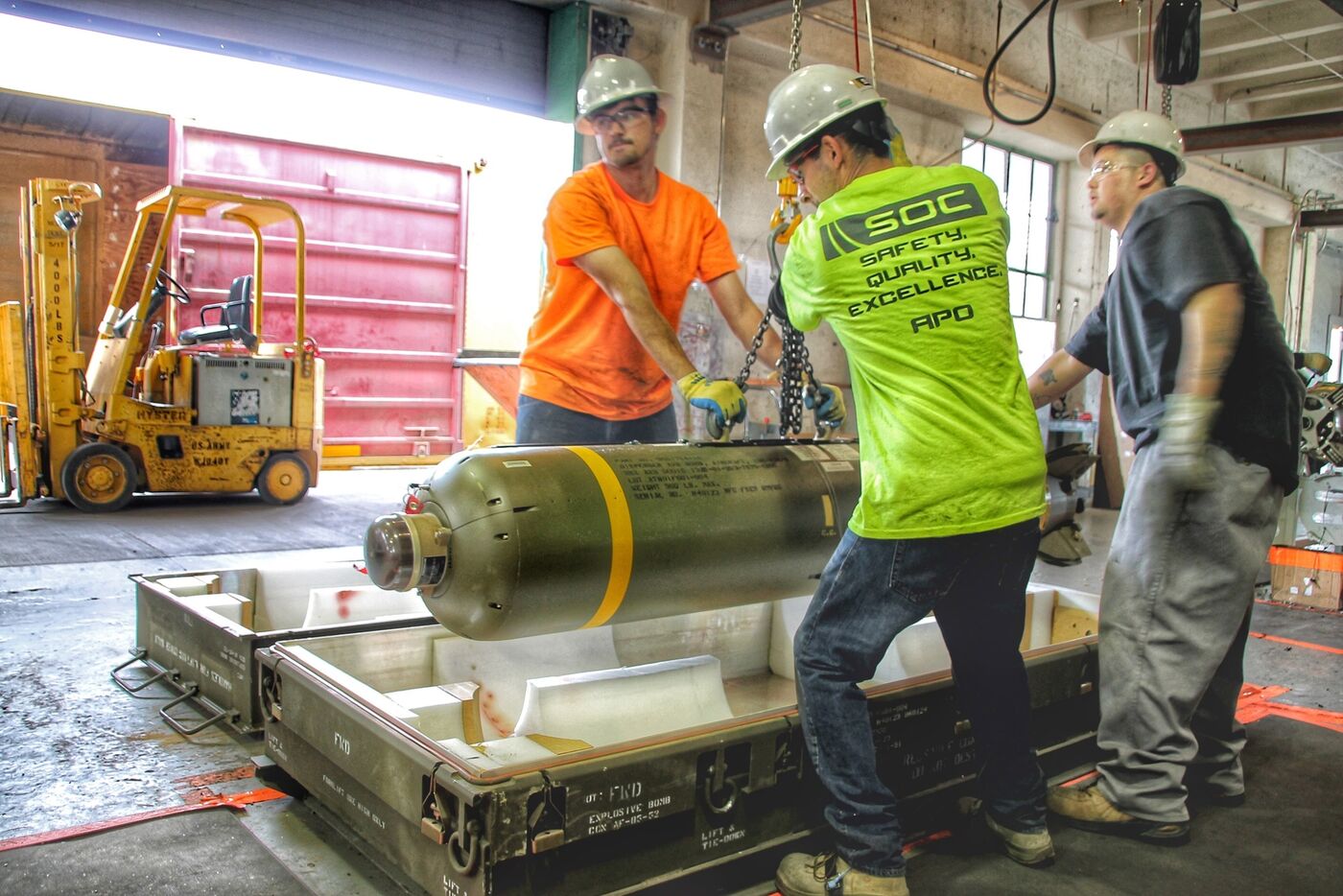
Hawthorne Army Depot
Hawthorne Army Depot is a large U.S. Army ammunition storage and demilitarization installation located near the town of Hawthorne in Mineral County, in western Nevada. The site began as a Navy facility, with construction starting in 1928 and the depot opening in 1930, and it became a major staging area for bombs, rockets, and ammunition during World War II. The installation was transferred to the Army in 1977 and received its current name, Hawthorne Army Depot, in 1994. Today the depot covers roughly 147,000 acres and remains one of the largest ammunition storage sites in the country, with thousands of bunkers and an extensive storage capacity. Its mission includes the storage, inspection, maintenance, renovation, demilitarization, and disposal of munitions.
Decades of munitions handling, fire-fighting training, and demilitarization work have raised concerns about potential environmental contamination at the depot. Federal and Army environmental programs have documented several substances of interest, and investigations have examined whether releases reached soil and groundwater. The following items summarize the documented contaminants and the hedged health concerns that have been associated with them.
- PFAS (per- and polyfluoroalkyl substances): PFAS are a broad family of synthetic chemicals valued for their resistance to heat, water, and oil, and they persist in the environment for very long periods. The Army Environmental Command conducted a preliminary assessment and site inspection at Hawthorne Army Depot under the CERCLA framework to evaluate areas where PFAS-containing materials may have been used, stored, or released. PFAS exposure has been associated in some studies with possible health effects, and the Department of Veterans Affairs has acknowledged ongoing concerns about potential exposure.
- AFFF (aqueous film-forming foam): AFFF is a fire-fighting foam that the Department of Defense began using in the 1970s to suppress fuel fires, and it has been a significant source of PFAS (including PFOS and PFOA) reaching groundwater on military installations. At Hawthorne Army Depot, AFFF-related PFAS contamination is among the concerns examined in the depot's PFAS site inspection. Concerns about potential exposure through affected water have been raised in connection with this class of foam.
- RDX and other explosives: RDX is a powerful military explosive, and related compounds such as TNT and ammonium picrate have also been associated with munitions operations. At Hawthorne, drainage ditches and pits reportedly received wastewater containing explosives-related compounds over a period of decades, and elevated levels of explosives and metals were documented in soil along with volatile organic compounds in groundwater. Exposure to explosives-related residues has been associated in the scientific literature with possible health concerns, which is why such sites are monitored and remediated.
Hawthorne Army Depot is not listed on the National Priorities List (Superfund). Environmental work at the installation is managed through the Army's environmental restoration and cleanup program, with state oversight from Nevada environmental authorities. Groundwater monitoring at the depot began in 1989, explosives-contaminated soils were treated using windrow composting, and the PFAS preliminary assessment and site inspection were undertaken to determine whether further investigation, removal action, or no further action is warranted.
Veterans, civilian employees, and family members who lived or worked at Hawthorne Army Depot may wish to stay informed as environmental investigations continue and as findings are released. Those with questions about potential exposure are encouraged to keep records of their service and to speak with the U.S. Department of Veterans Affairs about screening, benefits, and any health concerns they may have.
Were you stationed at a contaminated site?
The PACT Act of 2022 added more than 20 presumptive conditions for toxic exposure, including many cancers, and there is no deadline to file a VA claim.
This page is for informational purposes only and is not medical or legal advice. Consult a qualified professional about your health or benefits.
Discussion
No approved comments yet.