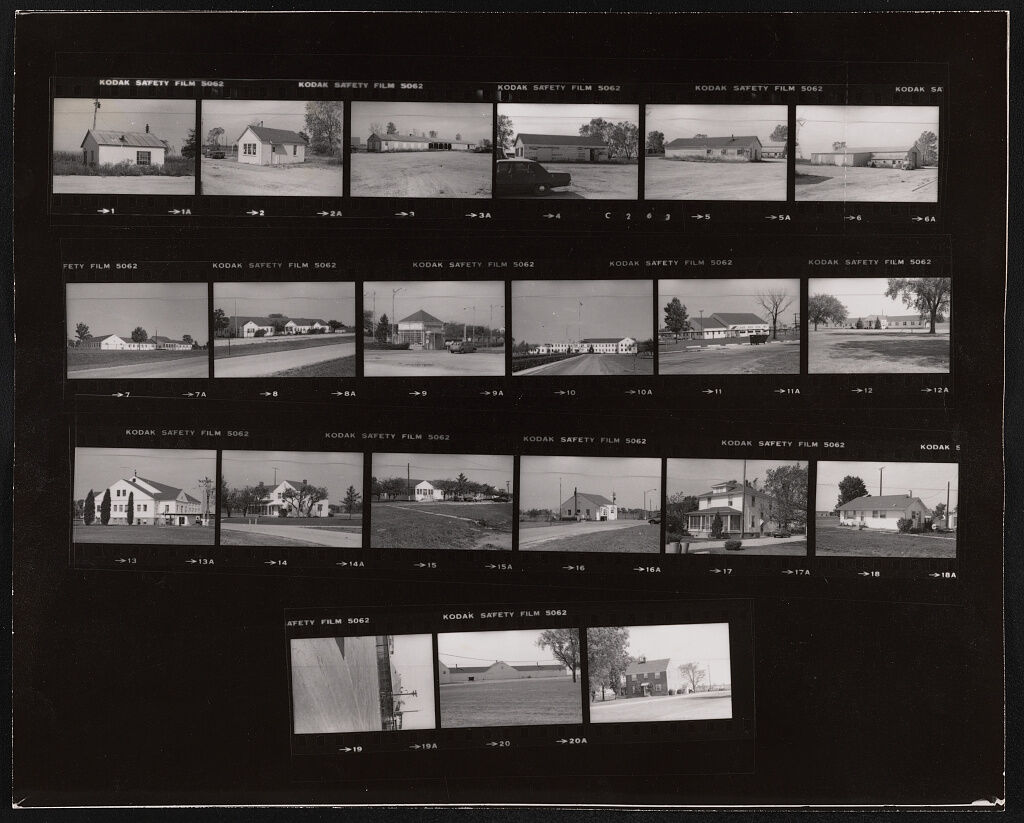
Joliet Army Ammunition Plant
The Joliet Army Ammunition Plant was a major Army munitions facility located in Will County, Illinois, about ten miles south of the city of Joliet. Established in the early 1940s, it operated as one of the nation's largest producers and handlers of military explosives, with a manufacturing area that produced TNT and RDX and a separate load, assemble and pack area where high explosive artillery shells, bombs, mines and small arms ammunition were filled and packaged. Production activity ran into the late 1970s, and the broader property was used by the Army for several decades before the installation was closed and largely transferred for redevelopment. Over its operating life the plant produced an enormous volume of explosives, much of which is known to persist in the environment for long periods. Today portions of the former installation have been redeveloped as the Midewin National Tallgrass Prairie, the Abraham Lincoln National Cemetery and several business parks.
Because of the scale and type of munitions work performed here, the plant has been associated with environmental contamination in soil and groundwater, and there have been concerns about potential exposure among personnel who worked at or near the production and packing areas.
- Explosives (TNT, RDX, DNT and tetryl): These are energetic compounds used to manufacture, load and assemble artillery shells, bombs and other ordnance, and they were the central products of this plant. Residues from manufacturing and packing operations have been documented in site soil and groundwater. Long term exposure to certain explosive compounds has been associated in some studies with effects on the blood, liver and nervous system, which has prompted concerns about historical exposure.
- Volatile organic compounds, including TCE: Volatile chlorinated solvents such as trichloroethylene were commonly used for degreasing equipment and cleaning parts at munitions operations. Volatile chlorinated solvents have been identified among the contaminants of concern at the site. Trichloroethylene has been associated in research with concerns about potential effects on the kidneys, liver and immune system.
- PCBs: Polychlorinated biphenyls are man made chemicals once widely used in electrical equipment and industrial settings, and they were among the contaminants documented at the installation. PCBs break down slowly and can persist in soil. They have been associated in some studies with a range of potential health concerns, which is why their presence at former defense sites draws attention.
- Heavy metals: Metals were associated with munitions components, firing residues and waste handling, and they were identified as contaminants of concern in site soils. Depending on the specific metal and the level of exposure, heavy metals have been associated with concerns about effects on the nervous system, kidneys and other organs.
Both portions of the facility were addressed under the federal Superfund program. The manufacturing area was added to the National Priorities List on July 21, 1987, and the load, assemble and pack area was listed on March 31, 1989. Cleanup proceeded under a Federal Facility Agreement involving the U.S. Environmental Protection Agency, the Illinois EPA and the U.S. Army, and included soil excavation and treatment along with groundwater monitoring. Construction completion was reported in 2008, and the sites moved into long term operation and maintenance.
Veterans and civilian workers who spent time at the Joliet Army Ammunition Plant may wish to stay informed about the site's environmental history and ongoing monitoring. Anyone with questions about possible exposure and related health concerns is encouraged to speak with the U.S. Department of Veterans Affairs or a qualified health care provider, who can offer guidance based on individual circumstances.
Were you stationed at a contaminated site?
The PACT Act of 2022 added more than 20 presumptive conditions for toxic exposure, including many cancers, and there is no deadline to file a VA claim.
This page is for informational purposes only and is not medical or legal advice. Consult a qualified professional about your health or benefits.
Discussion
No approved comments yet.