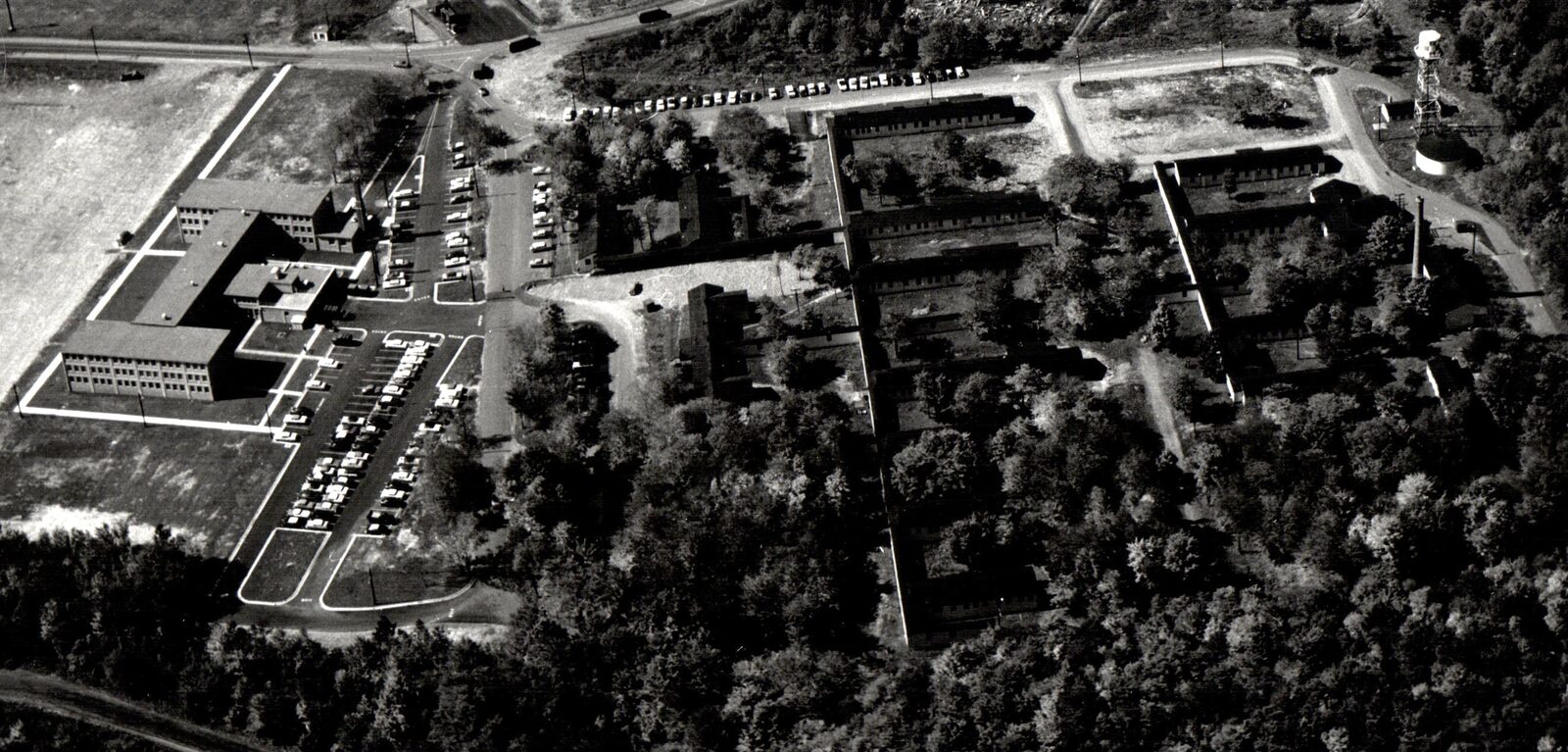
Tobyhanna Army Depot
Tobyhanna Army Depot is a United States Army installation in the Pocono Mountains of Monroe County, Pennsylvania. The land first served as a military training and artillery range in the early 1900s, and the modern depot was established on February 1, 1953 as the Tobyhanna Signal Depot before being renamed Tobyhanna Army Depot in 1962. Today it is the largest full service electronics maintenance facility in the Department of Defense, designated by the Army as its Center of Industrial and Technical Excellence for C4ISR systems, electronics, avionics, and missile guidance and control. Over its decades of operation, thousands of soldiers, civilian employees, and family members have lived and worked at the depot.
There are concerns about potential carcinogenic health hazards at Tobyhanna Army Depot due to exposure to various environmental contaminants documented at the installation:
- Solvents and other volatile organic compounds (VOCs): VOCs are chemicals commonly found in industrial degreasers and cleaning solvents used to maintain electronic and mechanical equipment. According to the EPA, during the 1950s and early 1960s portions of the depot were used for drum staging and for the burning and disposal of garbage, construction rubble, scrap metal, drums, and solvents, and an on-post landfill that operated from 1963 to 1979 received plating wastes, sewage treatment sludge, ash, and construction debris. These past activities contaminated groundwater, soils, and sediments with VOC solvents and inorganic contaminants. Long term exposure to certain VOC solvents has been associated in some studies with potential health effects, including an elevated risk of certain cancers.
- PFAS (per- and polyfluoroalkyl substances): PFAS are man-made chemicals, often called "forever chemicals" because they break down very slowly in the environment and the human body. They were a key ingredient in AFFF firefighting foam, which the military used for decades in fire training and emergency response. At Tobyhanna, the Army is investigating the extent of PFAS compounds found in groundwater, which may be present due to past use of AFFF firefighting foam and chromium plating activities, and PFBS, one PFAS compound, has been reported in groundwater at the depot at 880 parts per trillion. Both the EPA and the Senate Environment and Public Works Committee have listed Tobyhanna among Superfund sites with confirmed PFAS contamination. Exposure to certain PFAS compounds has been associated with potential health concerns, including kidney and testicular cancer, thyroid disorders, and effects on the immune system.
Tobyhanna Army Depot was added to the EPA's National Priorities List of Superfund sites in August 1990. The site reached construction complete status in September 2000, meaning the planned cleanup remedies were built and operational, and the EPA deleted part of the site from the National Priorities List in 2001. Two operable units with groundwater contamination remain on the list, the Army continues to operate and monitor the in-place remedies while completing its PFAS investigation, and the next five-year review is scheduled for 2027.
It's important to note that while there are concerns about potential exposure to these contaminants at Tobyhanna Army Depot, establishing definitive links between specific exposures and individual health conditions can be complex. Ongoing research and environmental monitoring continue to shape what is known about these substances and their possible long term effects. Veterans and others who served or worked at the depot may wish to stay informed about the ongoing PFAS investigation, document their service history, and consult the Department of Veterans Affairs about health registries, screenings, and any benefits for which they may be eligible.
Were you stationed at a contaminated site?
The PACT Act of 2022 added more than 20 presumptive conditions for toxic exposure, including many cancers, and there is no deadline to file a VA claim.
This page is for informational purposes only and is not medical or legal advice. Consult a qualified professional about your health or benefits.
Discussion
No approved comments yet.