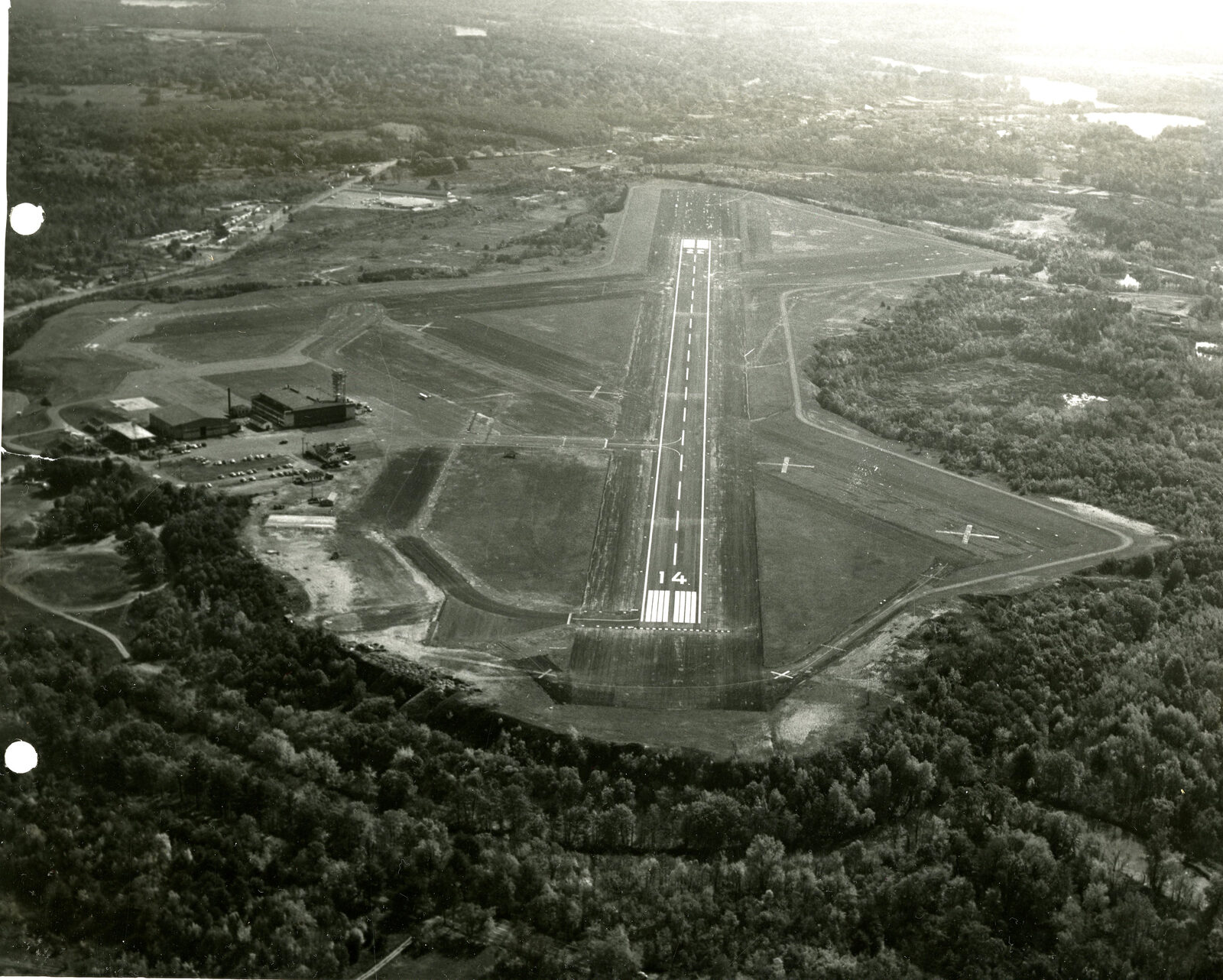
Fort Devens
Fort Devens is a former U.S. Army installation located about 35 miles northwest of Boston, spanning portions of the towns of Ayer, Shirley, Harvard, and Lancaster, Massachusetts. It was established in September 1917 as Camp Devens, a training cantonment for soldiers heading to World War I, and became a permanent installation in 1931, receiving the name Fort Devens in 1932. Over nearly eight decades the roughly 9,000-acre post trained Army divisions during both World Wars, hosted the Army Security Agency Training Center and School beginning in 1951, and supported vehicle maintenance, weapons training, fueling, and waste disposal operations. The base was closed in 1996 under the Base Realignment and Closure process, and much of the property has since been transferred for civilian redevelopment, while a portion remains in use as the Devens Reserve Forces Training Area.
There are concerns about potential carcinogenic health hazards at Fort Devens, stemming from possible exposure to several environmental contaminants documented on the former post:
- TCE (trichloroethylene): TCE is an industrial solvent commonly used by the military for degreasing vehicles, weapons, and equipment. At Fort Devens, TCE was found in soil and groundwater, and cleanup work included in-place vacuum extraction of TCE-contaminated soil in a spill area. Exposure to TCE has been associated with kidney cancer and other serious health conditions.
- Benzene: Benzene is a volatile organic compound found in fuels and petroleum products, which were handled extensively during fueling and vehicle maintenance operations at the base. Benzene exposure has been linked in research to leukemia and other blood-related illnesses.
- PCBs (polychlorinated biphenyls): PCBs were widely used in electrical equipment and industrial applications before being banned, and they were identified among the contaminants at Fort Devens disposal and operational areas. PCBs are considered probable human carcinogens, and exposure has been associated with various adverse health effects.
- Solvents and other volatile organic compounds: Beyond TCE and benzene, a range of solvents used in maintenance and cleaning operations contributed to VOC contamination of groundwater at the site. Long-term exposure to such compounds may potentially be linked to a variety of health concerns.
- Heavy metals: Metals, most notably arsenic, were detected in groundwater and sediments at the former base, including in the area of an on-site landfill. Arsenic is a known human carcinogen, and concerns remain about potential exposure where contamination persists.
- PFAS (per- and polyfluoroalkyl substances): In 2016, the Army began a Superfund evaluation after PFOS and PFOA were detected in groundwater and in municipal water supply wells serving Devens and the Town of Ayer. These chemicals are associated with AFFF, a firefighting foam used at military installations, and a site-wide PFAS remedial investigation began in 2018. Emerging research suggests PFAS exposure may potentially be linked to certain cancers and other health conditions.
The EPA added Fort Devens to the Superfund National Priorities List in 1989. Of 324 sites initially identified across the installation, 54 required further investigation. Cleanup actions have included providing a public water supply, excavating landfill waste and contaminated sediments, treating contaminated soil and groundwater, and applying land-use controls. Most areas are now in long-term monitoring, with some cleanup and the PFAS investigation still ongoing, and the EPA continues to conduct five-year reviews of the remedies.
It is important to recognize that while concerns exist about potential exposure to these contaminants at Fort Devens, establishing definitive links between service at a specific installation and later illness can be complex, and research into these connections continues. Veterans who served at Fort Devens are encouraged to stay informed about the ongoing investigations and to consult with the VA regarding any health concerns or potential benefits.
Were you stationed at a contaminated site?
The PACT Act of 2022 added more than 20 presumptive conditions for toxic exposure, including many cancers, and there is no deadline to file a VA claim.
This page is for informational purposes only and is not medical or legal advice. Consult a qualified professional about your health or benefits.
Discussion
No approved comments yet.