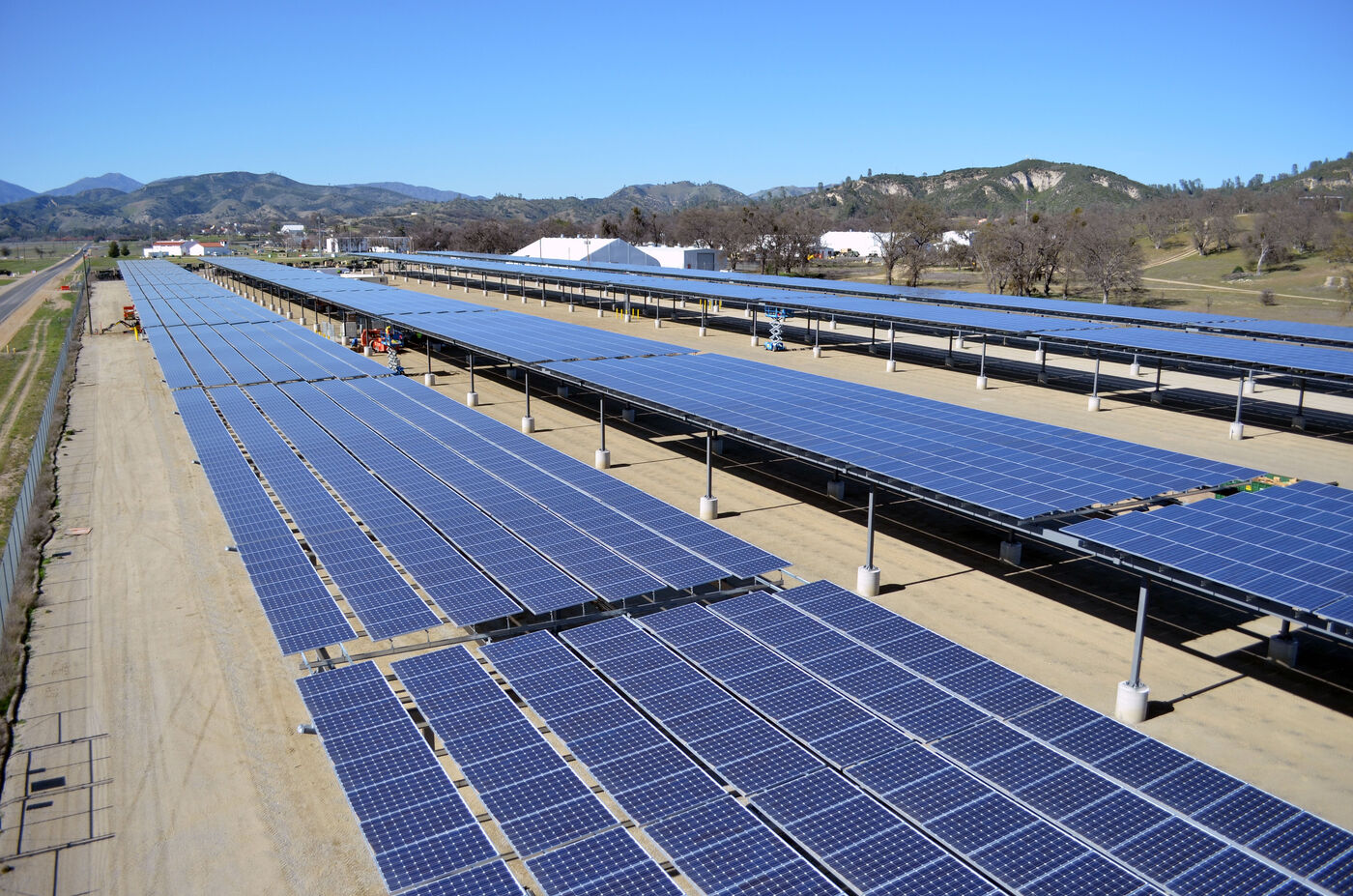
Fort Hunter Liggett
Fort Hunter Liggett is a United States Army installation located in the San Antonio Valley of southern Monterey County, California, near the community of Jolon. The War Department purchased more than 200,000 acres in 1940, and the site was designated the Hunter Liggett Military Reservation in 1941, taking its name from Lieutenant General Hunter Liggett, a World War I corps commander. The reservation was redesignated Fort Hunter Liggett in 1975, and in 1993 it came under the United States Army Reserve Command. Today it is the largest Army Reserve installation, providing roughly 160,000 acres of training areas, ranges, and airspace that support field maneuvers, live fire exercises, testing, and institutional training. Its long history of training, maintenance, and support operations has left a legacy of environmental investigation at several locations on the post.
As with many installations where industrial solvents and firefighting materials were used over decades, environmental sampling at Fort Hunter Liggett has identified several contaminants in groundwater, surface water, and parts of the drinking water supply. These findings have prompted ongoing investigation and cleanup, and they have raised concerns about potential exposure for personnel, residents, and visitors.
- Trichloroethylene (TCE): TCE is a chlorinated solvent historically used for degreasing metal parts and equipment. At Fort Hunter Liggett, TCE has been detected in groundwater and in San Antonio Creek surface water, and it has been the focus of remediation efforts on the post. Exposure to TCE has been associated with a range of health concerns in scientific and regulatory reviews, which is part of the reason the contamination has been actively addressed.
- Cis-1,2-dichloroethene and vinyl chloride: These compounds are breakdown products that can form as solvents like TCE degrade in the environment. Both have been detected alongside TCE in San Antonio Creek and groundwater at the installation. Vinyl chloride in particular has been associated with potential health effects in regulatory assessments, and its presence has informed the choice of cleanup methods used at the site.
- Per- and polyfluoroalkyl substances (PFAS): PFAS are a large family of synthetic chemicals that were widely used in firefighting foams and that resist breaking down in the environment. In 2016, the Army tested four wells supplying the drinking water treatment system at Fort Hunter Liggett, and one well returned a result of approximately 330 parts per trillion, exceeding the EPA lifetime health advisory level of 70 parts per trillion in place at the time. That well was removed from service, and finished water has tested below the advisory since. PFAS exposure has been the subject of growing concern in public health research.
Fort Hunter Liggett is not listed on the National Priorities List as a federal Superfund site. The solvent contamination is being addressed under a state-overseen cleanup program coordinated with the California Regional Water Quality Control Board, Central Coast Region. Since 2009, remediation has included carbon substrate injection, specialty microbe addition, and groundwater recirculation for enhanced in-situ bioremediation, along with groundwater extraction and treatment, often described as pump-and-treat. Concentrations of TCE, cis-1,2-dichloroethene, and vinyl chloride in San Antonio Creek have reportedly not exceeded their maximum contaminant levels since August 2022. For PFAS, the Army has completed a preliminary assessment and site inspection and is proceeding under the CERCLA remedial investigation process.
Veterans, family members, and civilian staff who lived or worked at Fort Hunter Liggett may wish to stay informed as cleanup and PFAS investigation continue. Those with questions about their health or eligibility for benefits are encouraged to speak with the U.S. Department of Veterans Affairs and to keep records of their service locations and dates.
Were you stationed at a contaminated site?
The PACT Act of 2022 added more than 20 presumptive conditions for toxic exposure, including many cancers, and there is no deadline to file a VA claim.
This page is for informational purposes only and is not medical or legal advice. Consult a qualified professional about your health or benefits.
Discussion
No approved comments yet.