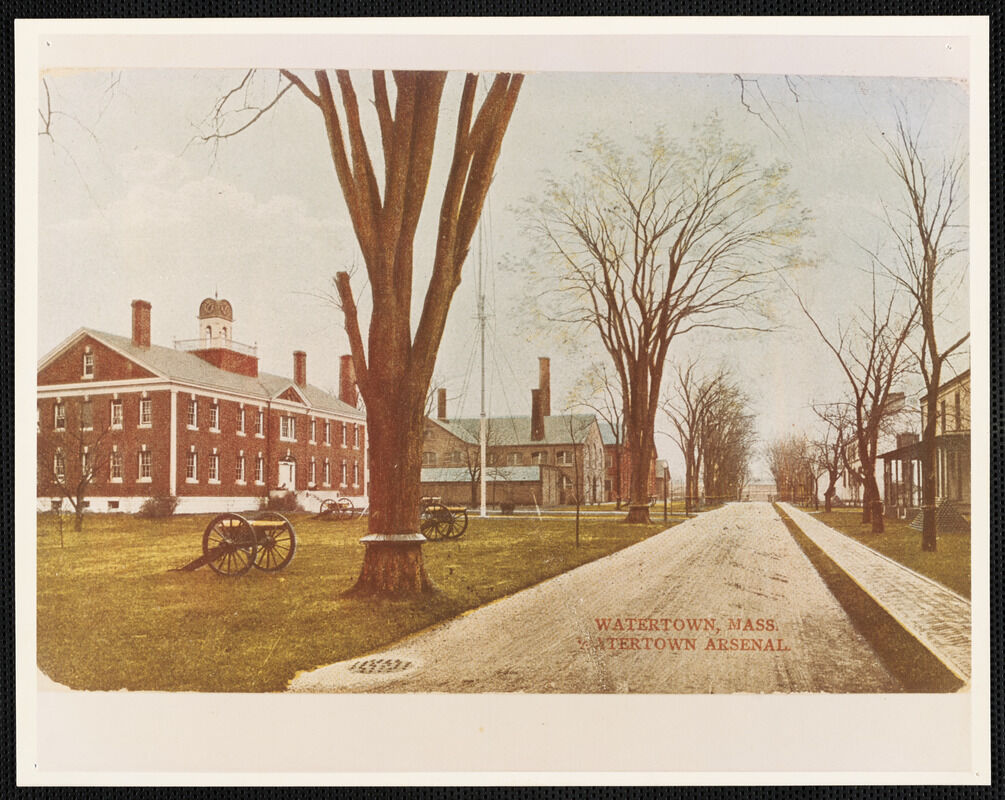
Watertown Arsenal (Army Materials Technology Laboratory)
Watertown Arsenal, later home to the Army Materials Technology Laboratory, was a United States Army installation in Watertown, Middlesex County, Massachusetts. Established in 1816, it began as a storage and maintenance site for small arms and gradually expanded its mission to include ammunition and pyrotechnics production, materials testing, and the manufacture of guns and cartridges. By the end of World War II the facility covered roughly 131 acres and employed thousands of workers. In the postwar decades it became a center for materials research, and the Army's first materials research nuclear reactor was completed there in 1960 and operated until it was deactivated in 1970. The installation was recommended for closure under the Defense Base Realignment and Closure process in 1988 and shut down in 1995.
Decades of weapons research, munitions work, and materials testing left a range of contaminants in soil and groundwater at the site. Environmental investigations identified concerns about potential exposure to radioactive materials, heavy metals, industrial solvents, and other compounds. The items below summarize the documented contaminants and the hedged health concerns that have been associated with them.
- Radiation (radiological contamination): Radioactive material refers to substances that emit ionizing radiation. At this site, nuclear reactor operations and the past handling and burning of depleted uranium left elevated radiological readings in some soils. Exposure to ionizing radiation has been associated with an increased risk of certain cancers and other health effects, depending on the dose and duration of exposure.
- Heavy metals: Heavy metals such as uranium and other inorganic elements were detected above background levels as a result of arms manufacturing, materials research, and related operations. Long term exposure to some heavy metals has been associated with kidney, neurological, and other health concerns, though effects vary by metal and exposure level.
- Solvents: Industrial solvents, including trichloroethylene TCE and tetrachloroethylene (PCE), were used in metalworking, degreasing, and laboratory activities and were found in site soils and groundwater. These solvents have been associated with concerns about potential health effects, and TCE in particular has been studied in connection with several cancers and other conditions.
- PCBs: Polychlorinated biphenyls PCBs are synthetic chemicals once used in electrical equipment, hydraulic systems, and other industrial applications. PCBs were detected above background concentrations at the site. Exposure to PCBs has been associated with a variety of potential health concerns in research literature, including effects on the immune and endocrine systems.
The Army Materials Technology Laboratory was added to the Environmental Protection Agency's National Priorities List, the federal Superfund program, on May 30, 1994. Cleanup work included demolition of the onsite nuclear reactor and associated structures, radiological decontamination, and the removal of contaminated soils. After remediation, the EPA deleted the site from the National Priorities List in September 2006, and portions of the property have since been redeveloped. Institutional controls and periodic reviews remain in place to monitor conditions.
Veterans, civilian employees, and others who spent time at Watertown Arsenal may wish to stay informed about the site's environmental history and any updates from federal and state agencies. Those with questions about possible exposures and health are encouraged to speak with the U.S. Department of Veterans Affairs or a qualified medical provider, who can offer guidance based on individual circumstances.
Were you stationed at a contaminated site?
The PACT Act of 2022 added more than 20 presumptive conditions for toxic exposure, including many cancers, and there is no deadline to file a VA claim.
This page is for informational purposes only and is not medical or legal advice. Consult a qualified professional about your health or benefits.
Discussion
No approved comments yet.