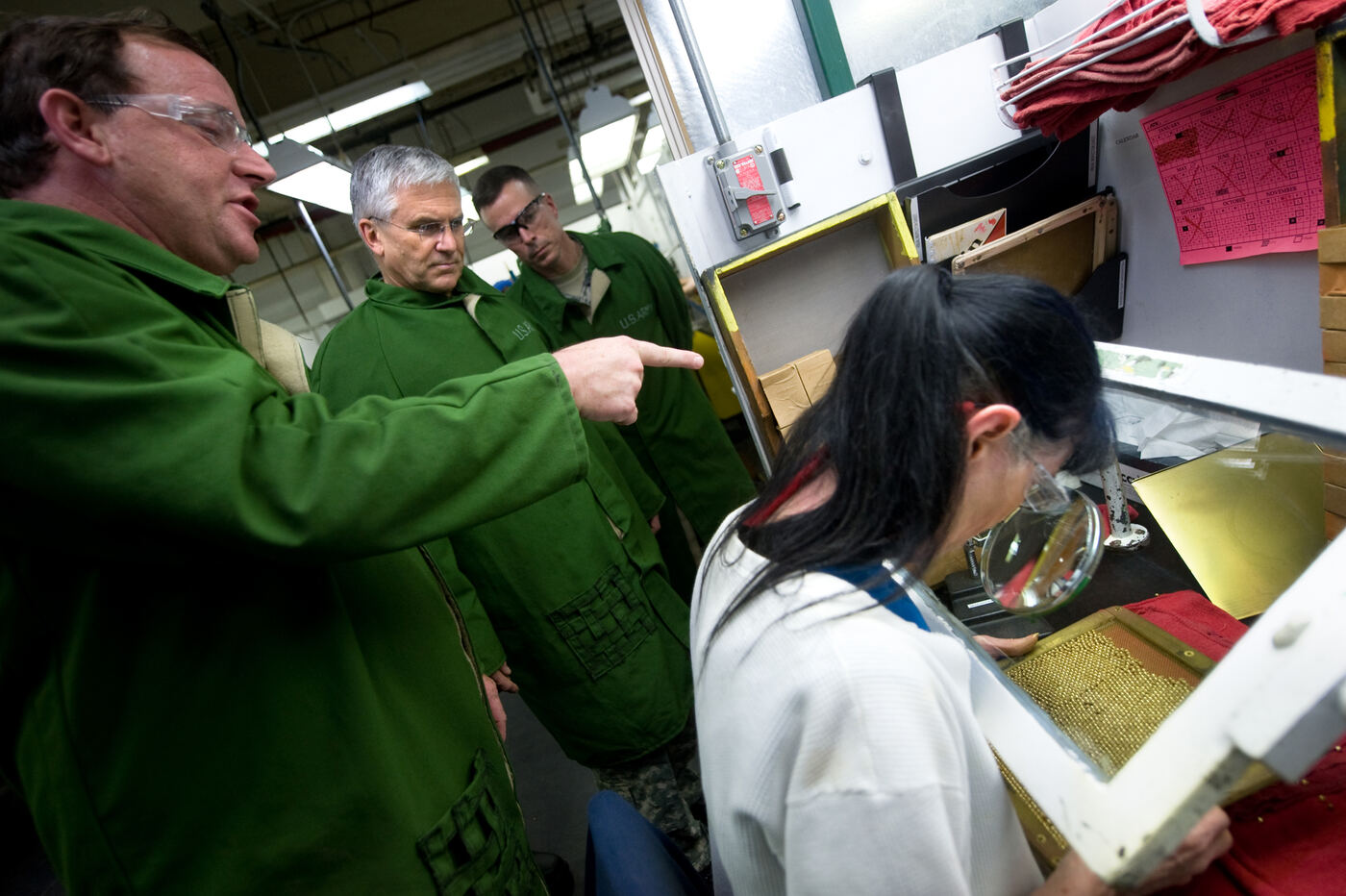
Lake City Army Ammunition Plant
Lake City Army Ammunition Plant (LCAAP) is a government-owned, contractor-operated small-caliber ammunition manufacturing facility covering roughly 3,935 acres in northeastern Independence in Jackson County, Missouri, about 20 miles east of Kansas City. The plant was established in 1941 and was originally built and operated by Remington Arms to produce ammunition for World War II. It has remained in nearly continuous production since October 1941, with the exception of a five-year pause after the war, and it is described as the largest small arms ammunition plant in the world, producing rounds in the 5.56 mm to 20 mm range for the U.S. military. The installation remains active today, with both production and environmental restoration occurring side by side.
Decades of munitions manufacturing and historical waste handling practices, including the use of waste lagoons, contaminated soil and groundwater at the plant. Investigations identified volatile and semi-volatile organic compounds, explosives, perchlorate, polychlorinated biphenyls, heavy metals, and asbestos-containing debris on site. Personnel who lived or worked at Lake City over the years have raised concerns about potential exposure to these substances.
- Trichloroethylene (TCE): TCE is an industrial solvent that was widely used for degreasing metal parts, a routine task in ammunition production at Lake City. TCE has been detected in groundwater at the plant since monitoring began in 1981, and concentrations in one area (Area 5) persisted long enough that the Army pursued targeted treatment of residual source zones. TCE exposure has been associated with potential health effects, including certain cancers, in some studies.
- Other solvents and VOCs: In addition to TCE, other volatile and semi-volatile organic compounds from cleaning and manufacturing operations were found in soil and groundwater. Long-term exposure to some VOCs has been linked in research to concerns involving the liver, kidneys, and nervous system.
- PCBs: PCBs are synthetic chemicals once common in electrical equipment and industrial fluids. PCBs were documented among the contaminants at the plant, and they are classified as probable human carcinogens by federal health agencies.
- Heavy metals: Metals associated with ammunition production, including lead, arsenic, and chromium, contaminated soils at the site. One cleanup action involved removing piles of lead-contaminated sand. Exposure to certain heavy metals has been associated with neurological, kidney, and other potential health concerns.
- Asbestos: Asbestos, a mineral fiber used in building materials such as siding and roofing, was identified in construction debris at the plant. Inhalation of asbestos fibers has been associated with mesothelioma and other serious illnesses, typically appearing decades after exposure.
The EPA placed Lake City Army Ammunition Plant on the Superfund National Priorities List on August 21, 1987. Cleanup has been organized into operable units and has included groundwater extraction and treatment, soil vapor extraction, in-situ groundwater treatment, capping and covering of former waste lagoons, excavation of contaminated soils, and removal of lead-contaminated sand. The 2020 five-year review found that TCE in Area 5 had not declined as expected, prompting additional source-area treatment, and a fifth five-year review began in 2024. Remediation, monitoring, and institutional controls continue under the oversight of the EPA and the Missouri Department of Natural Resources, with a Restoration Advisory Board meeting regularly to keep the community informed.
Veterans and civilian workers who spent time at Lake City may wish to keep up with the site's ongoing reviews and cleanup milestones. Anyone with questions about past exposure or current health concerns may find it helpful to discuss their service history with a VA health care provider and to review the latest EPA and Missouri DNR documentation for the site.
Were you stationed at a contaminated site?
The PACT Act of 2022 added more than 20 presumptive conditions for toxic exposure, including many cancers, and there is no deadline to file a VA claim.
This page is for informational purposes only and is not medical or legal advice. Consult a qualified professional about your health or benefits.
Discussion
No approved comments yet.