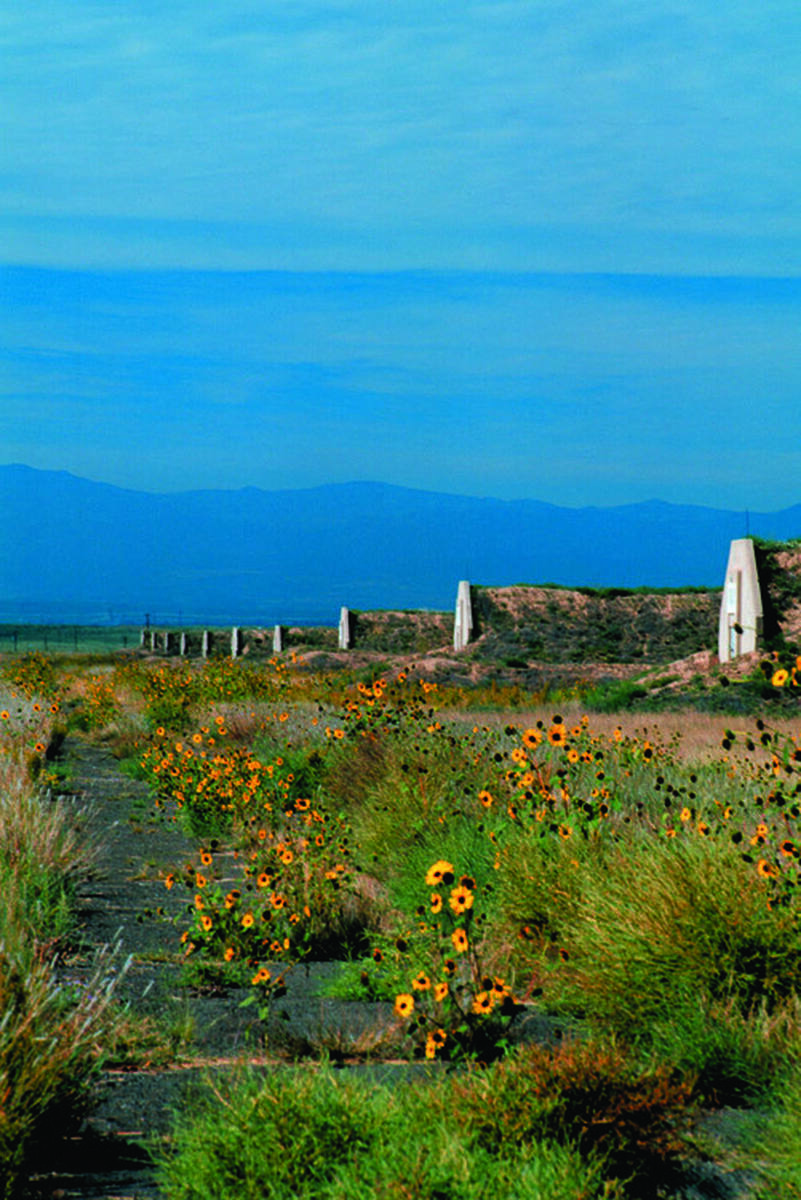
U.S. Army Pueblo Chemical Depot
The U.S. Army Pueblo Chemical Depot was a U.S. Army installation in Pueblo County, Colorado, established in 1942 as the Pueblo Ordnance Depot to store and ship ammunition and general military supplies. After World War II, the facility was expanded to remanufacture materiel, including tanks and combat vehicles, and by the 1950s its mission had shifted toward the safe storage of a stockpile of chemical munitions filled with mustard agent. Over the following decades the depot held thousands of tons of weaponized mustard agent in projectiles and mortar rounds, with destruction of the stockpile completed on June 22, 2023. The Army formally deactivated the installation on September 12, 2024, ending an 82-year legacy of operations at the site.
Decades of munitions storage, demilitarization, open burning and open detonation, and disposal activities at the depot have left behind a range of environmental contamination concerns. Investigations and remediation work have been conducted across multiple Solid Waste Management Units (SWMUs), and several documented contaminants have been associated with the site.
- RDX and other explosives. RDX is an energetic compound used in military munitions. At Pueblo, historical munitions washout, open burning, and open detonation operations released RDX along with related explosives such as TNT and HMX into the environment, producing a low-level explosives groundwater plume that reached the municipal water supply of nearby Avondale. Exposure to explosive compounds in drinking water has raised concerns about potential health effects, which is why state regulators set strict cleanup levels.
- TCE. Trichloroethylene is a volatile organic solvent that was widely used for degreasing equipment and parts. Solvent use and disposal at the depot contributed to volatile organic compounds in groundwater. TCE has been associated with concerns about potential exposure through contaminated groundwater.
- PCBs. Polychlorinated biphenyls are synthetic chemicals once used in electrical equipment, hydraulic systems, and other industrial applications. PCBs have been documented among the contamination identified at the depot. Long-term exposure to PCBs has been associated with a range of health concerns in the scientific literature.
- Asbestos. Asbestos is a fibrous mineral that was commonly used in building materials and insulation in facilities of the depot's era. Asbestos-containing materials in aging structures have been identified as a contamination concern at the site, and inhalation of asbestos fibers has been associated with serious respiratory illnesses.
- Heavy metals. Heavy metals can be released through munitions handling, demilitarization, burning, and disposal activities. Heavy metals have been documented among the contaminants investigated at the depot, and concerns about potential exposure have been raised where they occur in soil or groundwater.
The depot is not listed on the federal National Priorities List (Superfund). Cleanup of non-chemical-weapons hazards has been overseen by the U.S. Army Corps of Engineers, with regulatory oversight from the Colorado Department of Public Health and Environment (CDPHE). RCRA Facility Investigations have addressed SWMUs associated with former open burn and open detonation areas and the burial of leaking mustard agent ordnance, and a pump-and-treat program continues to address the explosives groundwater plume. Reported RDX concentrations in groundwater have declined substantially, though CDPHE has required cleanup to stringent levels.
Veterans and others who served at or lived near the Pueblo Chemical Depot may wish to stay informed about ongoing remediation and any updates on exposure concerns. Those with questions about their service history and health are encouraged to consult the U.S. Department of Veterans Affairs (VA) and their own health care providers for guidance specific to their situation.
Were you stationed at a contaminated site?
The PACT Act of 2022 added more than 20 presumptive conditions for toxic exposure, including many cancers, and there is no deadline to file a VA claim.
This page is for informational purposes only and is not medical or legal advice. Consult a qualified professional about your health or benefits.
Discussion
No approved comments yet.