Cornhusker Army Ammunition Plant
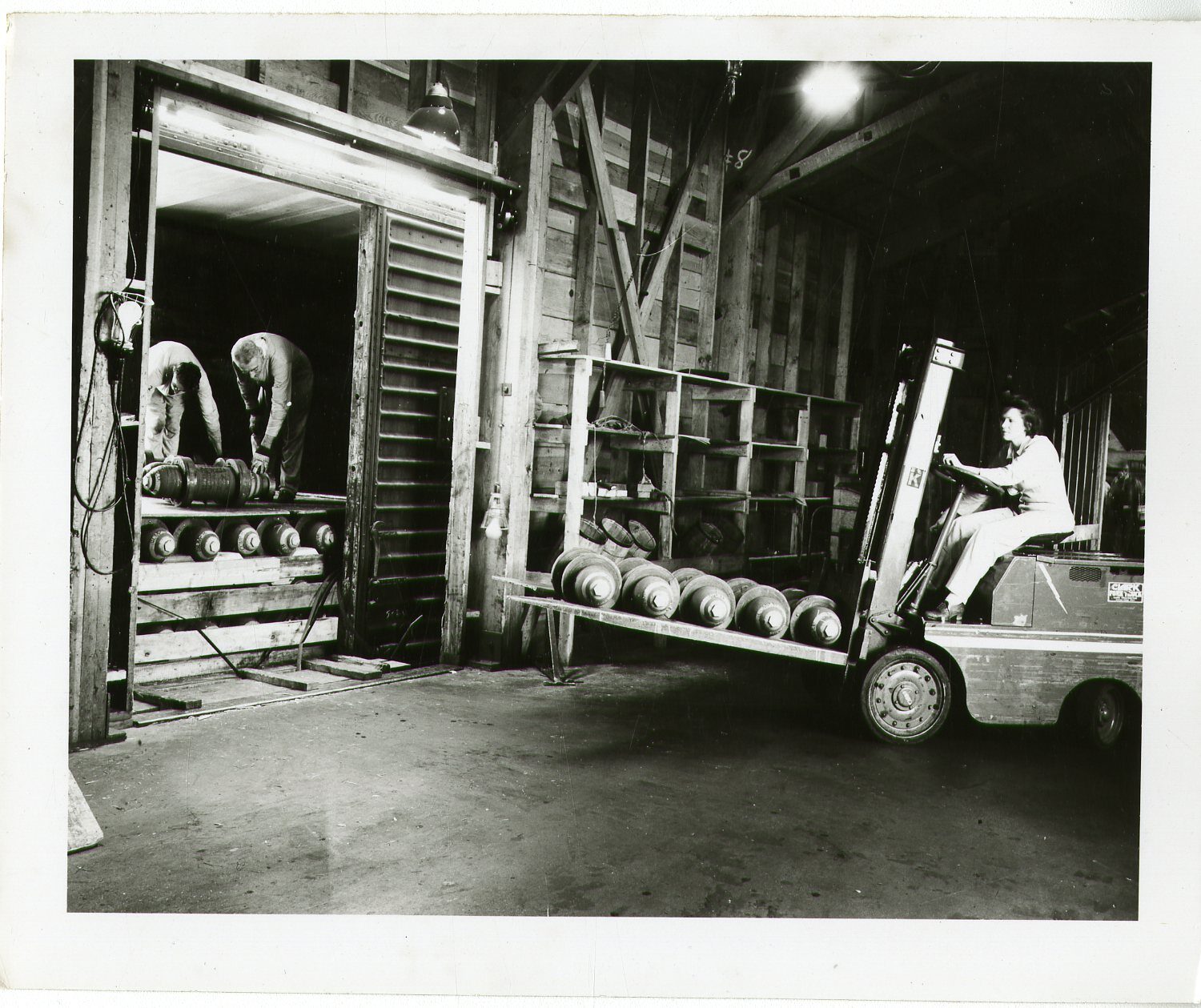
Cornhusker Army Ammunition Plant is a former U.S. Army munitions facility covering approximately 12,042 acres just west of Grand Island in Hall County, Nebraska. Constructed in 1942, the plant loaded, assembled, and packed bombs and artillery shells in support of World War II, and it operated intermittently through the Korean and Vietnam War eras before being placed on standby status in 1973. The installation included five major production areas along with storage facilities, landfills, and burning grounds. During its operating years, wastewater containing explosives was discharged into 56 earthen surface impoundments, and other wastes were disposed of through cesspools, leach pits, burning, and burial at various locations on the property.
There are concerns about carcinogenic health hazards at Cornhusker Army Ammunition Plant, due to potential exposure to several environmental contaminants documented at the site:
- RDX: This powerful military explosive was used in munitions loading operations at the plant, and residues in production wastewater seeped from the earthen impoundments into the underlying aquifer. In the early 1980s, testing revealed a contaminated groundwater plume that had migrated off post beneath northwest Grand Island, where residents drew drinking water from private wells. On-post sampling reportedly detected RDX at concentrations as high as 371 parts per billion, far above the 2 parts per billion level later established as a safe drinking water guideline. In 1990, the EPA classified RDX as a possible human carcinogen, and exposure to it through contaminated drinking water may potentially be linked to adverse health effects.
- TNT (trinitrotoluene): This conventional explosive was also handled in large quantities at the plant and was found in site soils and groundwater. Exposure to TNT has been associated in studies with effects on the liver and blood, and it has been evaluated by regulators as a possible human carcinogen, raising concerns about potential long-term exposure for those who lived or worked in affected areas.
- Heavy metals: Metals including lead, chromium, and cadmium have been identified in soils at the site, likely associated with munitions production, waste burning, and disposal practices. Certain heavy metals are recognized as known or probable human carcinogens, and concerns remain about potential exposure through contact with contaminated soil.
Cornhusker Army Ammunition Plant was proposed for the EPA's National Priorities List in October 1984 and was formally listed as a Superfund site in July 1987. The Army supplied bottled water to roughly 250 homes with contaminated wells and spent over 5 million dollars in 1986 extending Grand Island's municipal water lines to affected neighborhoods, with additional connections completed in 1991 and 1992. Cleanup work has included contaminated soil removal, a groundwater extraction and treatment system that operated until it was shut down in 2022, and monitored natural attenuation. In May 2026, the EPA and the U.S. Army Corps of Engineers finalized a plan replacing the extraction system with in-situ bioremediation, which uses blackstrap molasses, whey, vegetable oil, and corn steep to feed native bacteria that break down explosives in the groundwater. Institutional controls restrict residential use and well drilling in affected areas.
It is important to note that while there are documented contamination issues and concerns about potential exposure at Cornhusker Army Ammunition Plant, establishing definitive links between specific contaminants and individual health conditions can be complex. Research into the long-term effects of explosives such as RDX is ongoing. Veterans and former workers who believe they may have been exposed are encouraged to stay informed about developments at the site and to consult the VA regarding health evaluations and any benefits they may be eligible to receive.
Were you stationed at a contaminated site?
The PACT Act of 2022 added more than 20 presumptive conditions for toxic exposure, including many cancers, and there is no deadline to file a VA claim.
This page is for informational purposes only and is not medical or legal advice. Consult a qualified professional about your health or benefits.
Discussion
No approved comments yet.