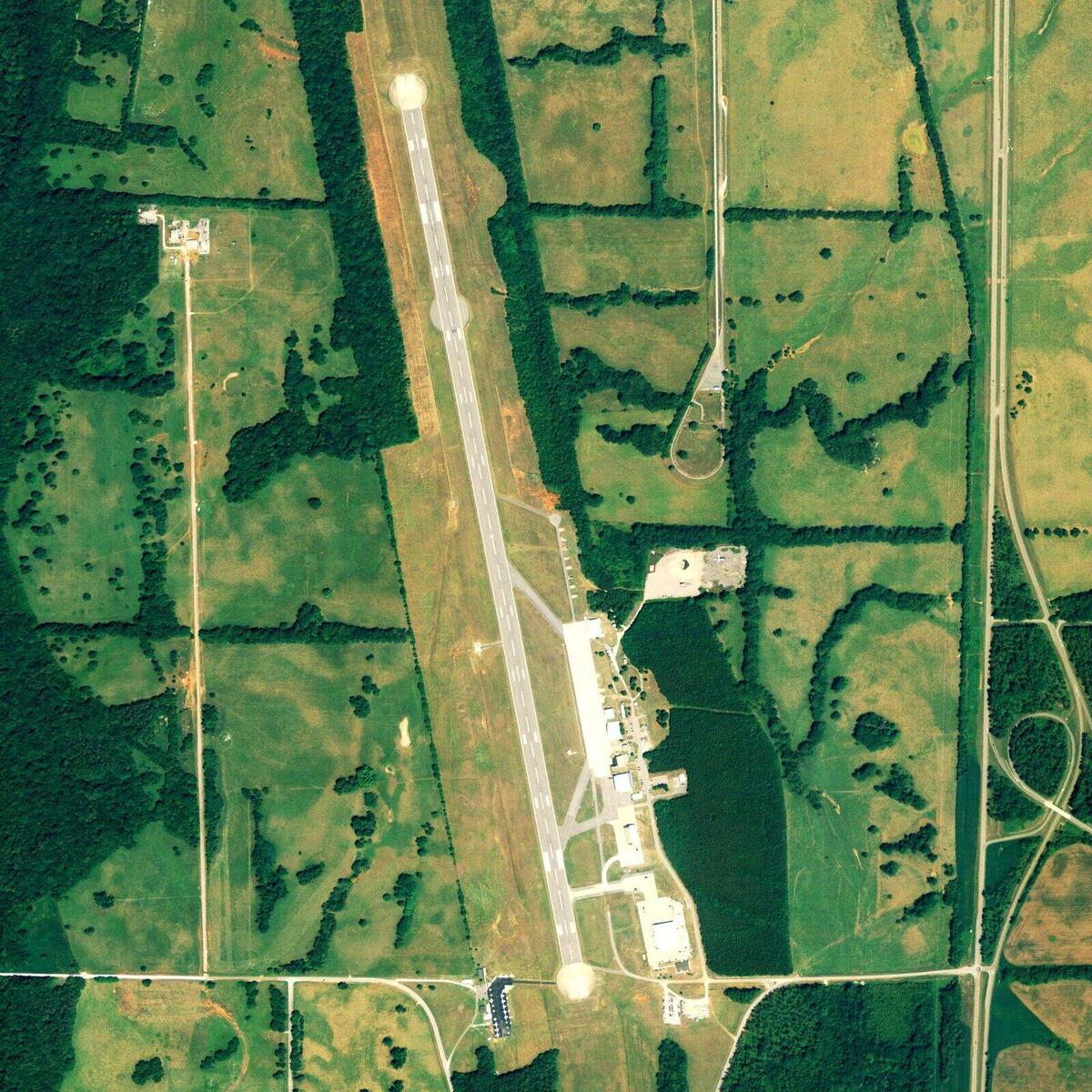
Redstone Arsenal
Redstone Arsenal is an active United States Army installation covering roughly 38,300 acres near Huntsville, Alabama. Established in 1941 as the Redstone Ordnance Plant, it operated alongside the neighboring Huntsville Arsenal to manufacture, assemble, store, and ship conventional and chemical munitions during World War II. In 1949 Redstone absorbed Huntsville Arsenal and became the center of the Army's rocket and guided missile development programs, and in 1960 NASA's Marshall Space Flight Center was established on 1,841 acres of arsenal land. Today the installation supports Army aviation and missile commands, the Missile Defense Agency, NASA, and numerous other federal tenants.
There are concerns about potential carcinogenic health hazards at Redstone Arsenal, stemming from decades of munitions production, chemical agent storage and disposal, and industrial operations that left various environmental contaminants on site:
- Trichloroethylene (TCE): TCE is a chlorinated solvent that was widely used by the military for degreasing metal parts and equipment. At Redstone Arsenal, investigators have documented extensive TCE plumes in groundwater beneath former industrial areas, a problem complicated by the karst limestone geology underlying the installation. TCE is classified as a human carcinogen, and exposure has been associated with kidney cancer, non-Hodgkin's lymphoma, and other health conditions.
- Other solvents and volatile organic compounds: In addition to TCE, sampling at the arsenal has identified other solvent contamination in groundwater, including dense non-aqueous phase liquids (DNAPLs) that can act as long-term sources of pollution. Long-term exposure to certain volatile organic compounds may potentially be linked to cancers and damage to the liver, kidneys, and nervous system.
- Heavy metals: Decades of manufacturing and disposing of conventional and chemical munitions left metals in soil and sediment at multiple locations across the installation. Some heavy metals are known or suspected carcinogens, and chronic exposure has been associated with cancers as well as neurological and kidney problems.
- PFAS: The Army Environmental Command has identified Redstone Arsenal as a PFAS assessment site because of the historical use of aqueous film forming foam (AFFF) in firefighting and fire training activities. PFAS are persistent man-made chemicals, and exposure to certain compounds has been associated with kidney cancer, testicular cancer, and other health effects.
The EPA added Redstone Arsenal to the Superfund National Priorities List on May 31, 1994, in a joint listing with NASA's Marshall Space Flight Center. The agency identified 25 operable units at the arsenal, where groundwater, soil, and sediment are contaminated with solvents, metals, pesticides, and perchlorate. An interim installation-wide groundwater Record of Decision prohibits use of site groundwater for drinking and restricts non-potable uses while cleanup continues. Investigations, remediation, and the mapping and disposal of suspected buried chemical warfare materiel are ongoing, and in 2020 the EPA approved deletion of some uncontaminated portions of the site from the National Priorities List.
It is important to note that while there are documented contaminants and concerns about potential exposure at Redstone Arsenal, establishing a definitive link between service at the installation and any individual's illness can be complex, and research into these exposures is still evolving. Veterans and family members who lived or worked at Redstone Arsenal may wish to stay informed about ongoing environmental investigations, keep records of their time on the installation, and speak with the VA or a qualified healthcare provider about health concerns and potential eligibility for benefits.
Were you stationed at a contaminated site?
The PACT Act of 2022 added more than 20 presumptive conditions for toxic exposure, including many cancers, and there is no deadline to file a VA claim.
This page is for informational purposes only and is not medical or legal advice. Consult a qualified professional about your health or benefits.
Discussion
No approved comments yet.