Fort Chaffee Joint Maneuver Training Center
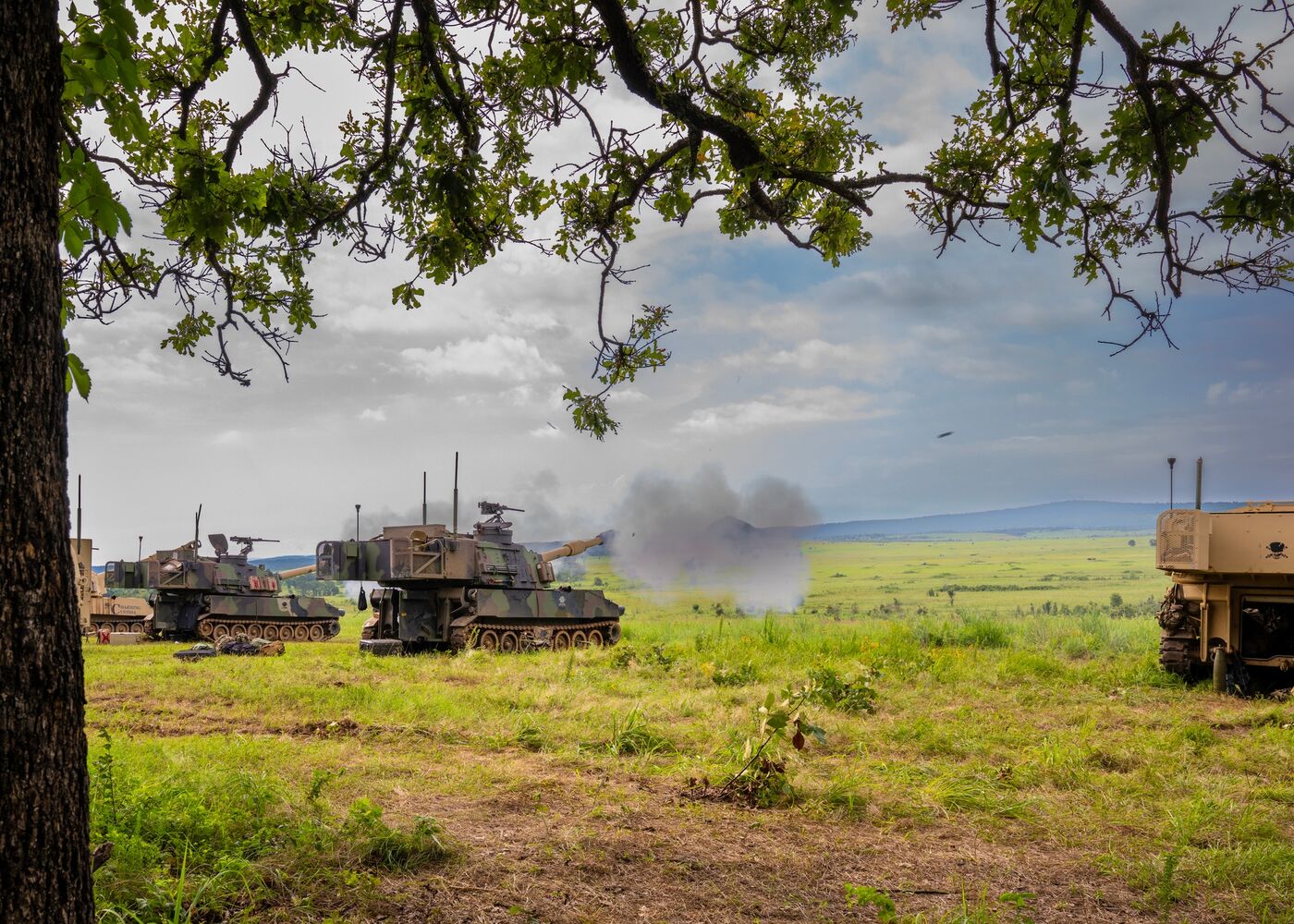
Fort Chaffee Joint Maneuver Training Center is an Arkansas Army National Guard installation in western Arkansas, adjacent to the city of Fort Smith. It began as Camp Chaffee in 1941, when the War Department was rapidly expanding the Army ahead of World War II, and was renamed Fort Chaffee in 1956. Over the decades the post served as a training camp, a prisoner of war camp, and a refugee processing center. After the 1995 Base Realignment and Closure round, the active Army installation was realigned and the Arkansas National Guard took over roughly 66,000 acres as a maneuver training facility. Today the site supports field training and live exercises for Guard and other military units.
Like many installations where aircraft and vehicle fire response was practiced, Fort Chaffee has drawn attention because of concerns about potential exposure to a family of manufactured chemicals associated with firefighting foam. An Army preliminary assessment reviewed the post for these substances and documented the potential for impacts to surface soil and surface water both on and off the installation, including drainages that eventually reach the Arkansas River.
- PFAS (per- and polyfluoroalkyl substances) are a large group of synthetic chemicals valued for their resistance to heat, water, and oil, and they break down very slowly in the environment. At Fort Chaffee, PFAS were identified as a concern because of historical firefighting activities, and the Army preliminary assessment flagged surface soil and surface water as potential pathways. Research has associated certain PFAS with a range of health effects, and there are concerns about potential exposure where these compounds persist.
- PFOS (perfluorooctane sulfonate) is a specific PFAS compound that was a common ingredient in older firefighting foam formulations. Because it is mobile and long lasting, PFOS is among the substances of interest in assessments of surface soil and surface water at the installation. PFOS has been studied for possible associations with several health outcomes, though findings vary across studies.
- PFOA (perfluorooctanoic acid) is another individual PFAS chemical historically linked to firefighting foam and a variety of industrial uses. It is included among the contaminants evaluated at Fort Chaffee given the potential for migration through soil and water. PFOA has been associated in some research with adverse health effects, which is why monitoring and review continue.
- AFFF (aqueous film forming foam) is the firefighting foam that historically contained PFAS such as PFOS and PFOA. AFFF was used at military sites to suppress fuel fires during training and emergency response, and its past use is the suspected source of the PFAS concerns documented at Fort Chaffee. Because AFFF residues can carry PFAS into soil and water, areas where the foam was used are a focus of environmental review.
Fort Chaffee is not listed as a federal Superfund site on the National Priorities List. The PFAS work at the installation has proceeded under the Department of Defense investigation process, beginning with a preliminary assessment that documented potential impacts to surface soil and surface water, with a site inspection to follow to gather additional sampling data and better define conditions.
Veterans, Guard members, and others who lived or worked at Fort Chaffee may wish to stay informed as the Army continues its assessment and any further investigation. Anyone with questions about possible exposure or related health concerns is encouraged to speak with the U.S. Department of Veterans Affairs and a personal health care provider, who can offer guidance based on individual circumstances.
Were you stationed at a contaminated site?
The PACT Act of 2022 added more than 20 presumptive conditions for toxic exposure, including many cancers, and there is no deadline to file a VA claim.
This page is for informational purposes only and is not medical or legal advice. Consult a qualified professional about your health or benefits.
Discussion
No approved comments yet.