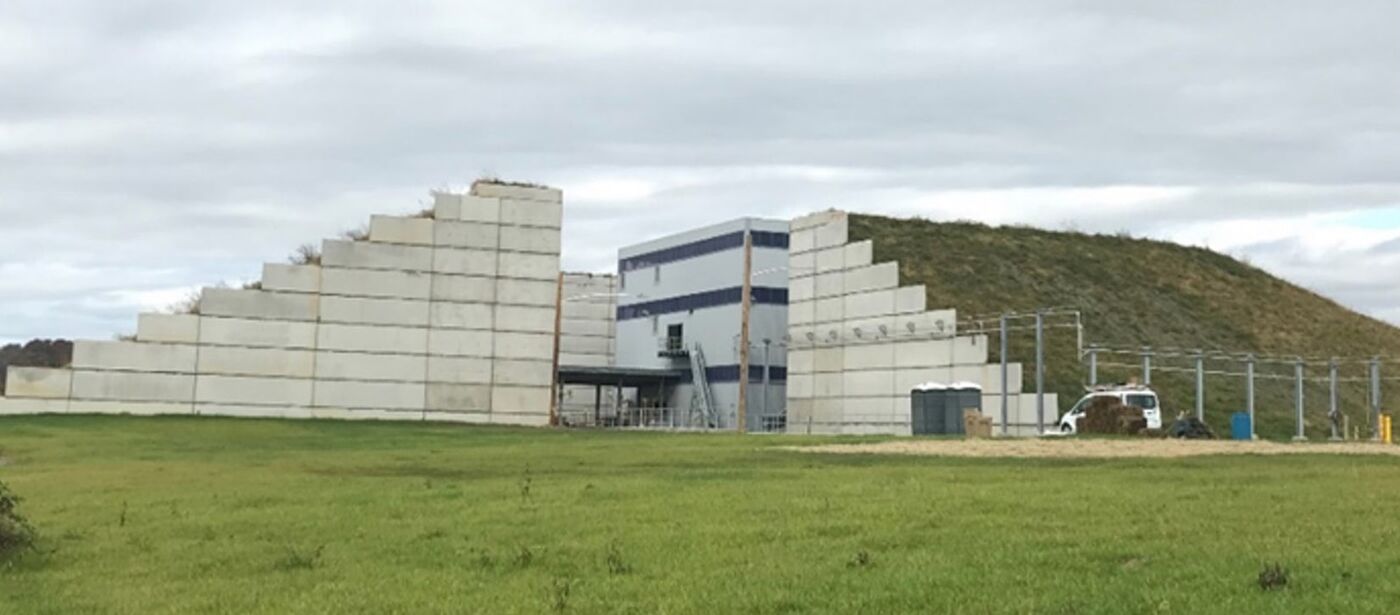
Holston Army Ammunition Plant
Holston Army Ammunition Plant (HSAAP) is a government owned, contractor operated explosives manufacturing installation located in Kingsport, Tennessee, with a secondary site (Plant B) situated about four miles away in Hawkins County. The facility was established in July 1942 as Holston Ordnance Works to produce high explosives during World War II, and it was renamed Holston Army Ammunition Plant in the early 1960s. For decades the plant has manufactured Research Department Explosive (RDX) and High Melting Explosive (HMX), key military explosives used in a wide range of munitions. The installation is currently operated under a long term facilities contract by BAE Systems Ordnance Systems. Its long history of large scale explosives production has shaped both its mission and the environmental questions that surround the site today.
As with many long operating military industrial sites, decades of manufacturing, waste handling, and disposal practices at Holston have prompted concerns about potential exposure to certain chemicals among workers, veterans, and nearby residents. The contaminants documented in connection with the installation reflect both its explosives production mission and more recently identified compounds associated with munitions waste handling.
- RDX and other explosives. RDX, along with HMX, has been the primary product manufactured at Holston, and explosives related compounds have been a focus of groundwater monitoring at the site. RDX residues from production, handling, and disposal activities have been associated with groundwater contamination at military explosives facilities. Exposure to RDX has been associated in some studies with concerns about effects on the nervous system, although findings vary and depend on the level and duration of exposure.
- PFAS. Per- and polyfluoroalkyl substances, commonly known as PFAS, are a large family of long lasting synthetic chemicals used in many industrial and consumer applications. At Holston, PFAS was detected at site HSAAP-43 during a preliminary assessment reported in 2023, and the plant's permitted open burning of munitions waste, some of which has been reported to contain PFAS, has drawn regulatory and public scrutiny. A Clean Air Act permit issued in February 2021 authorized open burning of large quantities of munitions wastes, prompting opposition from nearby residents and environmental advocates. PFAS compounds have been associated in some research with concerns about potential health effects, and they have been the subject of evolving regulatory review.
Holston Army Ammunition Plant is not listed on the National Priorities List (Superfund). Environmental work at the installation is managed through structured Army restoration programs under the federal Resource Conservation and Recovery Act (RCRA) and the Comprehensive Environmental Response, Compensation, and Liability Act (CERCLA). Reported measures have included groundwater monitoring for explosives related contaminants, land use controls, and soil excavation, and the PFAS detection at HSAAP-43 has been addressed through the preliminary assessment and site inspection process used across Army installations.
Veterans, civilian workers, and family members who spent time at Holston Army Ammunition Plant may wish to stay informed as investigation and monitoring at the site continue. Anyone with questions about possible exposure and related health or benefit matters is encouraged to speak with the U.S. Department of Veterans Affairs (VA) and a personal health care provider, who can offer guidance based on individual circumstances.
Were you stationed at a contaminated site?
The PACT Act of 2022 added more than 20 presumptive conditions for toxic exposure, including many cancers, and there is no deadline to file a VA claim.
This page is for informational purposes only and is not medical or legal advice. Consult a qualified professional about your health or benefits.
Discussion
No approved comments yet.