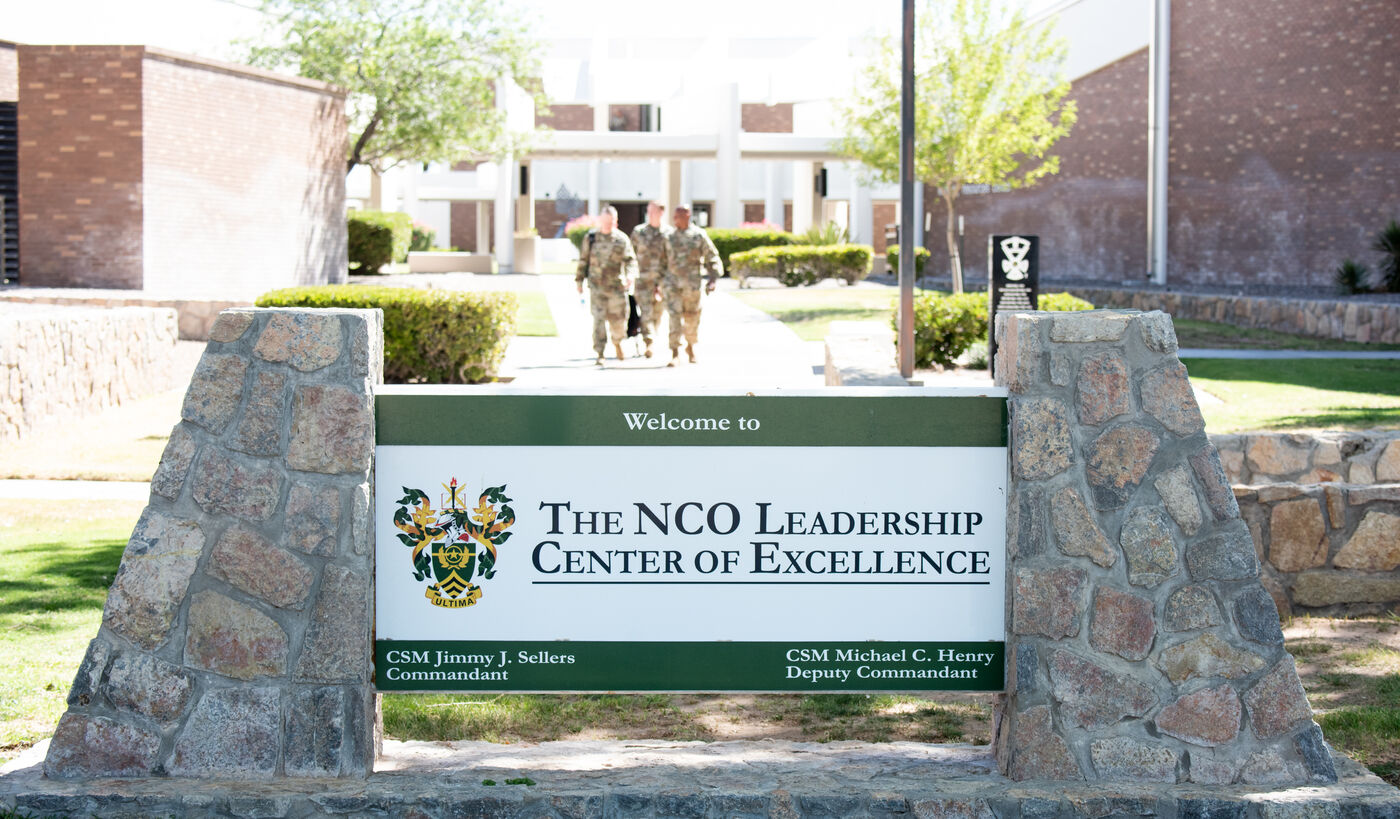
Fort Bliss
Fort Bliss is a large active United States Army installation located at El Paso, in far western Texas, with training lands extending into Doña Ana and Otero counties in New Mexico. The post traces its origins to a military post established opposite El Paso del Norte in the late 1840s, and it was renamed Fort Bliss in 1854 in honor of Lt. Col. William Wallace Smith Bliss. Over the twentieth century the installation became a center for anti-aircraft and air defense artillery training, hosting the U.S. Army Air Defense School for several decades. Today Fort Bliss spans more than one million acres and is one of the largest installations in the Army, serving as a major maneuver training and deployment hub. It is home to the 1st Armored Division, which returned to the post in 2011.
As at many long-operating military installations, sampling at Fort Bliss has raised concerns about potential exposure to certain environmental contaminants in groundwater and drinking water sources. The contaminants of concern identified at the installation are associated primarily with the historical use of firefighting materials at fire stations and training areas.
- PFAS (per- and polyfluoroalkyl substances) are a large group of manufactured chemicals valued for their resistance to heat, water, and oil, and often described as persistent in the environment. At Fort Bliss, PFAS have been linked to past firefighting foam use, and a preliminary assessment identified numerous areas of interest for further sampling. PFAS exposure has been associated in some studies with a range of health concerns, which is why the Army has continued to investigate affected areas.
- PFOS (perfluorooctane sulfonate) is one of the specific PFAS compounds historically found in firefighting foam formulations. Sampling near Fort Bliss examined groundwater and nearby wells for this compound, and one residential well was reported to have tested above the EPA Lifetime Health Advisory level in use at the time. PFOS has been the subject of ongoing study regarding its potential effects on human health.
- PFOA (perfluorooctanoic acid) is another individual PFAS compound that can be present where firefighting foam was used or stored. Federal health advisory levels for PFOA have been revised substantially lower over time, reflecting continuing concerns about potential exposure even at low concentrations. For this reason it remains among the substances examined during the installation's environmental investigation.
- AFFF (aqueous film forming foam) is a firefighting foam that was used, stored, and disposed of at multiple fire stations and training areas at Fort Bliss to suppress fuel fires. AFFF historically contained PFAS compounds and is identified as the suspected source of the PFAS detected at the installation. Concerns about potential exposure relate mainly to the PFAS constituents that AFFF can release into soil and groundwater.
Fort Bliss is not listed as a National Priorities List Superfund site. Environmental work is being carried out by the Army, which conducted a preliminary assessment beginning in 2019 and initiated a remedial investigation in October 2022 to determine the nature and extent of PFAS contamination. According to publicly available information, that investigation has an estimated completion date of 2027, and remediation activities are scheduled to continue accordingly.
Veterans, service members, and family members who lived or worked at Fort Bliss and have questions about possible exposure are encouraged to stay informed as the Army continues its environmental review. The U.S. Department of Veterans Affairs offers guidance and resources related to environmental exposures, and individuals with health concerns may wish to discuss their service history with the VA or a qualified medical provider.
Were you stationed at a contaminated site?
The PACT Act of 2022 added more than 20 presumptive conditions for toxic exposure, including many cancers, and there is no deadline to file a VA claim.
This page is for informational purposes only and is not medical or legal advice. Consult a qualified professional about your health or benefits.
Discussion
No approved comments yet.