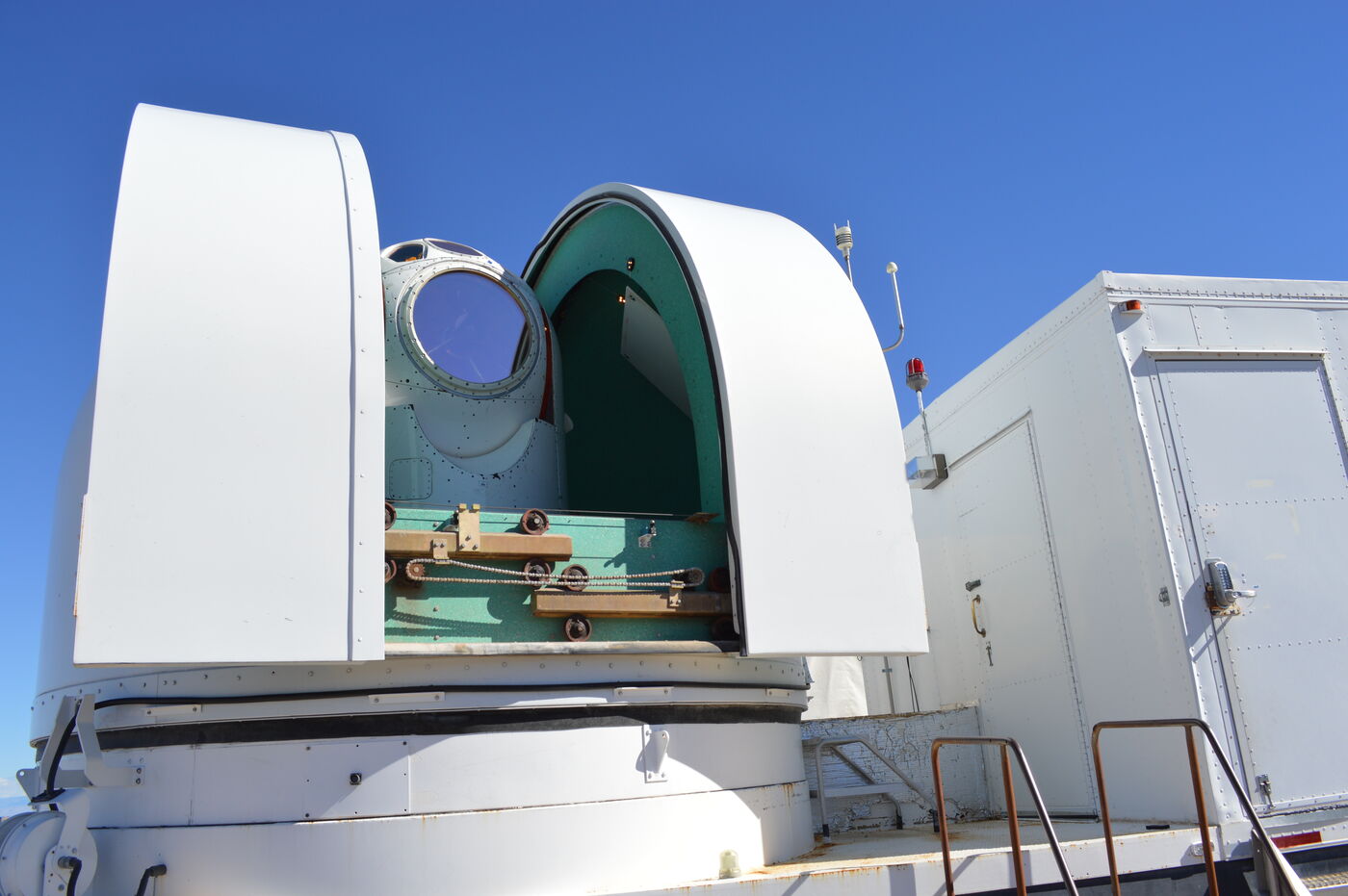
White Sands Missile Range
White Sands Missile Range is a U.S. Army installation located in the Tularosa Basin of south-central New Mexico, between the Organ and Sacramento mountains. The area was first used by the military in the early 1940s as a bombing and gunnery range, and the site was formally established as the White Sands Proving Ground in 1945, taking its current name in 1958. At roughly 3,200 square miles, it is the largest military installation in the United States and serves as a test range for missile and weapons development programs supporting the Army, Navy, Air Force, NASA, and other government and private users. Over its history the range has conducted tens of thousands of rocket and missile tests, and the Trinity site, location of the first atomic bomb test, lies at its northern end. The installation remains an active center for missile and space testing today.
As at many older defense sites, environmental reviews have raised concerns about potential exposure to certain chemicals tied to past operations and firefighting practices. The contaminant of primary concern at White Sands Missile Range relates to firefighting foam that was kept in inventory at the installation.
- PFAS. Per- and polyfluoroalkyl substances are a large group of manufactured chemicals valued for resisting heat, water, and grease, and they break down very slowly in the environment. At White Sands, PFAS testing of water sources began in 2016, and limited sampling reported detections including PFHxS at an estimated level in one source water sample, with other tests reported as non-detects. PFAS exposure has been associated in some studies with a range of health concerns, and research into long-term effects is ongoing.
- AFFF. Aqueous film-forming foam is a fire suppressant used by the military to extinguish fuel fires, and it has historically been a significant source of PFAS at defense sites. White Sands Missile Range reported holding AFFF in inventory, though officials stated there were no records of it being used to fight a fire, and the installation removed its AFFF stock. Because AFFF contains PFAS compounds, its storage and handling have prompted concerns about potential contamination of soil and groundwater.
White Sands Missile Range is not listed as a federal Superfund (National Priorities List) site for these contaminants. The installation conducts periodic water testing, and its results are made available through Department of Defense reporting channels. White Sands is also among the New Mexico installations, along with Holloman, Cannon, Kirtland, and Fort Wingate, named in the state's multi-district litigation against the U.S. Department of Defense, in which New Mexico seeks to recover cleanup costs and natural resource damages associated with PFAS. That litigation remains ongoing.
Veterans, civilian employees, and family members who served or lived at White Sands Missile Range and have questions about possible exposure are encouraged to stay informed as testing and litigation continue. Those with health concerns may wish to speak with the U.S. Department of Veterans Affairs about available resources and any benefits for which they may be eligible.
Were you stationed at a contaminated site?
The PACT Act of 2022 added more than 20 presumptive conditions for toxic exposure, including many cancers, and there is no deadline to file a VA claim.
This page is for informational purposes only and is not medical or legal advice. Consult a qualified professional about your health or benefits.
Discussion
No approved comments yet.