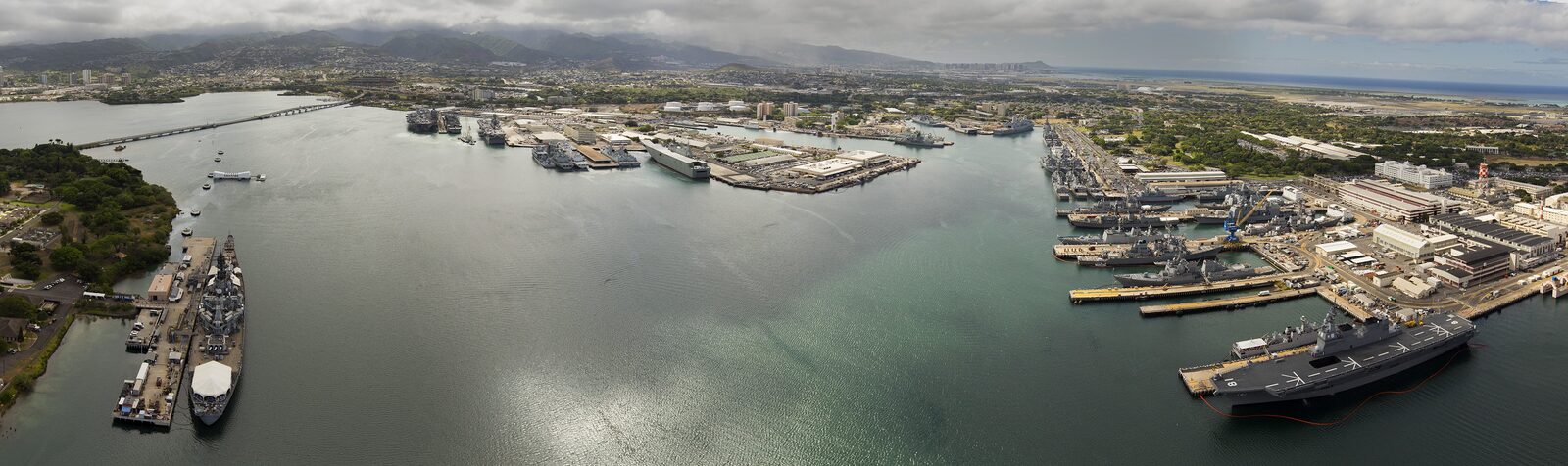
Joint Base Pearl Harbor-Hickam
Joint Base Pearl Harbor-Hickam is a joint Navy and Air Force installation on the island of Oahu, Hawaii. It was established on October 1, 2010, when Naval Station Pearl Harbor and Hickam Air Force Base were merged under the 2005 Defense Base Realignment and Closure process. Its component bases have far longer histories, with Naval Station Pearl Harbor opening in 1908 and Hickam Field officially opening in 1938. Today the installation supports Pacific Fleet ships and submarines, Air Force airlift and fighter operations, and numerous tenant commands, serving as a key hub for American military operations across the Indo-Pacific region.
There are concerns about potential carcinogenic health hazards at Joint Base Pearl Harbor-Hickam, due to documented exposure to several environmental contaminants:
- Jet fuel: The Navy's Red Hill Bulk Fuel Storage Facility, located in the hills above the base, stored millions of gallons of fuel in underground tanks. In 2014, an estimated 27,000 gallons of JP-8 jet fuel leaked from a storage tank, and in May 2021 a pipeline failure released over 19,000 gallons of JP-5 jet fuel. In November 2021, fuel from that incident entered the Red Hill drinking water shaft, contaminating the Navy water system serving roughly 93,000 people at Joint Base Pearl Harbor-Hickam, Aliamanu Military Reservation, and Red Hill housing. Exposure to jet fuel has been associated with skin, eye, and respiratory irritation, headaches, and dizziness, and prolonged exposure may potentially be linked to more serious conditions, including certain cancers, although research on long-term effects is not conclusive.
- Heavy metals: Decades of shipyard and industrial activity contaminated soil and harbor sediments with metals, including mercury and chromium. EPA investigations identified chromic acid disposal areas and mercury-contaminated sediments among the sources at the Pearl Harbor Naval Complex. Long-term exposure to certain heavy metals has been associated with neurological effects and an elevated risk of some cancers.
- Solvents: Industrial solvents such as TCE (trichloroethylene) and tetrachloroethylene (PCE), along with their breakdown products, were found in soil and soil gas at the complex, with leaking underground solvent tanks identified as one source. TCE is classified as a human carcinogen, and exposure to these solvents has been associated with concerns about kidney cancer and other illnesses.
- PCBs: Polychlorinated biphenyls, once widely used in electrical equipment, were detected in soils at the complex, and PCB disposal areas were identified among the contamination sources. PCBs persist in the environment and have been associated with potential cancer risks and immune system effects.
The Pearl Harbor Naval Complex, which includes about 12,600 acres of land and water, was added to the EPA National Priorities List of Superfund sites on October 14, 1992, after various military activities contaminated soil, sediment, and groundwater with metals, organic compounds, and petroleum hydrocarbons. Site investigations and cleanup activities are ongoing under the Navy and EPA. Following the Red Hill releases, the EPA concluded that the drinking water has been free of fuel contamination since 2022, and the Red Hill facility has been permanently defueled and is being closed, while groundwater remediation and long-term health monitoring continue.
It's important to note that while there are concerns about potential exposure to these contaminants at Joint Base Pearl Harbor-Hickam, establishing definitive links between any individual's health condition and time spent at the installation can be complex. Ongoing research, including the University of Hawaii Red Hill independent health registry, continues to examine the long-term effects of these exposures. Veterans and family members who lived or served on the base are encouraged to stay informed, discuss any concerns with their healthcare providers, and contact the VA about health monitoring and potential benefits.
Were you stationed at a contaminated site?
The PACT Act of 2022 added more than 20 presumptive conditions for toxic exposure, including many cancers, and there is no deadline to file a VA claim.
This page is for informational purposes only and is not medical or legal advice. Consult a qualified professional about your health or benefits.
Discussion
No approved comments yet.