Blue Water Navy Veterans and Agent Orange: Who Now Qualifies
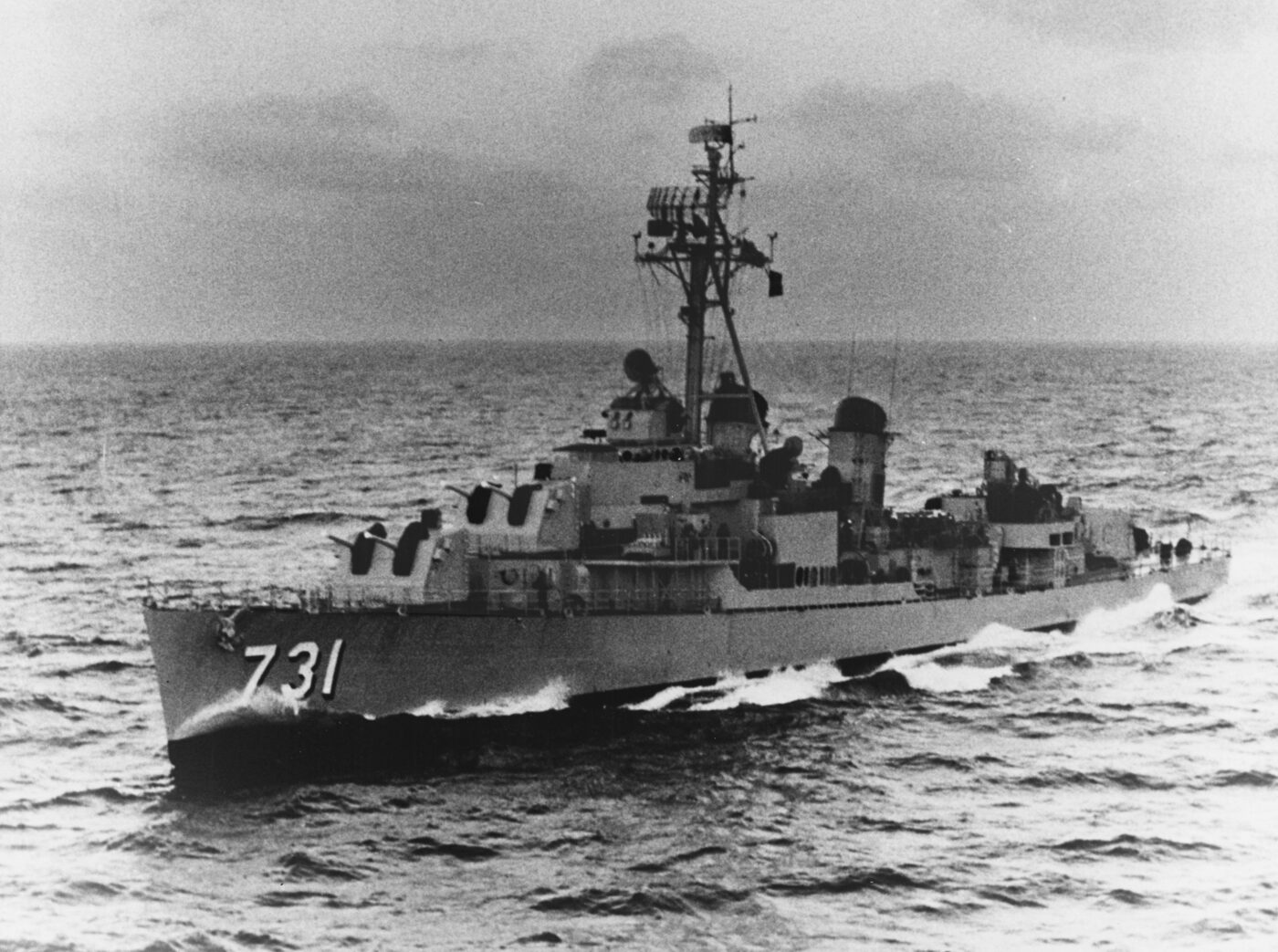
For decades, sailors who served aboard ships off the coast of Vietnam occupied a strange and painful gap in veterans law. Troops who set foot on land or patrolled the rivers and inland waterways were presumed to have been exposed to Agent Orange and other tactical herbicides. Those who served just offshore, often within sight of the same coastline, were not. These so called Blue Water Navy veterans were told that, absent proof of boots on the ground, the law did not assume they had been exposed. That changed in 2019 and 2020 through a combination of a federal court ruling and an act of Congress. This article explains why blue water sailors were excluded, what the courts and lawmakers did, how to tell whether a ship qualifies, which conditions are covered, and how eligible veterans and survivors can file or refile.
Why blue water sailors were excluded for years
The presumption of herbicide exposure for Vietnam veterans traces to the Agent Orange Act of 1991, codified at 38 U.S.C. 1116, which applies to a veteran who "served in the Republic of Vietnam." For years the Department of Veterans Affairs interpreted that phrase narrowly. Under VA policy, and later under the Federal Circuit decision in Haas v. Peake (2008), the presumption reached veterans who served on land or on the inland waterways, sometimes called brown water service, but not those who remained on the open sea. The practical effect was that many sailors who developed cancers and other illnesses associated with herbicide exposure had to prove direct contact with the chemicals, a nearly impossible standard decades after the fact. According to congressional analysis, the dispute affected an estimated 90,000 blue water Navy veterans (see the Congressional Research Service summary).
Procopio v. Wilkie and the turning point
The legal landscape shifted on January 29, 2019, when the U.S. Court of Appeals for the Federal Circuit, sitting en banc, decided Procopio v. Wilkie (No. 2017-1821). Alfred Procopio served aboard the U.S.S. Intrepid in the offshore waters of Vietnam and was later denied service connection for prostate cancer and diabetes. The court held that the phrase "served in the Republic of Vietnam" in 38 U.S.C. 1116 unambiguously includes the country's territorial sea, which under international law extends 12 nautical miles from shore. In reaching that conclusion the court overruled its earlier decision in Haas. The ruling meant that veterans who served within those territorial waters were entitled to the same presumption of exposure long afforded to those who served on land. Reporting and legal summaries at the time, including from the National Veterans Legal Services Program, described the decision as a landmark for blue water veterans.
What the 2019 Act changed
Months after the court ruled, Congress wrote the principle into statute. The Blue Water Navy Vietnam Veterans Act of 2019, Public Law 116-23, was signed on June 25, 2019, and took effect January 1, 2020. The text and history are available through Congress.gov and the bill record for H.R. 299. The law, codified at 38 U.S.C. 1116A, restored the presumption of herbicide exposure to veterans who served aboard a vessel operating not more than 12 nautical miles seaward from the demarcation line of the waters of Vietnam and Cambodia, between January 9, 1962, and May 7, 1975. The VA explains the same standard on its page for Navy and Coast Guard ships during the Vietnam era.
The expansion did not stop at the coast of Vietnam. The VA also recognizes presumptive herbicide exposure for veterans who served in or near the Korean Demilitarized Zone between September 1, 1967, and August 31, 1971. Service at a U.S. or Royal Thai military base in Thailand has likewise been recognized, with the qualifying window later broadened under the 2022 PACT Act to cover service from January 9, 1962, through June 30, 1976. These categories are distinct from the longer history of Agent Orange and reflect how eligibility has steadily widened over time.
How to tell whether a ship qualifies
Eligibility under the law turns on where a ship operated and when, not simply on having served in the Navy during the era. The VA does not publish a single public list on its main eligibility page, and the agency has historically maintained internal records of ships and the dates they entered the qualifying waters. Veterans who are unsure whether their vessel meets the standard can contact the VA directly at 1-800-749-8387 or work with an accredited representative who can review deck logs and service records. The official Blue Water Navy fact sheet and the agency's frequently asked questions describe the documentation involved. Our exposure check tool can also help veterans organize the dates and locations that matter for a claim.
The presumptive conditions
When exposure is presumed, a veteran generally does not have to prove that herbicides caused a particular illness, only that they have a recognized condition and qualifying service. The VA lists numerous diseases it associates with herbicide exposure. These include several cancers such as prostate cancer, bladder cancer, respiratory cancers (lung, larynx, trachea, and bronchus), multiple myeloma, Hodgkin's disease, non-Hodgkin's lymphoma, chronic B-cell leukemias, soft tissue sarcomas, and AL amyloidosis. Non-cancer conditions on the list include type 2 diabetes, ischemic heart disease, Parkinson's disease and Parkinsonism, early-onset peripheral neuropathy (the VA recognizes only the early-onset form, not chronic or late-onset neuropathy), chloracne, porphyria cutanea tarda, and hypothyroidism. The 2022 PACT Act added high blood pressure (hypertension) and monoclonal gammopathy of undetermined significance (MGUS) to the list. The current set of presumptive conditions is detailed on the VA's Agent Orange conditions page. Because the science continues to be reviewed, researchers and the VA periodically revisit which conditions are recognized.
How eligible veterans and survivors file or refile
Veterans who believe they qualify can file a disability compensation claim with the VA, online or by mail. Our step by step guide to filing a toxic exposure claim walks through the process, and the disability calculator can help estimate potential ratings. Veterans who were previously denied a blue water claim are not out of options. The VA has stated that it would review claims already in the system, and veterans whose earlier claims were denied can file a Supplemental Claim, often using VA Form 20-0995. According to the VA, a veteran found eligible under Public Law 116-23 may receive benefits retroactive to the date of the original claim.
Survivors are covered as well. A surviving spouse, child, or dependent parent may be eligible for Dependency and Indemnity Compensation, and the VA notes that survivors may file even if an earlier claim was denied. Survivor claims generally use VA Form 21P-534EZ. Families can learn more through our overview of survivor benefits, and veterans weighing an unfavorable decision may find the appeals helper useful. None of this is a substitute for individualized advice. Veterans and survivors who want help building a claim can consult an accredited representative or the resources gathered on our resources page. The change in the law, hard won through both the courts and Congress, finally extended to blue water sailors a recognition many had sought for the better part of their lives.
This page is for informational purposes only and is not medical or legal advice. Consult a qualified professional about your health or benefits.
Discussion
No approved comments yet.