Agent Orange: Vietnam Veterans and a Toxic Legacy
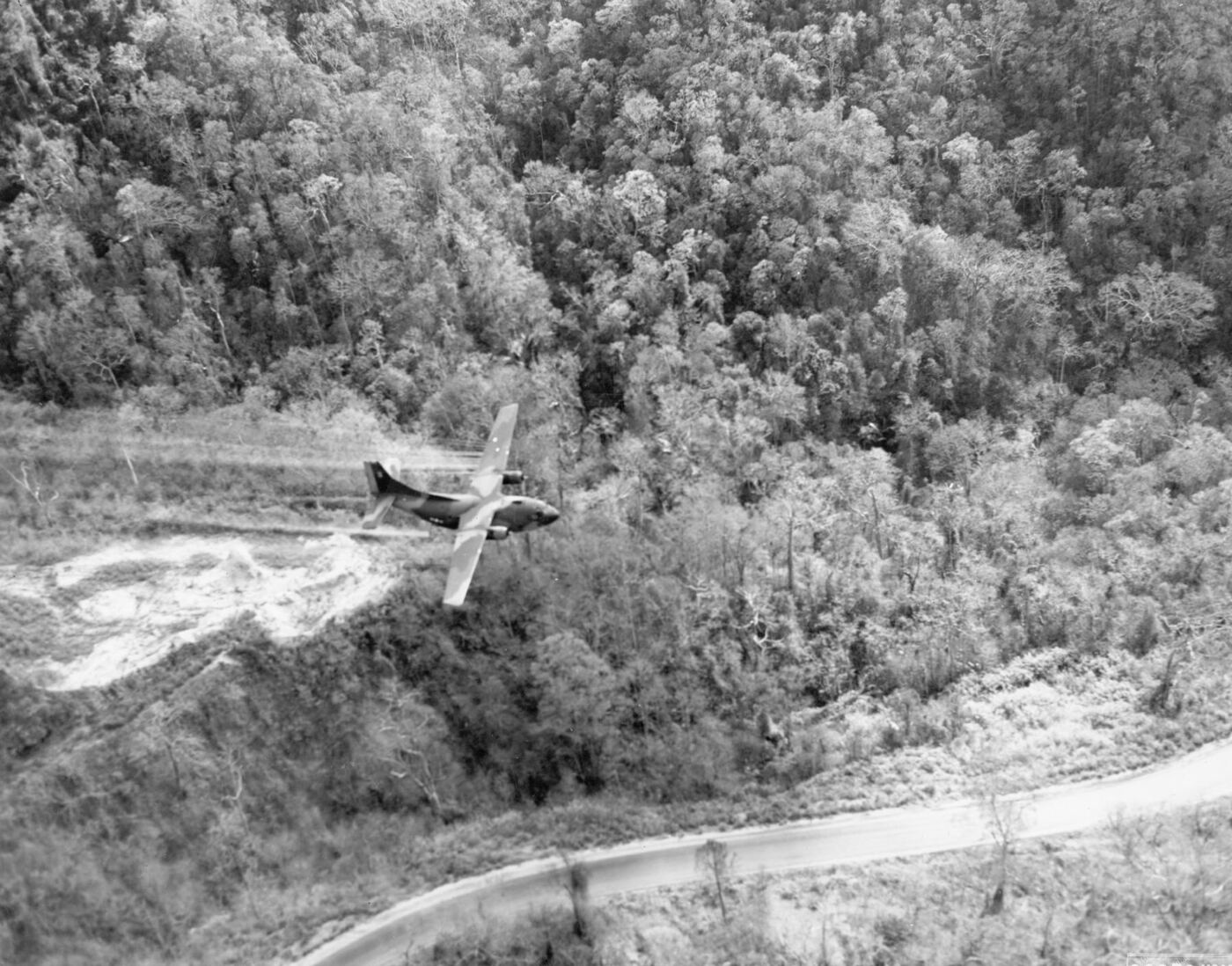
Between 1962 and 1971, American aircraft sprayed more than 19 million gallons of herbicide mixtures over the forests, mangroves and croplands of Vietnam in a campaign known as Operation Ranch Hand. The stated goal, according to the Department of Veterans Affairs, was to strip away the dense tropical foliage that provided cover to opposing forces. The most heavily used blend was Agent Orange, named for the orange stripe painted on the 55 gallon drums in which it was shipped. Researchers convened by the National Academies have estimated that roughly 11 million gallons or more of Agent Orange were applied, with additional spraying around base perimeters, roads and waterways by truck, riverboat and backpack.
Agent Orange itself was a mix of two common herbicides, 2,4-D and 2,4,5-T. The problem lay in a manufacturing byproduct. The 2,4,5-T component carried traces of TCDD, the most toxic member of the dioxin family, which the Environmental Protection Agency classifies as a human carcinogen. Exposure to TCDD has been associated in scientific reviews with a range of cancers and chronic illnesses, although individual cases can rarely be traced to a single cause. That uncertainty would shape decades of dispute over what the government owed the men and women who served amid the spraying.
The Long Road to Recognition
Vietnam veterans began reporting unusual illnesses, skin conditions and cancers in the years after they returned home, and many encountered skepticism when they sought benefits. A class action lawsuit against the chemical manufacturers was settled in 1984, but a broader federal answer did not arrive until the Agent Orange Act of 1991, which directed VA to presume that certain diseases in Vietnam veterans were connected to herbicide exposure, removing the burden of proving individual causation. The list of presumptive conditions has grown over time as the National Academies reviewed the evidence.
Two more recent laws widened the circle. The Blue Water Navy Vietnam Veterans Act of 2019 extended the presumption of exposure to sailors who served in the offshore waters of Vietnam, as far as 12 nautical miles from shore, between January 9, 1962, and May 7, 1975, according to the Veterans Benefits Administration. Then the 2022 PACT Act, which we covered in our guide to what the PACT Act means for veterans exposed to toxics, added hypertension (high blood pressure) and monoclonal gammopathy of undetermined significance (MGUS), a blood disorder that can precede multiple myeloma, to the Agent Orange presumptive list. The PACT Act also recognized new exposure locations beyond Vietnam itself.
Presumptive Conditions and Who Qualifies
According to VA's current eligibility page, the presumptive conditions include several cancers: bladder cancer, chronic B-cell leukemias, Hodgkin's disease, multiple myeloma, non-Hodgkin's lymphoma, prostate cancer, respiratory cancers including lung cancer, and some soft tissue sarcomas. Other presumptive illnesses include AL amyloidosis, chloracne, type 2 diabetes, high blood pressure, hypothyroidism, ischemic heart disease, MGUS, Parkinson's disease and Parkinsonism, early onset peripheral neuropathy, and porphyria cutanea tarda.
VA presumes herbicide exposure for veterans who served in any of these settings, among others:
- The Republic of Vietnam, its inland waterways, or aboard ships within 12 nautical miles of Vietnam or Cambodia between 1962 and 1975, which covers Blue Water Navy veterans
- Any U.S. or Royal Thai military base in Thailand from January 9, 1962, through June 30, 1976
- Laos from December 1965 through September 1969, and certain areas of Cambodia in April 1969
- Guam or American Samoa from 1962 through July 1980, and Johnston Atoll from 1972 through September 1977
- The Korean Demilitarized Zone between September 1967 and August 1971
- Repeated contact with contaminated C-123 aircraft, or duties involving the transport, testing or storage of Agent Orange
How to File a Claim
Veterans with a presumptive condition and qualifying service do not need to prove that the herbicide caused their illness. VA suggests gathering a DD214 or other separation papers showing service dates and locations, along with medical records documenting the diagnosis. Claims can be filed online at VA.gov, by mail, in person at a regional office, or with help from an accredited representative or veterans service organization. Veterans whose claims were previously denied for a condition that has since been added, such as hypertension or MGUS, can file a Supplemental Claim and may be considered for benefits without re-proving service connection. Surviving spouses, children and dependent parents of veterans who died of a presumptive condition may also be eligible for compensation.
Agent Orange remains the defining example of a military toxic exposure recognized only after years of advocacy, a pattern echoed in later concerns about contaminated drinking water at Camp Lejeune and firefighting foams containing AFFF. For veterans and families navigating these programs, our resources page collects official links and support organizations. The science will keep evolving, but for Vietnam era veterans the practical message is simpler: the presumptions now in law exist so that those who served do not have to fight the battle of proof alone.
Bases mentioned in this article
This page is for informational purposes only and is not medical or legal advice. Consult a qualified professional about your health or benefits.
Discussion
No approved comments yet.