Youngstown Air Reserve Station
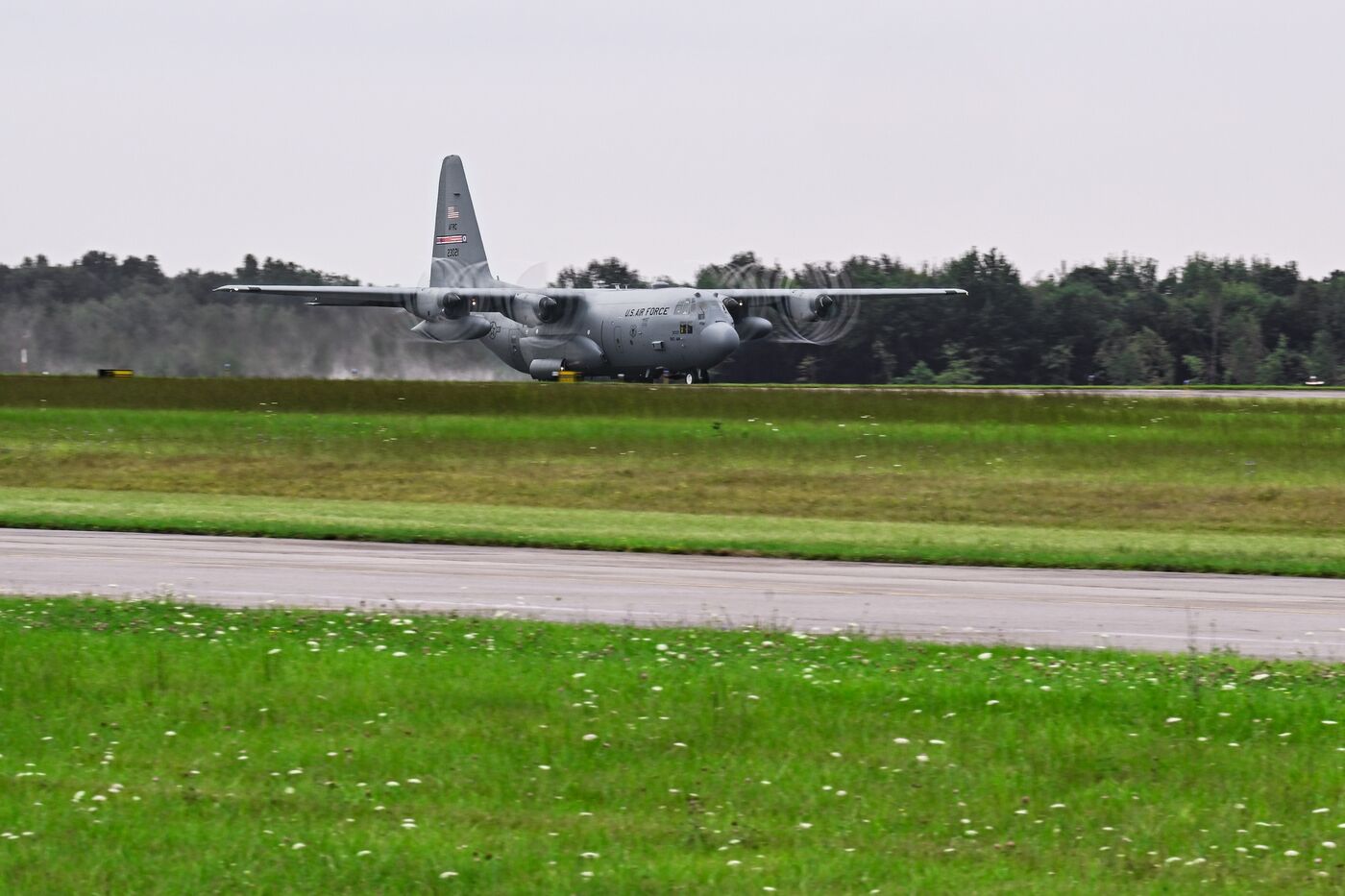
Youngstown Air Reserve Station is an Air Force Reserve installation in Vienna Township, Trumbull County, in northeastern Ohio, near the community of Vienna and not far from the city of Youngstown. The base was established in 1951 and dedicated in 1952, originally serving an air defense role before transitioning to reserve operations. Today it is home to the 910th Airlift Wing, which flies the C-130J Hercules and carries out the Department of Defense's only fixed-wing aerial spray mission, a capability the wing has held since the early 1990s. The installation also hosts Navy and Marine Corps Reserve components and supports roughly 1,450 military personnel and full-time civilian staff. The base has conducted firefighting training for decades.
As at many airfields where fuel fires were a routine hazard, activities at Youngstown Air Reserve Station have raised concerns about potential exposure to persistent chemicals tied to firefighting foam. Environmental sampling and a broader national review have drawn attention to these substances in groundwater associated with the base.
- AFFF (aqueous film forming foam) is a fire suppressant long used by the military to knock down jet fuel and other flammable liquid fires. At Youngstown Air Reserve Station, firefighters relied on AFFF for years during training exercises and while assisting surrounding fire departments. Because the foam was historically formulated with fluorinated chemicals, its repeated use at airfields has been associated with the release of those compounds into soil and groundwater.
- PFAS (per- and polyfluoroalkyl substances) are a large family of synthetic chemicals valued for their resistance to heat, water, and oil, and they were a key ingredient in older AFFF formulations. PFAS were detected in groundwater at the base in 2019. These chemicals are highly persistent, and research has associated some PFAS with a range of potential health effects, which is why their presence near former foam use areas has drawn scrutiny.
- PFOS (perfluorooctane sulfonate) is one of the most studied PFAS compounds and was common in legacy firefighting foams. A 2021 analysis by the Environmental Working Group reported PFOS among the PFAS found in groundwater connected to the base, with combined concentrations cited up to 65,000 parts per trillion. PFOS has been associated in some studies with effects on the immune system and other health concerns, though findings continue to be evaluated.
- PFOA (perfluorooctanoic acid) is a related fluorinated compound also linked to historical AFFF and industrial uses. It was identified alongside PFOS in the Environmental Working Group's review of groundwater associated with the installation. PFOA has been the subject of ongoing research into potential health effects, and federal agencies have set very low drinking water benchmarks for it.
Youngstown Air Reserve Station is not listed on the National Priorities List, the federal Superfund program. Ohio has taken steps to reduce the ongoing risk from fluorinated foam through a statewide AFFF Takeback Program, announced by Governor Mike DeWine and run with the Ohio Environmental Protection Agency, the State Fire Marshal's Office, and a private partner that destroys the PFAS in collected foam. In the spring of 2024 the program gathered nearly 14,000 gallons of AFFF from more than 100 Ohio fire departments, and the Air Force has separately worked toward replacing legacy foam at its installations.
Veterans, reservists, and civilian employees who served or worked at Youngstown Air Reserve Station may wish to stay informed as testing, cleanup, and federal guidance develop. Anyone with questions about possible exposure and related health screening or benefits is encouraged to speak with the U.S. Department of Veterans Affairs and a personal health care provider, who can offer guidance based on individual circumstances.
Were you stationed at a contaminated site?
The PACT Act of 2022 added more than 20 presumptive conditions for toxic exposure, including many cancers, and there is no deadline to file a VA claim.
This page is for informational purposes only and is not medical or legal advice. Consult a qualified professional about your health or benefits.
Discussion
No approved comments yet.