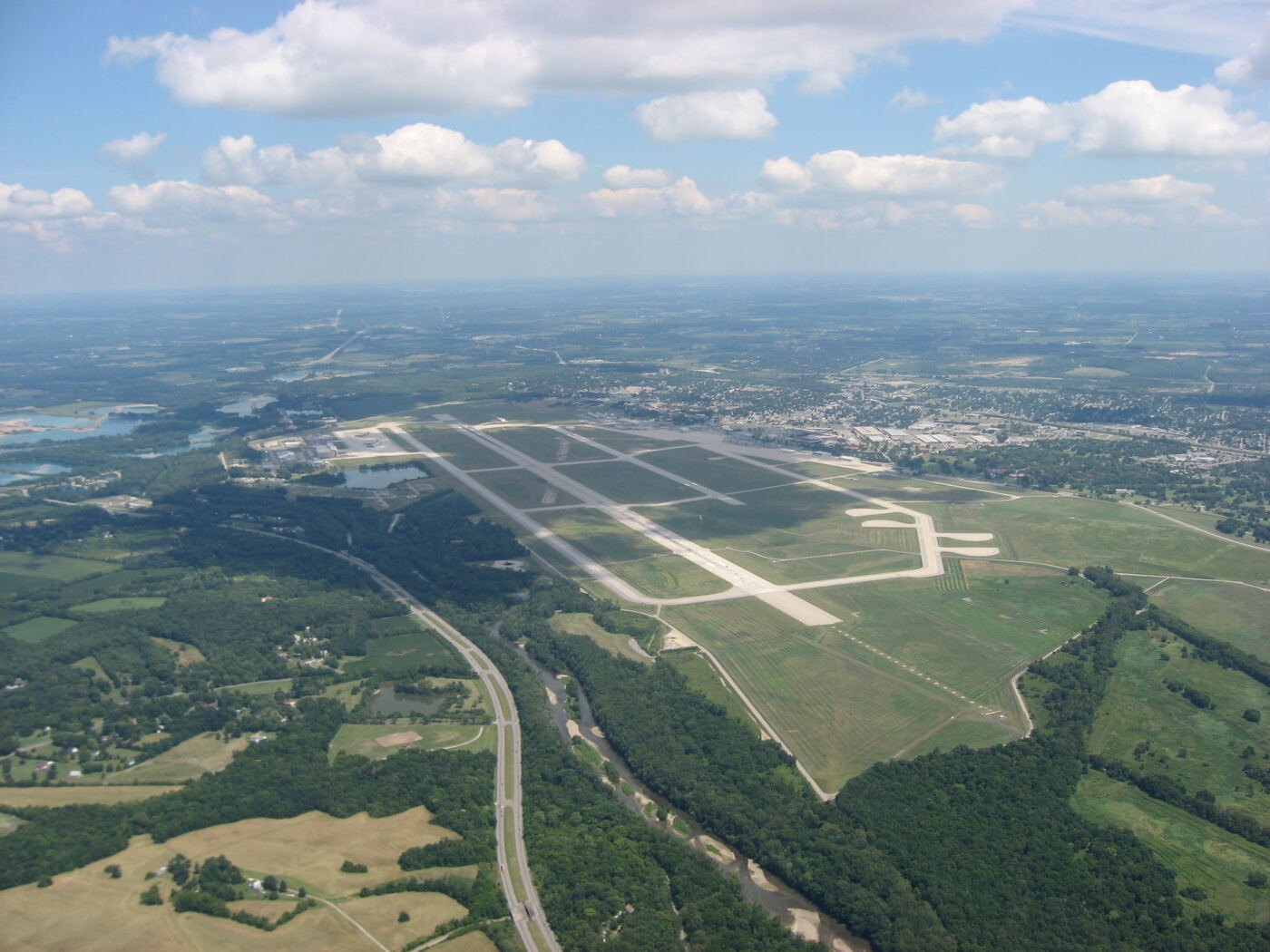
Wright-Patterson Air Force Base
Wright-Patterson Air Force Base is a major United States Air Force installation located near Dayton, Ohio. Its origins date back to 1917, when Wilbur Wright Field and McCook Field were established as World War I aviation installations, and the modern base was formally created on January 13, 1948, through the merger of Wright and Patterson Fields. Today the base serves as the headquarters of Air Force Materiel Command and is hosted by the 88th Air Base Wing, supporting research, development, acquisition, and logistics missions. It remains one of the largest and most important installations in the Air Force.
There are concerns about potential carcinogenic health hazards at Wright-Patterson Air Force Base, due to documented exposure to various environmental contaminants:
- TCE (trichloroethylene): This chlorinated cleaning and degreasing solvent was widely used in aircraft and equipment maintenance at the base, and the EPA has identified TCE as one of the main hazardous chemicals in base groundwater. Exposure to TCE has been associated with kidney cancer, non-Hodgkin lymphoma, and other serious illnesses.
- Industrial solvents: Decades of maintenance and disposal activities left solvent contamination across the installation, which includes 13 landfills, four chemical burial sites, and numerous other disposal areas. Long-term exposure to solvent-contaminated soil and groundwater may potentially be linked to a range of health effects, including certain cancers.
- Jet fuel: The base's restoration program identified nine fuel or chemical spill sites, and fuel constituents such as benzene have been addressed in soil and groundwater. Some components of fuels are recognized carcinogens, and there are concerns about potential exposure among personnel who worked near spill areas.
- PFAS (per- and polyfluoroalkyl substances): These persistent "forever chemicals" are now the dominant contamination issue at Wright-Patterson. PFOS, PFOA, and PFHxS have been detected in groundwater serving base water systems at levels above the EPA's new drinking water standards, and the City of Dayton reports PFAS migrating from the base toward its wellfields. PFAS exposure has been associated in some studies with kidney and testicular cancer, among other conditions.
- AFFF (aqueous film forming foam): Beginning in the 1970s, PFAS-containing AFFF was used for decades at the base to extinguish jet fuel and aircraft fires and was sprayed during training exercises at fire training areas. The foam leached into soil and groundwater, and the base no longer uses PFAS-based AFFF. Concerns remain about potential exposure for firefighters and others who handled the foam.
The EPA placed Wright-Patterson Air Force Base on the Superfund National Priorities List in October 1989, citing contamination from landfills, spills, and other releases across 65 identified sites. Cleanup work has included landfill capping, leachate and gas collection, groundwater treatment, public water supply extensions, and institutional controls. In December 2024, the EPA determined that human exposure and contaminated groundwater migration at the base were "not under control" because of PFAS levels above the new federal limits. The Air Force reports spending roughly $61.9 million on its PFAS response, including an AFFF Area 1 groundwater treatment system that has operated since January 2024 and has treated more than 13 million gallons of contaminated water. In February 2026, the City of Dayton sued the base for more than $300 million to fund PFAS removal from its drinking water supply.
Establishing definitive links between service at Wright-Patterson Air Force Base and specific illnesses is scientifically complex, and research into PFAS, TCE, and other contaminants is ongoing. Veterans and family members who lived or worked at the base are encouraged to stay informed about the cleanup, document their potential exposures, and consult the VA about health registries, screenings, and benefits for which they may be eligible.
Were you stationed at a contaminated site?
The PACT Act of 2022 added more than 20 presumptive conditions for toxic exposure, including many cancers, and there is no deadline to file a VA claim.
This page is for informational purposes only and is not medical or legal advice. Consult a qualified professional about your health or benefits.
Discussion
No approved comments yet.