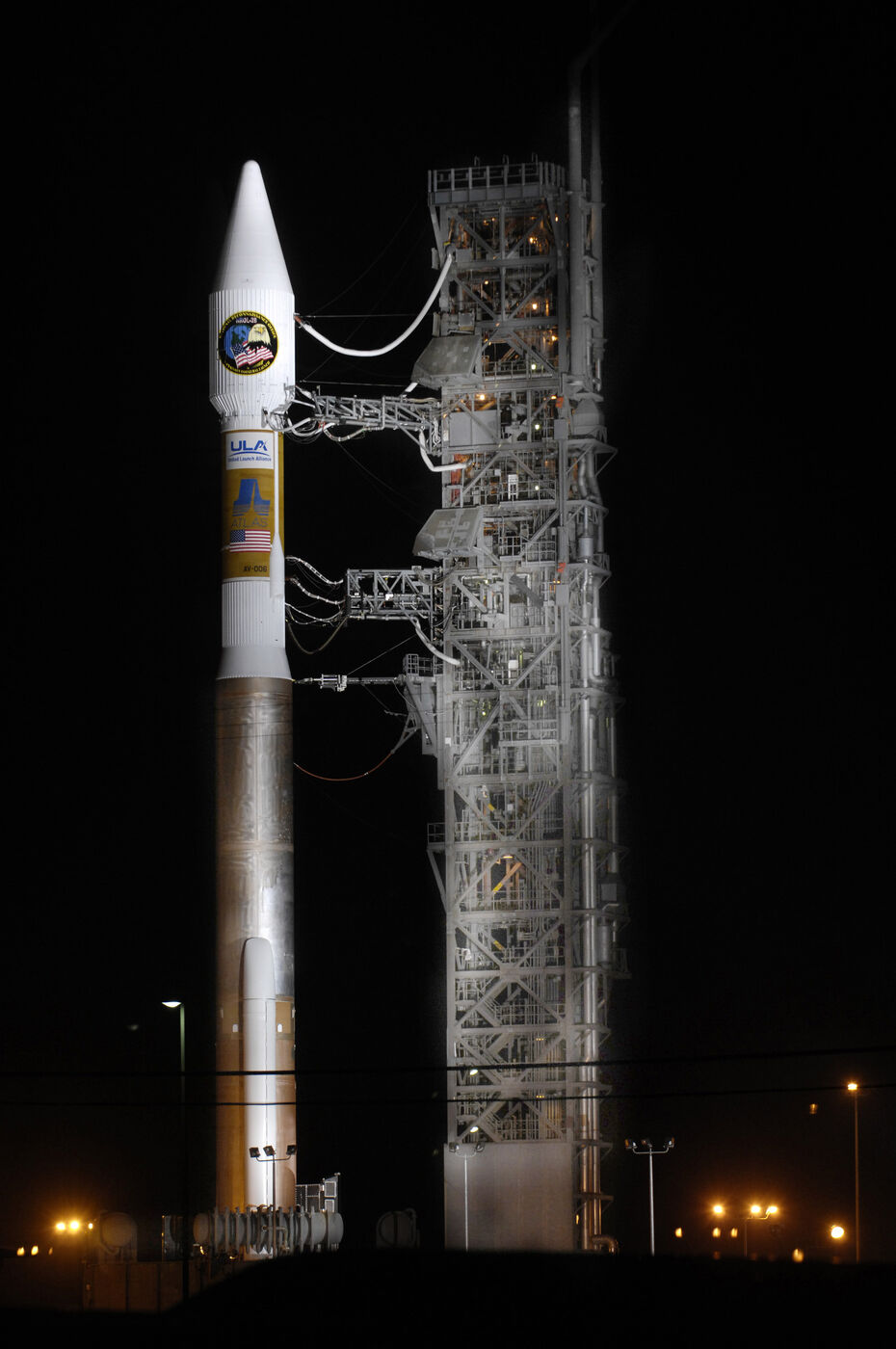
Vandenberg Space Force Base
Vandenberg Space Force Base is a United States Space Force installation on the central coast of California, near Lompoc in Santa Barbara County. The site was first established in 1941 as the Army's Camp Cooke, which trained tank, infantry, and artillery units during World War II. In 1957 the Department of Defense selected the location as a missile test and launch site, and it was renamed Vandenberg Air Force Base in 1958, supporting the Atlas, Titan, and Minuteman programs during the Cold War. The base was renamed Vandenberg Space Force Base in May 2021 to reflect its role in national space operations. Today it serves primarily as a space launch base supporting launches from the Western Range, along with continued missile testing.
As with many long-operating military airfields, decades of flight operations, fuel handling, and routine maintenance have left environmental concerns at Vandenberg. State and federal records list the base among California Air Force installations with documented or suspected per- and polyfluoroalkyl substances, and the installation restoration program has also tracked sites associated with solvents and fuels. The following contaminants have been associated with operations at or near the base.
- PFAS are a large family of synthetic per- and polyfluoroalkyl substances valued for their resistance to heat, water, and oil. At Vandenberg, PFAS are associated with the historical use of firefighting foam. These compounds are persistent in the environment, and concerns have been raised about potential long term exposure.
- PFOS is a specific PFAS compound that was a common ingredient in older firefighting foams. It has been associated with the same foam-related activities investigated at the base, and research has examined possible links between PFOS exposure and certain health effects.
- PFOA is another individual PFAS compound historically found in foam formulations and industrial products. Like related substances, it is being evaluated at the installation because of concerns about its persistence and potential effects on health.
- AFFF, or aqueous film forming foam, is the firefighting agent that served as the primary source of PFAS at many airfields. Its use at Vandenberg for fire suppression and training is the activity most often connected to PFAS detections, and runoff from these areas has prompted investigation.
- TCE (trichloroethylene) is a chlorinated solvent that was widely used to degrease metal parts and equipment. It has been associated with maintenance and industrial operations at the base, and concerns about potential exposure relate to soil and groundwater near former use areas.
- Jet fuel and related petroleum products were stored and handled in large volumes to support flight and launch operations. Releases from fuel storage and handling can affect soil and groundwater, and such sites have been addressed through the installation restoration program.
- Solvents used in cleaning, degreasing, and maintenance have been documented at various sites on the base, with concerns centered on potential exposure pathways.
Vandenberg Space Force Base is not listed on the National Priorities List. Investigation and cleanup are being carried out under the Comprehensive Environmental Response, Compensation, and Liability Act process and the Department of Defense installation restoration program, in coordination with California state environmental agencies. The base also appears on the California State Water Resources Control Board list of military facilities with known or suspected PFAS releases. Work to characterize and address PFAS, solvent, and fuel sites is ongoing.
Veterans, civilian workers, and family members who spent time at Vandenberg and have questions about possible exposure are encouraged to stay informed as investigation and cleanup continue. The U.S. Department of Veterans Affairs offers resources on toxic exposure, and speaking with the VA or a personal physician can help individuals understand their own health and any benefits or screening that may be available.
Were you stationed at a contaminated site?
The PACT Act of 2022 added more than 20 presumptive conditions for toxic exposure, including many cancers, and there is no deadline to file a VA claim.
This page is for informational purposes only and is not medical or legal advice. Consult a qualified professional about your health or benefits.
Discussion
No approved comments yet.