Minneapolis-St. Paul Joint Air Reserve Station (Twin Cities Air Force Reserve Base, Small Arms Range Landfill)
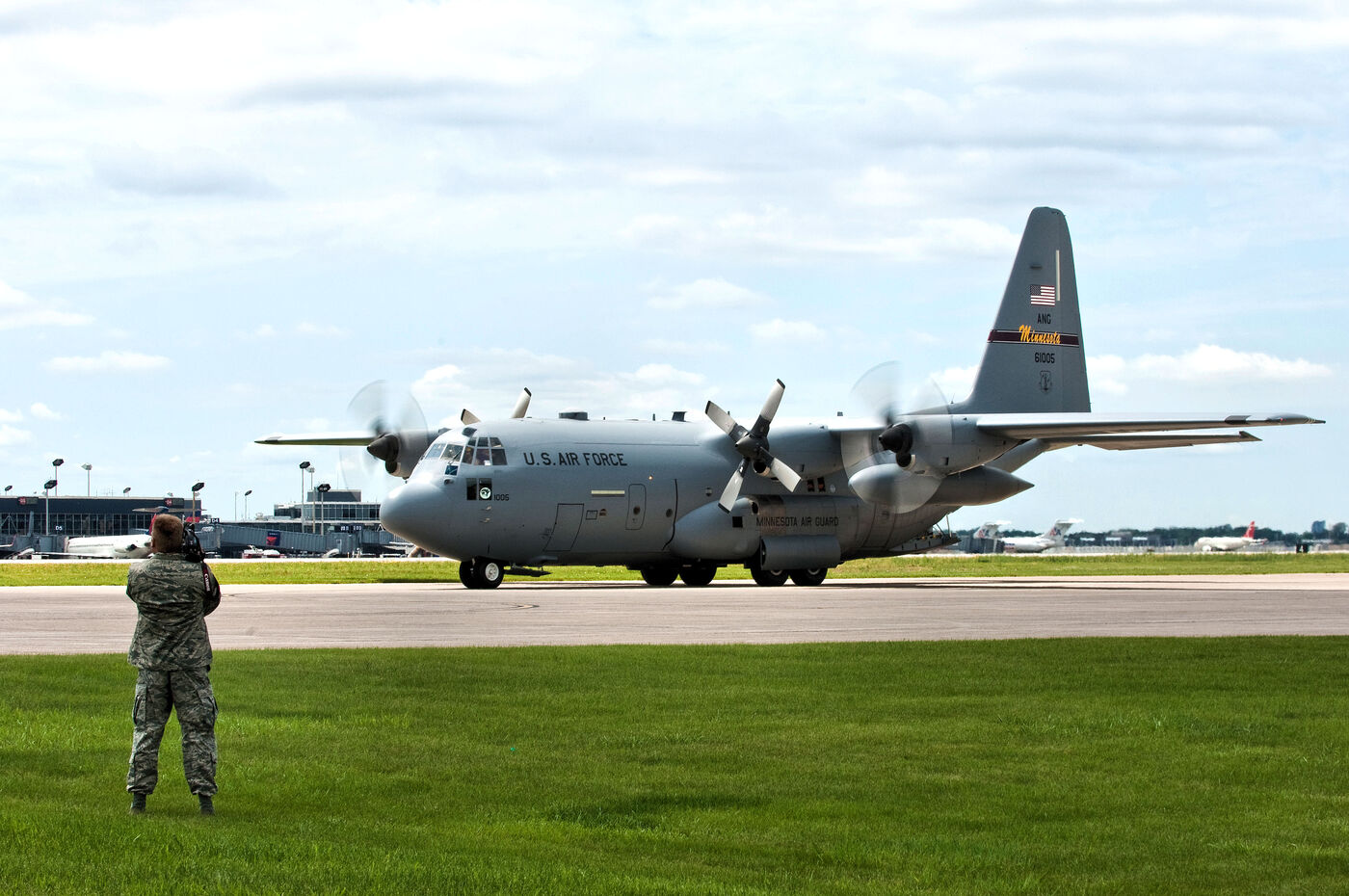
The Twin Cities Air Force Reserve Base, now part of the Minneapolis-St. Paul Joint Air Reserve Station, includes a roughly 2-acre parcel located between the Minnesota River and the Minneapolis-St. Paul International Airport. The installation has long served as home to Air Force Reserve flying operations, including the 934th Airlift Wing, which traces its presence in the area to the early 1960s and today operates C-130 cargo aircraft. The environmental concern centers on the Small Arms Range Landfill, which functioned as the main base landfill from roughly 1963 until 1972. During those years the landfill received general base refuse along with industrial wastes, including paint sludge, paint filters, and sludge from leaded aviation gasoline. After the landfill closed, sampling identified groundwater contamination that drew the attention of state and federal environmental regulators.
Investigations documented a range of contaminants associated with past disposal and small arms range operations. Because the landfill periodically flooded along the Minnesota River, regulators have also noted the potential for some materials to migrate toward surface water. According to EPA, several metals exceeded Safe Drinking Water Act maximum contaminant levels and Minnesota groundwater standards at the site.
- Lead. Lead is a heavy metal that was present in both the leaded aviation gasoline sludge disposed at the landfill and in spent ammunition from small arms range activity. Lead has been detected in site groundwater and is associated with concerns about exposure, particularly because it can affect the nervous system at elevated levels.
- Arsenic. Arsenic, a naturally occurring metalloid that can also enter the environment through industrial wastes, was reported in groundwater at levels that exceeded drinking water standards. Long-term arsenic exposure has been associated in the scientific literature with a number of health concerns.
- Cadmium. Cadmium is a heavy metal linked to industrial and metal-finishing wastes. It was among the metals detected in groundwater at the landfill, and exposure to cadmium has been associated with concerns about effects on the kidneys.
- Beryllium. Beryllium is a lightweight metal used in certain industrial and aerospace applications. It was identified in site groundwater, and exposure to beryllium has been associated with potential respiratory health concerns.
- Nickel. Nickel, a metal common in industrial wastes and plating operations, was detected in groundwater at the site. Nickel exposure has been associated with potential skin and respiratory effects in some studies.
- Selenium. Selenium is an element that is essential in trace amounts but can be harmful at higher concentrations. It was among the metals that exceeded drinking water standards in site groundwater, raising concerns about potential exposure.
- Vanadium. Vanadium is a metal that can be associated with fuel residues and industrial processes. It was reported in groundwater above applicable standards at the landfill, and elevated vanadium exposure has been studied for potential health effects.
The Small Arms Range Landfill was placed on the EPA National Priorities List (Superfund) in 1987. Remedy construction was completed in 1992, and the selected approach has relied on monitored natural attenuation, site maintenance, access restrictions, and ongoing groundwater and surface water monitoring. EPA deleted the site from the National Priorities List in 1996. EPA five-year reviews, including the most recent, have generally concluded that the remedy remains protective in the short term, with continued reliance on institutional controls and ongoing monitoring noted for long-term protectiveness.
Veterans who served at the base or the Minneapolis-St. Paul Joint Air Reserve Station and who have questions about possible past exposures are encouraged to stay informed as monitoring continues. Speaking with the U.S. Department of Veterans Affairs can help individuals understand available health resources and any benefits for which they may be eligible.
Were you stationed at a contaminated site?
The PACT Act of 2022 added more than 20 presumptive conditions for toxic exposure, including many cancers, and there is no deadline to file a VA claim.
This page is for informational purposes only and is not medical or legal advice. Consult a qualified professional about your health or benefits.
Discussion
No approved comments yet.