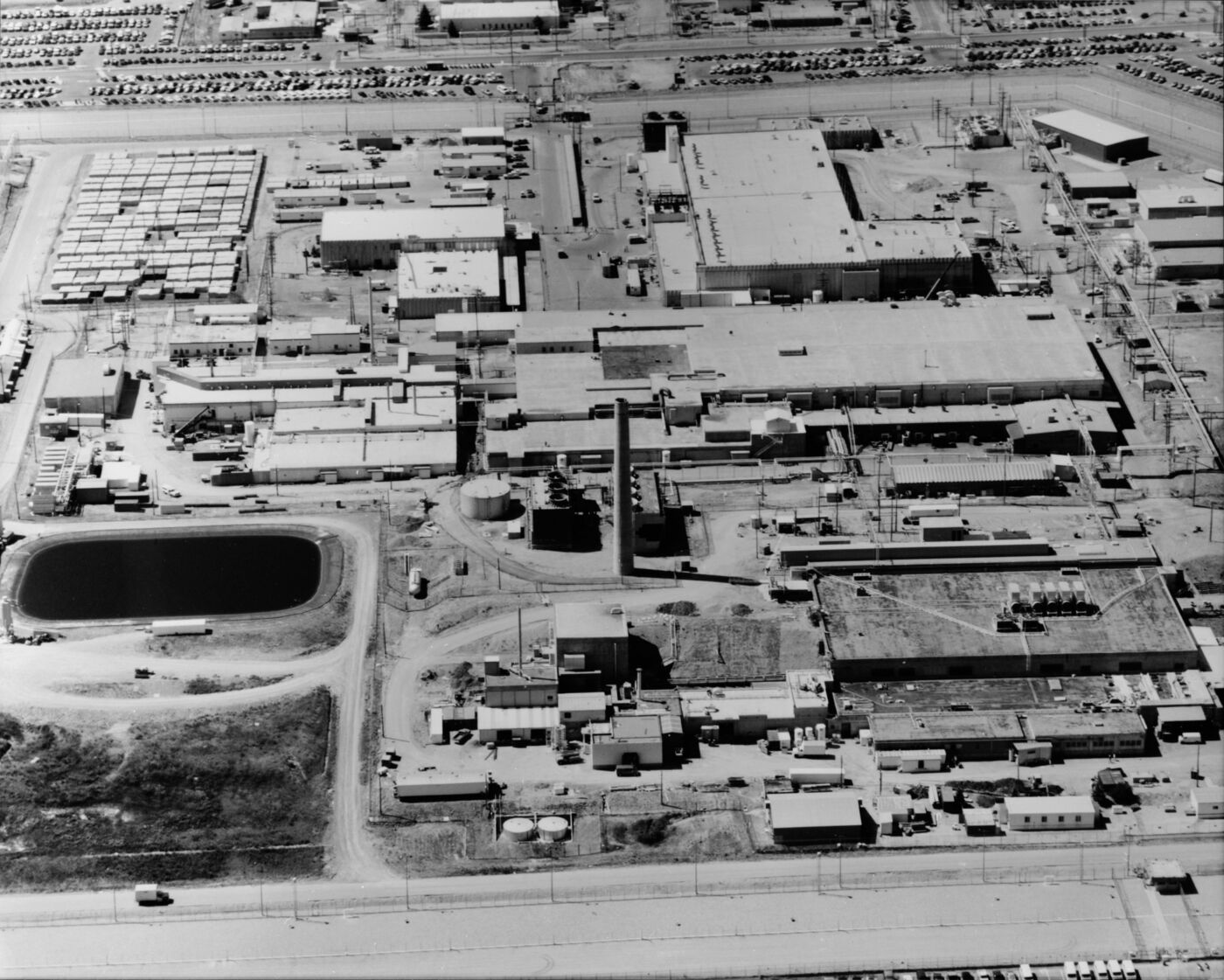
Rocky Flats Plant
The Rocky Flats Plant was a U.S. Department of Energy nuclear-weapons component facility located between Denver and Boulder, Colorado. Beginning in 1952 under the Atomic Energy Commission, the plant manufactured plutonium "pits," the fissile triggers used in the U.S. nuclear arsenal, and it continued this work for much of the Cold War. Production operations ran until 1989, when activities were halted following a federal investigation into environmental practices at the site. Over its operating life the plant experienced fires, releases, and waste-storage problems that spread contamination beyond the production buildings. The facility was later closed, with most structures demolished and the land transitioning toward other uses.
Because of the materials handled and the incidents that occurred there, current and former workers and nearby residents have raised concerns about potential exposure to radioactive and chemical substances in soil, surface water, groundwater, and air. The contaminants below have been documented in connection with the site.
- Radiation (plutonium, americium, and uranium): These radioactive materials were central to the plant's mission of fabricating plutonium components for nuclear weapons. Plutonium, americium, and uranium contamination has been documented in soil and other media, particularly in the former industrial area. Exposure to such radionuclides has been associated with concerns about long-term health effects, and these concerns continue to be studied.
- Solvents (including TCE): Chlorinated solvents and other volatile organic compounds were used at the plant for degreasing and cleaning metal parts. Trichloroethylene and related VOCs have been documented in subsurface soil and groundwater at the site. Exposure to these solvents has been associated with potential health concerns, which is why monitoring of affected areas has continued.
- Heavy metals: Metals such as beryllium and other heavy metals were used in manufacturing and machining processes and have been documented among site contaminants, including in oils and debris left from operations. Exposure to certain heavy metals has been associated with concerns about respiratory and other health effects, and this remains an area of ongoing attention.
Rocky Flats was placed on the EPA National Priorities List, commonly known as Superfund, on October 4, 1989. A major cleanup effort followed, including the closure and demolition of buildings and removal of large volumes of contaminated material, with much of the work carried out between 1990 and 2006. A partial deletion from the NPL occurred in 2007 as portions of the site were addressed, while some contamination was managed in place under continued oversight by the EPA, the Colorado Department of Public Health and Environment, and the Department of Energy.
Veterans, civilian workers, and others who spent time at or near Rocky Flats may wish to stay informed about the site's documented contaminants and any updates to its monitoring. Anyone with questions about possible service-connected exposure is encouraged to contact the U.S. Department of Veterans Affairs (va.gov) to learn what screening, benefits, or guidance may apply to their individual situation.
Were you stationed at a contaminated site?
The PACT Act of 2022 added more than 20 presumptive conditions for toxic exposure, including many cancers, and there is no deadline to file a VA claim.
This page is for informational purposes only and is not medical or legal advice. Consult a qualified professional about your health or benefits.
Discussion
No approved comments yet.