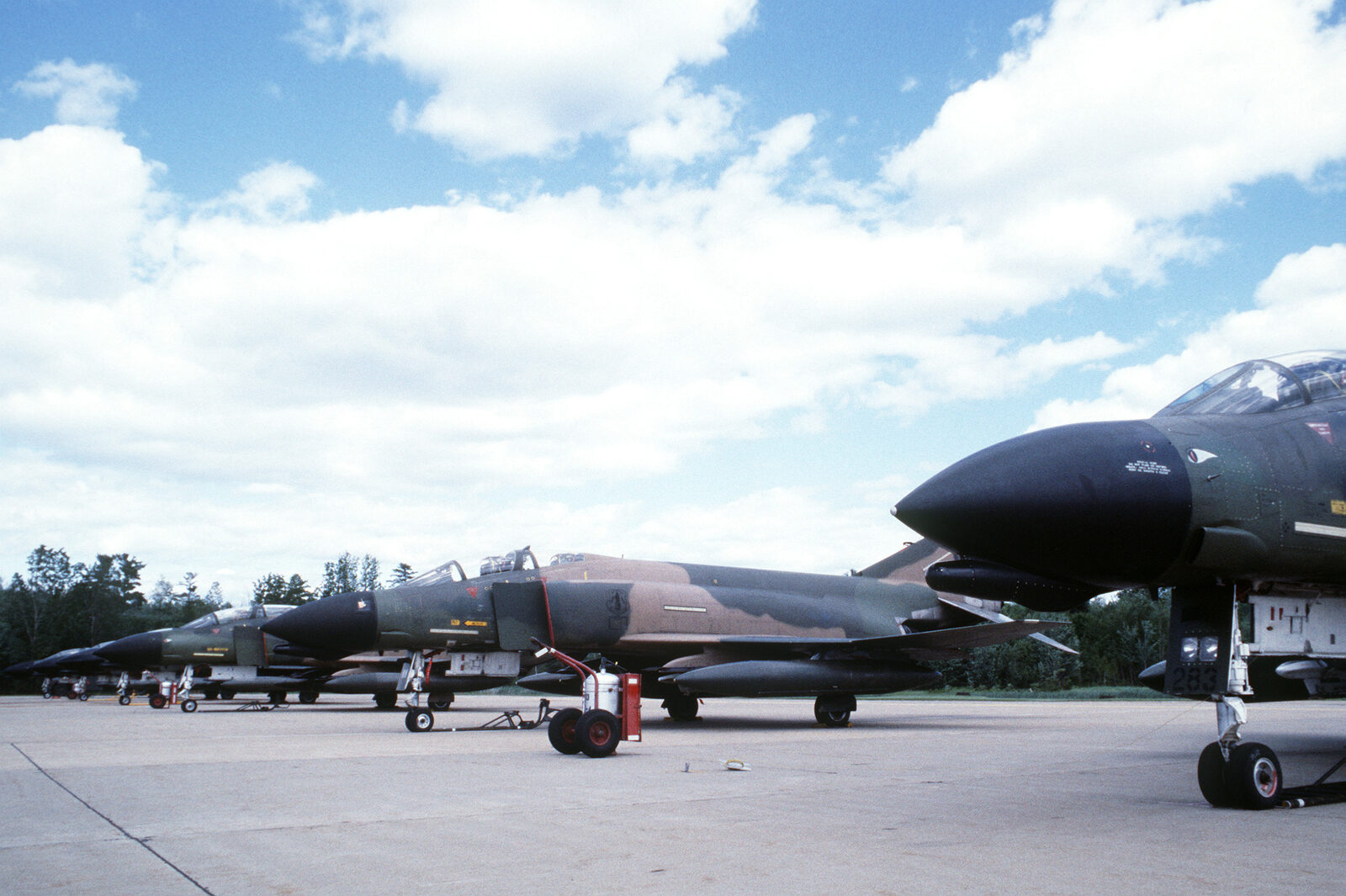
Plattsburgh Air Force Base
Plattsburgh Air Force Base is a former United States Air Force installation on the western shore of Lake Champlain in Plattsburgh, New York, occupying roughly 3,447 acres in the northeastern corner of the state. The property sits on land with a military history stretching back to the early 1800s, and construction of the modern Air Force base began in 1954, with the first aircraft landing on the new runway in 1955. As a Strategic Air Command base during the Cold War, Plattsburgh hosted the 380th Bombardment Wing, which operated B-47, B-52 and FB-111A bombers along with KC-135 refueling tankers. The base closed in September 1995 under the Base Realignment and Closure program, and the site now functions as a civilian airport and industrial complex.
There are concerns about carcinogenic health hazards at Plattsburgh Air Force Base, stemming from decades of aircraft operations, maintenance, fire training exercises, fuel spills and waste disposal that released various environmental contaminants:
- Trichloroethylene (TCE): TCE is a chlorinated solvent commonly used by the military to degrease aircraft parts and equipment. At Plattsburgh, spills and disposal during operations contaminated groundwater and soil with TCE, and concerns about vapor intrusion led to the installation of soil vapor extraction systems at three buildings. TCE exposure has been associated with kidney cancer, non-Hodgkin lymphoma and other serious health conditions.
- Other chlorinated solvents: Additional solvent compounds from maintenance and industrial activities were identified in soil and groundwater at multiple areas of the base. Long-term exposure to chlorinated solvents may potentially be linked to cancers and damage to the liver, kidneys and nervous system.
- Benzene and other fuel compounds: Fuel storage, transfers and spills associated with bomber and tanker operations released petroleum compounds, including benzene, toluene, ethylbenzene and xylene, into the environment. Benzene is a known human carcinogen, and exposure has been associated with leukemia and other blood disorders.
- PFAS: PFAS are persistent chemicals that have become a key contaminant at the former base. They have been detected in soil, groundwater, surface water and sediment on and off base, in some cases above the EPA's drinking water Health Advisory Levels, and the Air Force has installed treatment systems on affected off-base private wells.
- AFFF: AFFF, a PFAS-containing firefighting foam, was used at Plattsburgh from 1970 until the base closed in 1995 during fire training, crash response and foam storage and testing. A 2015 assessment identified ten additional areas of potential AFFF use or release for further investigation, and PFAS exposure has been associated with kidney and testicular cancer and other health concerns.
- Heavy metals: Metals including chromium, cadmium and lead were found in soil and groundwater connected to base activities and landfill operations. Several of these metals are classified as known or probable human carcinogens, and exposure may potentially be linked to lung, kidney and other cancers.
The EPA placed Plattsburgh Air Force Base on the Superfund National Priorities List in November 1989. Cleanup has been ongoing since the 1980s and, with the exception of PFAS, is reported to be nearly complete, with remaining soil contamination contained in capped and fenced landfills. Because approximately 2,000 people rely on private wells within three miles of the site, PFAS investigations and response actions remain ongoing under Air Force, EPA and state oversight.
While there are concerns about potential exposure to these contaminants, establishing definitive links between service at the base and specific health conditions can be complex. Veterans who served at Plattsburgh are encouraged to stay informed about cleanup developments and to consult the VA regarding health evaluations and any benefits for which they may be eligible.
Were you stationed at a contaminated site?
The PACT Act of 2022 added more than 20 presumptive conditions for toxic exposure, including many cancers, and there is no deadline to file a VA claim.
This page is for informational purposes only and is not medical or legal advice. Consult a qualified professional about your health or benefits.
Discussion
No approved comments yet.