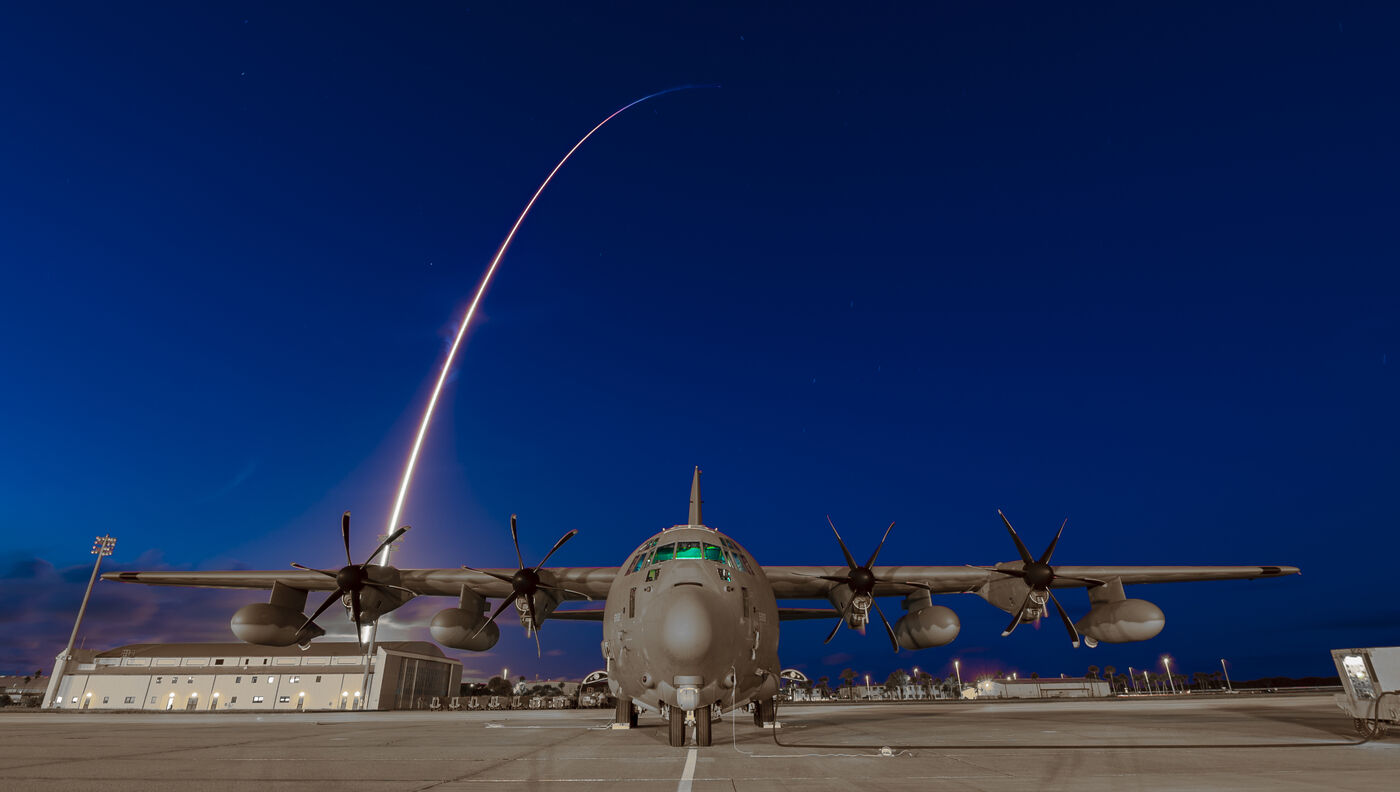
Patrick Space Force Base
Patrick Space Force Base is an active military installation located in Brevard County, Florida, along the Atlantic coast near Cocoa Beach. The site began as Naval Air Station Banana River in 1940, was transferred to the U.S. Air Force in the late 1940s, and was named Patrick Air Force Base in 1950. For decades it supported missile testing, satellite launches, and range operations associated with nearby Cape Canaveral. In December 2020, the installation was redesignated as Patrick Space Force Base, and it continues to provide launch range support and host space and missile operations.
Like many long-operating military airfields, Patrick has been the subject of concerns about potential exposure to industrial and firefighting chemicals. Decades of firefighting training and emergency response involving fuel fires introduced foam-based agents that have been associated with groundwater contamination at the base. A 2017 site inspection documented several release areas where these agents were used, and environmental investigation has continued in the years since.
- AFFF (aqueous film forming foam): AFFF is a firefighting foam used to suppress fuel and petroleum fires. At Patrick, it was used extensively in firefighting training exercises and in response to fuel-fire emergencies. The 2017 site inspection identified AFFF release areas as a primary source of contamination, and AFFF has been associated with the spread of long-lasting fluorinated compounds into soil and groundwater.
- PFAS (per- and polyfluoroalkyl substances): PFAS are a large family of synthetic chemicals valued for their resistance to heat, water, and oil, which is why they were included in firefighting foams. Because they do not break down easily, PFAS released at the base have persisted in the environment, with reported groundwater levels at Patrick said to reach into the millions of parts per trillion in some areas. Research has examined possible links between PFAS exposure and a range of health effects, and concerns about potential exposure remain under study.
- PFOS (perfluorooctane sulfonate): PFOS is a specific PFAS compound that was a common ingredient in older AFFF formulations. It has been detected in groundwater sampling connected to the base. PFOS has been associated in some studies with effects on the immune system, cholesterol levels, and other health concerns, though findings continue to be evaluated.
- PFOA (perfluorooctanoic acid): PFOA is another individual PFAS compound found alongside PFOS in firefighting foam residues and groundwater samples linked to the base. It is highly persistent in the environment and in the human body, and concerns have been raised about its potential association with certain long-term health outcomes.
Patrick Space Force Base is not listed on the federal National Priorities List (Superfund) for these issues. Environmental work at the installation has instead proceeded under the Department of Defense and Air Force environmental restoration programs, beginning with the 2017 site inspection that documented AFFF release areas. Further investigation and cleanup activities have been reported as ongoing, with portions of the work tied to funding and the staged process of evaluating affected areas.
Veterans, family members, and others who lived or worked at Patrick Space Force Base may wish to stay informed as environmental studies at the installation continue. Those with questions about possible exposure are encouraged to keep records of their service history and to speak with the U.S. Department of Veterans Affairs about health resources, screening options, and any benefits for which they may be eligible.
Were you stationed at a contaminated site?
The PACT Act of 2022 added more than 20 presumptive conditions for toxic exposure, including many cancers, and there is no deadline to file a VA claim.
This page is for informational purposes only and is not medical or legal advice. Consult a qualified professional about your health or benefits.
Discussion
No approved comments yet.