Niagara Falls Air Reserve Station
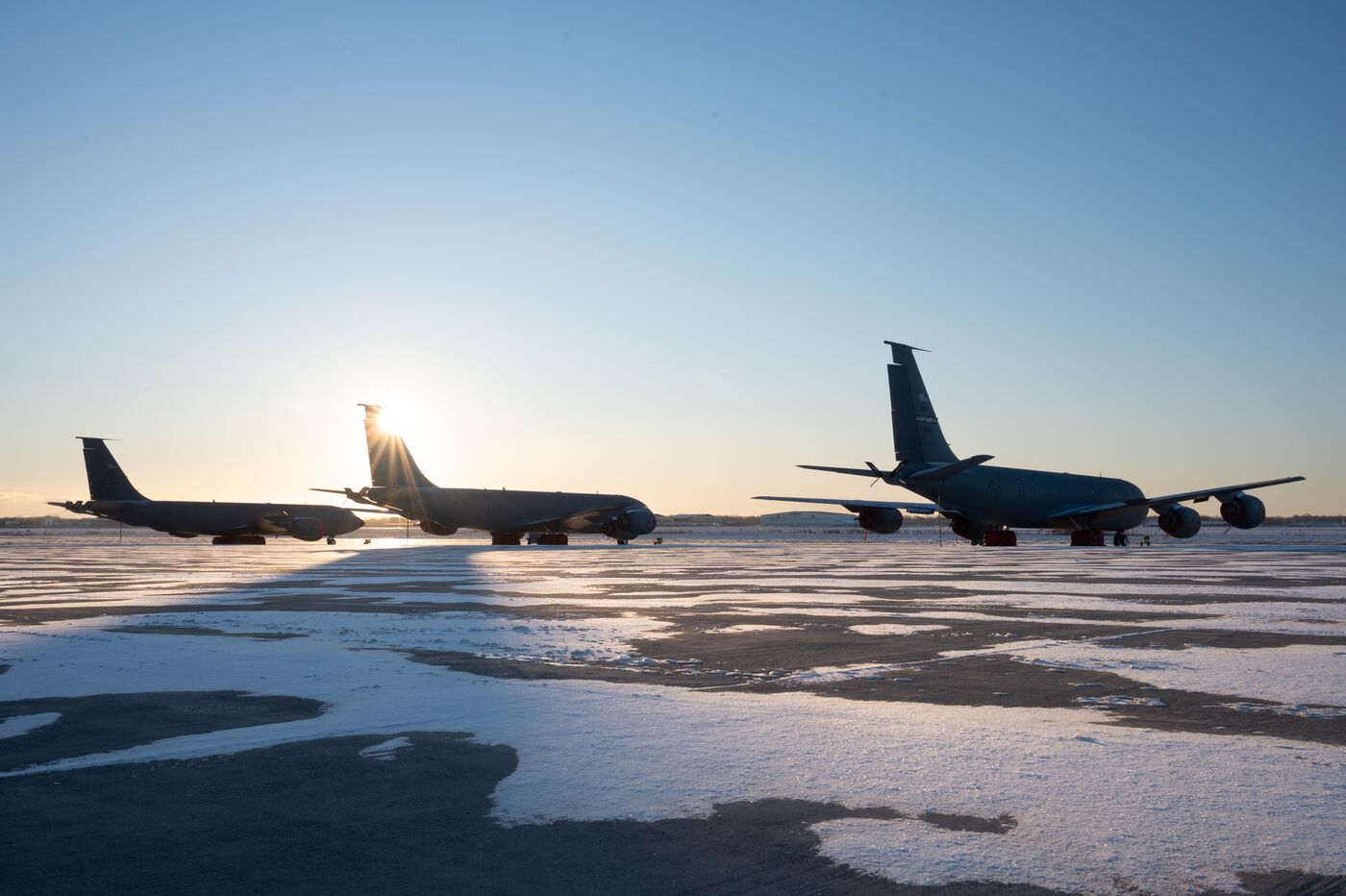
Niagara Falls Air Reserve Station is a U.S. Air Force Reserve installation in Niagara County, New York, near the city of Niagara Falls and adjacent to the Niagara Falls International Airport. The host unit, the 914th, was activated at the site in 1963 as the 914th Troop Carrier Group. For decades the wing flew tactical airlift aircraft, including the C-130 Hercules, supporting deployments and humanitarian relief missions. In 2017 the unit converted to an air refueling mission as the 914th Air Refueling Wing, operating the KC-135 Stratotanker.
Like many installations with a long firefighting and aircraft operations history, Niagara Falls Air Reserve Station has been the subject of concerns about potential exposure to environmental contaminants, particularly a group of compounds associated with firefighting foam. Testing in recent years documented these chemicals in groundwater at and around the base, and they have been the focus of attention from regulators, members of Congress, and local advocacy groups.
- PFAS: PFAS (per- and polyfluoroalkyl substances) are a large family of synthetic chemicals valued for their resistance to heat, water, and oil, and often described as "forever chemicals" because they break down very slowly. At Niagara Falls Air Reserve Station, PFAS originated largely from firefighting foam used in training and emergency response. Reporting has noted that PFAS migrated off site into Cayuga Creek, where the New York State Department of Environmental Conservation documented elevated levels in fish during 2019 surveys. PFAS exposure has been associated in some studies with a range of health effects, and research into those associations is ongoing.
- PFOS: PFOS (perfluorooctane sulfonate) is one of the most studied individual PFAS compounds and was a common ingredient in older firefighting foams. Testing completed in 2018 found PFOA and PFOS combined in groundwater at a firefighter training area at the station at levels reported up to 1,310,000 parts per trillion, among the highest readings recorded at any U.S. military site. PFOS has been associated with concerns about potential effects on the immune system, cholesterol, and other outcomes.
- PFOA: PFOA (perfluorooctanoic acid) is a related compound frequently detected alongside PFOS at military firefighting sites. At Niagara Falls, PFOA was measured together with PFOS in the very high combined groundwater readings noted above. PFOA has been the subject of study regarding potential associations with certain health conditions.
- AFFF: AFFF (aqueous film-forming foam) is the firefighting foam that served as the primary source of PFAS at the installation. According to reporting, firefighters used AFFF mostly in training activities at the station from roughly the 1960s through the late 1990s, and that historical use is regarded as the likely origin of the PFAS now found in soil, groundwater, and nearby surface water.
The installation is not listed on the federal National Priorities List (Superfund). Investigation and response have instead proceeded under the Department of Defense environmental cleanup framework, with the Air Force conducting site investigations consistent with the federal CERCLA process, phasing out legacy AFFF, and providing alternative water to certain affected private wells. As of mid-2024 reporting, however, no full remediation plan for the site had been finalized, and local residents and elected officials had called for faster action.
Veterans, civilian employees, and family members who lived or worked at Niagara Falls Air Reserve Station and have questions about possible exposure may wish to stay informed as testing and cleanup efforts continue. The U.S. Department of Veterans Affairs is the appropriate resource for guidance on benefits, health screenings, and current eligibility, and individuals with specific concerns are encouraged to speak with the VA and a personal health care provider.
Were you stationed at a contaminated site?
The PACT Act of 2022 added more than 20 presumptive conditions for toxic exposure, including many cancers, and there is no deadline to file a VA claim.
This page is for informational purposes only and is not medical or legal advice. Consult a qualified professional about your health or benefits.
Discussion
No approved comments yet.