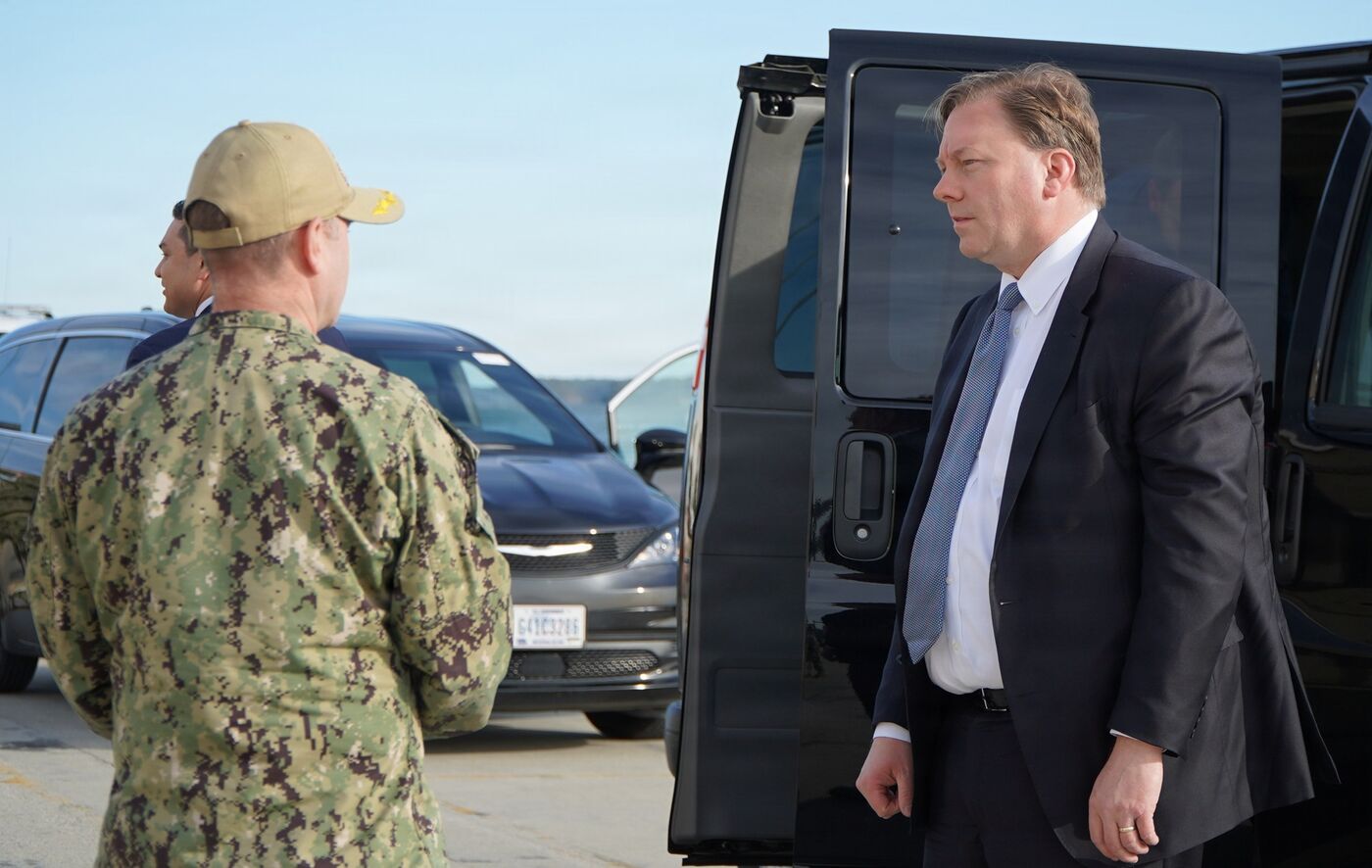
Naval Weapons Station Yorktown
Naval Weapons Station Yorktown is an active United States Navy munitions storage and ordnance load-out installation on the Virginia Peninsula in York County, Virginia. It was established on August 7, 1918, as the Navy Mine Depot to support mine warfare during World War I, and it became the largest naval ordnance depot in the world during World War II, when it added TNT loading plants, torpedo overhaul facilities, and a high-explosives research laboratory. The installation was renamed Naval Weapons Station Yorktown in the late 1950s as its mission broadened. Today it serves as one of the Navy's primary East Coast centers for the storage, maintenance, and loading of ordnance for surface combatants and submarines.
Decades of munitions handling, storage, and disposal left a legacy of environmental contamination across the station. Past operations affected soil, groundwater, surface water, and sediment, and the U.S. Environmental Protection Agency (EPA) has documented a range of contaminants of concern at the various operable units. The substances below have been documented at the site and have been associated, in scientific and public health literature, with concerns about potential exposure.
- Explosives compounds (RDX, TNT, HMX): These energetic chemicals were used and processed at the station's loading plants and research facilities and entered soil and groundwater through past handling and disposal practices. Exposure to explosives-related compounds such as RDX has been associated in some studies with concerns about effects on the nervous system and other organs.
- Solvents and chlorinated VOCs: Volatile and chlorinated volatile organic compounds were used in degreasing, cleaning, and maintenance operations and have been detected in groundwater at the installation. Prolonged exposure to certain solvents has been associated with concerns about potential health effects.
- Trichloroethene (TCE): This chlorinated solvent was historically used to clean metal parts and equipment and has been associated with degreasing operations at the site. TCE has been associated in research with concerns about potential effects on the kidneys, liver, immune system, and developing fetus, as well as certain cancers.
- Heavy metals: Metals such as arsenic, cadmium, chromium, lead, mercury, nickel, and zinc have been documented in soil and sediment as a result of past operations. Long-term exposure to some heavy metals has been associated with concerns about a range of potential health effects.
- Perfluorooctane sulfonate (PFOS): This is one of the per- and polyfluoroalkyl substances, or PFAS, commonly linked to AFFF firefighting foam used at military installations. The Navy is investigating PFOS at the station, and PFAS exposure has been associated in research with concerns about potential effects including certain cancers.
- Perfluorooctanoic acid (PFOA): Another PFAS compound under investigation by the Navy at Yorktown, PFOA is associated with historic firefighting and industrial uses. Studies have raised concerns about potential exposure and a variety of health outcomes.
Naval Weapons Station Yorktown was added to the EPA's National Priorities List in October 1992, designating it a federal Superfund site. A Federal Facilities Agreement among the Navy, the EPA, and the Virginia Department of Environmental Quality was signed in August 1994, and cleanup is carried out by the Navy under that framework. Sixteen operable units have been addressed, multiple Records of Decision have selected remedies, and remediation is ongoing, with the Navy separately investigating PFOS and PFOA contamination.
Veterans, family members, and others who lived or worked at Naval Weapons Station Yorktown may wish to stay informed about the ongoing investigation and cleanup activities. Anyone with questions about possible exposure and their health is encouraged to speak with the U.S. Department of Veterans Affairs (VA) and a personal physician, who can offer guidance based on individual circumstances.
Were you stationed at a contaminated site?
The PACT Act of 2022 added more than 20 presumptive conditions for toxic exposure, including many cancers, and there is no deadline to file a VA claim.
This page is for informational purposes only and is not medical or legal advice. Consult a qualified professional about your health or benefits.
Discussion
Was stationed in 1973,74, I saw so much toxins stored in old barn, sitting in 55 gal drums. On dirt floor, leaking was ordered to cover with sand to cover it, master chief Beasley, thanks you bastard.