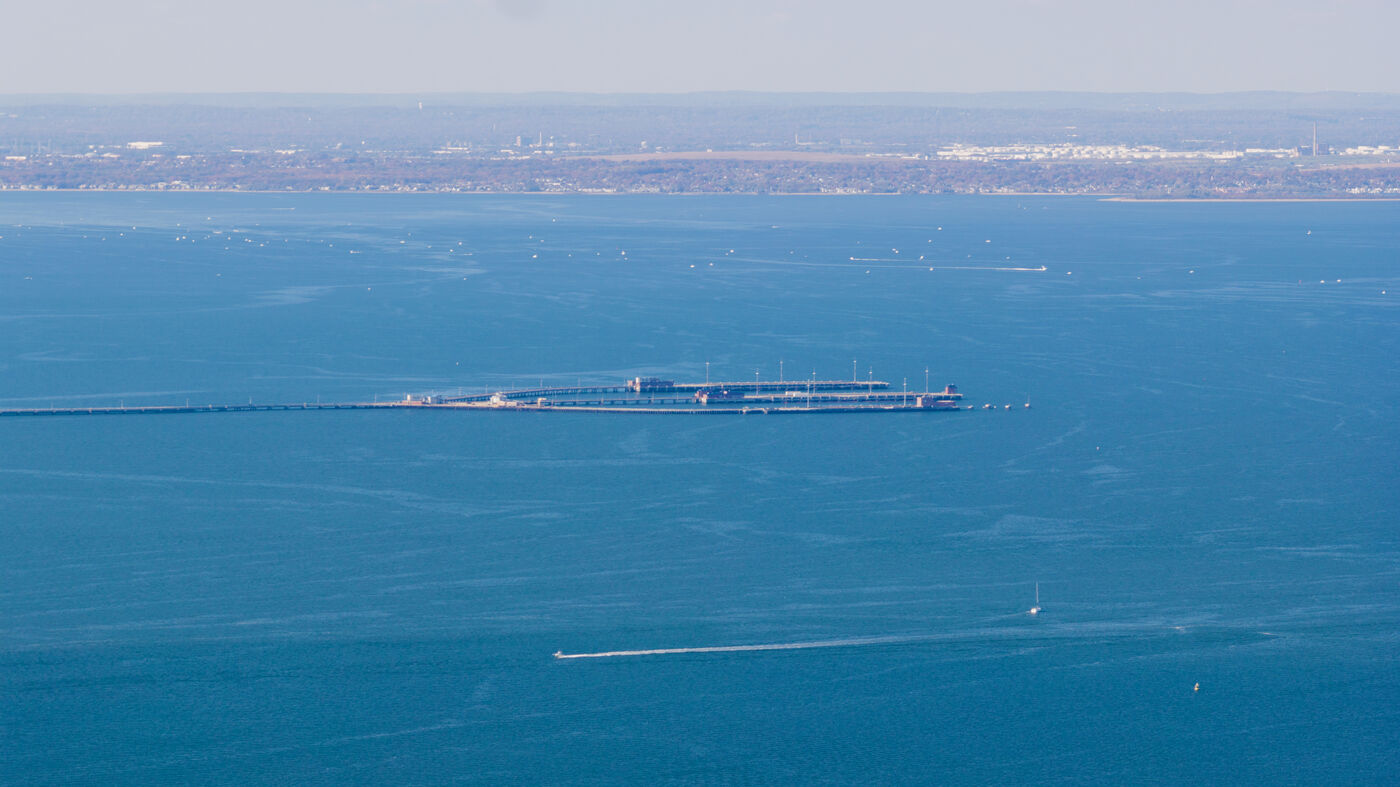
Naval Weapons Station Earle
Naval Weapons Station Earle is a U.S. Navy munitions installation in Monmouth County, New Jersey, spanning roughly 11,000 acres across Colts Neck and Howell Townships. Commissioned in 1943, the station renovates, stores, and maintains munitions and supplies ammunition to the fleet, with a pier complex on Sandy Hook Bay connected to inland magazine areas. Over its operating history, ammunition processing, painting, sandblasting, firefighting training, and waste disposal generated industrial byproducts that were buried or released across the property. Investigations identified 27 areas of concern, many grouped into operable units for phased cleanup.
Because of these past practices, the base has been associated with several documented contaminants that have raised concerns about exposure. The substances below reflect what regulators and the Navy have reported finding at the installation.
- TCE (trichloroethylene): TCE is a chlorinated solvent historically used for degreasing metal parts. At Earle, TCE has been identified in groundwater near a former process building, contributing to solvent plumes. Exposure has been associated with concerns about effects on the liver, kidneys, immune system, and developmental health.
- PCE (tetrachloroethylene): PCE is a related cleaning and degreasing solvent. A tetrachloroethene groundwater plume was documented at one of the station's investigation sites. PCE exposure has been associated with potential effects on the nervous system and other organs.
- Solvents and volatile organic compounds: Buried solvents, paints, and packing materials at multiple areas of concern produced volatile organic compound plumes in soil and groundwater. Such compounds have been associated with a range of health concerns depending on level and duration of exposure.
- Heavy metals: Paint chips, sludges, sandblasting residue, and lead bullets from shooting ranges left elevated metals such as lead, cadmium, zinc, and chromium in station soils. Exposure to lead and cadmium has been associated with concerns about effects on the nervous system and kidneys.
- PFAS: PFAS are a large group of synthetic chemicals valued for their resistance to heat, water, and oil. At Earle, PFAS were sampled in connection with a firefighting training school where foam was used. These compounds have been associated with concerns about effects on cholesterol, the immune system, and other health outcomes.
- PFOS: PFOS is one of the PFAS compounds present in older firefighting foams. Navy sampling in 2016 reported at least one well at or above the federal provisional health advisory for PFOS, and two affected residences were provided bottled water and later connected to the public water supply.
- PFOA: PFOA is another PFAS compound found in firefighting foam. Sampling at Earle identified a well above the New Jersey interim standard for PFOA. Like PFOS, it has been associated with concerns about long-term health effects.
- AFFF: AFFF, or aqueous film forming foam, is the firefighting foam that served as the source of PFAS at the station. Its use has been associated with PFAS migrating into soil and groundwater.
The EPA added Naval Weapons Station Earle to the National Priorities List in 1990, establishing it as a federal Superfund site. Cleanup has proceeded in phases and has included excavation and off site disposal of contaminated soil, removal of lead, and an air sparging and soil vapor extraction system that ran from 2001 until it was shut down in 2004 as groundwater contamination declined. PFAS sampling around 2015 and 2016 prompted drinking water responses for affected residences, and groundwater monitoring and institutional controls continue.
Veterans who served at Naval Weapons Station Earle and have questions about exposure are encouraged to stay informed as monitoring and cleanup move forward. Checking with the U.S. Department of Veterans Affairs about current guidance and screening can help individuals understand how this history relates to their health.
Were you stationed at a contaminated site?
The PACT Act of 2022 added more than 20 presumptive conditions for toxic exposure, including many cancers, and there is no deadline to file a VA claim.
This page is for informational purposes only and is not medical or legal advice. Consult a qualified professional about your health or benefits.
Discussion
No approved comments yet.