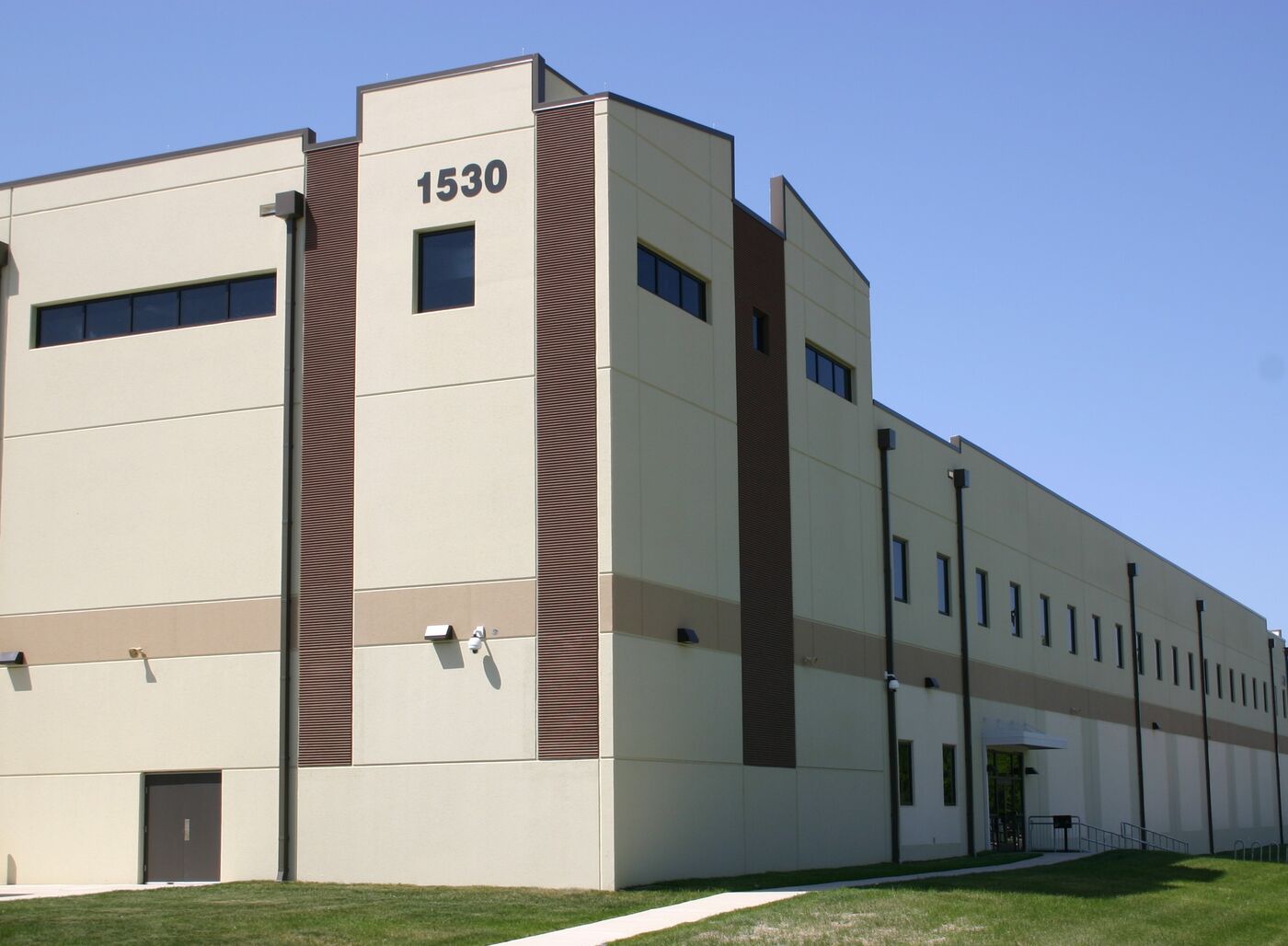
Naval Surface Warfare Center Dahlgren Division
Naval Surface Warfare Center Dahlgren Division, also known as Naval Support Facility Dahlgren, is a Navy research, development, testing, and evaluation installation along the Potomac River in King George County, Virginia, roughly 40 miles south of Washington, D.C. The facility was established in 1918 and spans approximately 4,300 acres. For more than a century it has focused on developing and testing surface ship weaponry and ordnance, work that historically involved firing munitions into river ranges. The base remains an active part of the Navy's weapons enterprise.
Because of this long-running testing, manufacturing, and disposal activity, soil, sediment, and groundwater at Dahlgren have been affected by a range of chemicals, and the site has been studied extensively by the Navy and the U.S. Environmental Protection Agency (EPA). The following contaminants have been documented in connection with operations at the installation.
- Heavy Metals. Decades of munitions firing and ordnance work discharged metals such as lead, cadmium, and chromium into soil, sediment, and river areas, where they can persist for long periods. Certain heavy metals have been associated in scientific literature with effects on the kidneys, nervous system, and other organs, raising concerns for those who lived or worked near affected areas.
- RDX and Other Explosives. As a weapons-testing facility, Dahlgren handled explosives and propellants, and residues such as RDX have been documented in environmental investigations. Explosive compounds and their breakdown products can migrate into soil and groundwater, and their presence has prompted continued monitoring.
- Solvents. Industrial solvents, including trichloroethylene (TCE), were used in maintenance, degreasing, and equipment cleaning. Solvents of this type are persistent and can move through soil into groundwater. TCE has been associated in some studies with concerns about effects on the kidneys, liver, and immune system, one reason groundwater use at parts of the base has been restricted.
- PCBs. Polychlorinated biphenyls (PCBs) were once widely used in electrical equipment and insulating fluids, and they have been identified among the contaminants documented at the installation. PCBs are persistent and can accumulate in the environment and have been associated with a range of potential health concerns, contributing to their inclusion in cleanup work.
- PFOS. Perfluorooctane sulfonate (PFOS) is one of the per- and polyfluoroalkyl substances (PFAS) linked to aqueous film-forming foam used in firefighting. The Navy is investigating PFOS at Dahlgren as part of its broader PFAS review. PFOS does not break down easily and can persist in groundwater, and concerns about potential exposure have been raised in connection with drinking water sources.
- PFOA. Perfluorooctanoic acid (PFOA) is a related PFAS compound also under Navy investigation at the site. Like PFOS, it is persistent and has been studied regarding its presence in groundwater. These investigations reflect concerns about potential long-term exposure rather than any confirmed individual outcome.
Naval Surface Warfare Center Dahlgren was added to the EPA National Priorities List, the federal Superfund list, on October 14, 1992. A Federal Facilities Agreement signed in 1994 set the framework for cleanup, which the Navy carries out under EPA oversight. Work has been organized across numerous sites and operable units, with records of decision issued for many of them. Some locations have been remediated and closed, while others remain in long-term monitoring or active restoration, including sites addressing PFAS. Cleanup and periodic five-year reviews are ongoing.
Veterans and family members who served at or near Dahlgren may find it helpful to stay informed as environmental investigations continue. Anyone with questions about possible exposure or benefits is encouraged to speak with the U.S. Department of Veterans Affairs (VA) and discuss health concerns with a qualified medical provider.
Were you stationed at a contaminated site?
The PACT Act of 2022 added more than 20 presumptive conditions for toxic exposure, including many cancers, and there is no deadline to file a VA claim.
This page is for informational purposes only and is not medical or legal advice. Consult a qualified professional about your health or benefits.
Discussion
No approved comments yet.