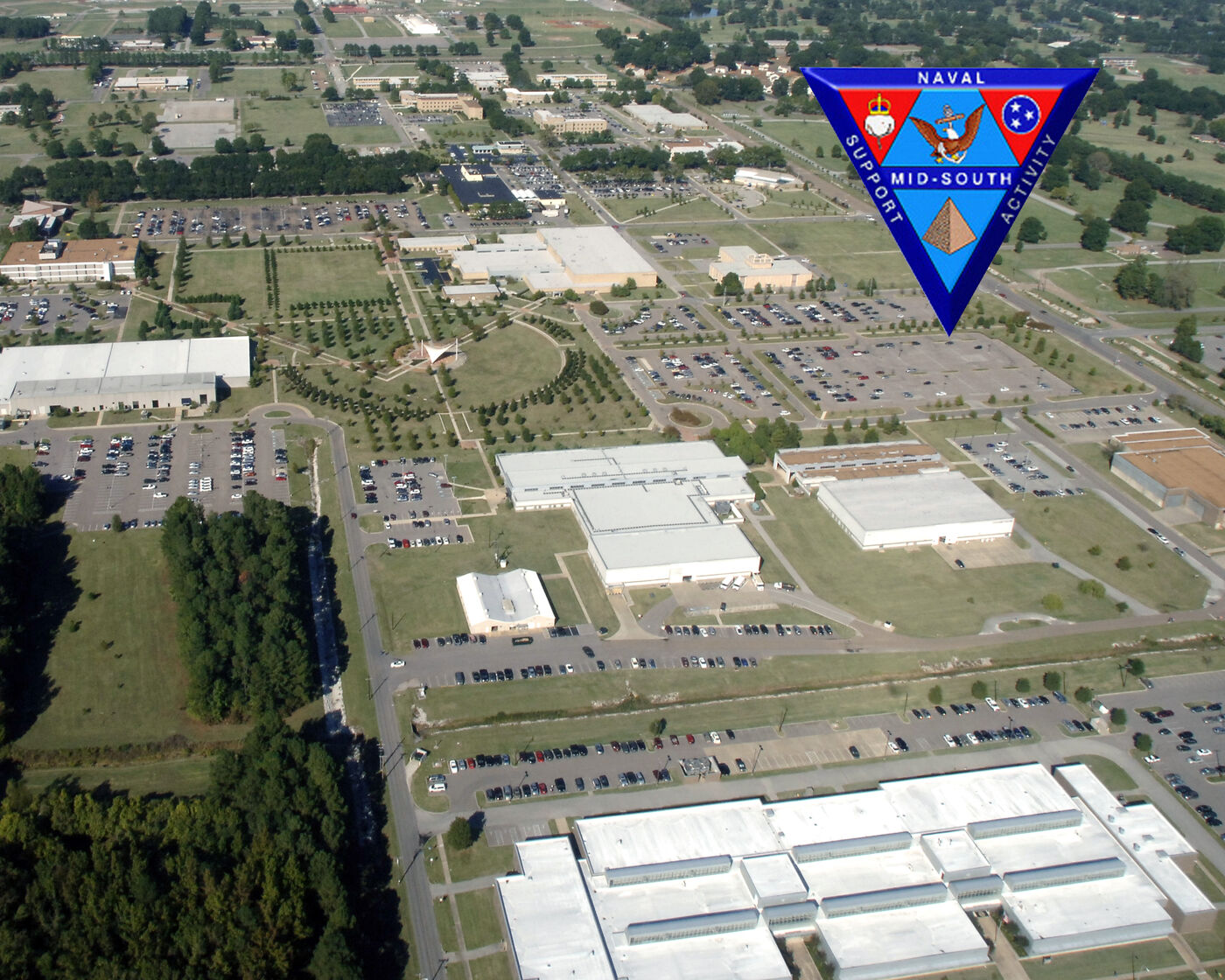
Naval Support Activity Mid-South
Naval Support Activity Mid-South is a U.S. Navy installation in Millington, Tennessee, just north of Memphis. The site traces its origins to Park Field, a World War I aviation training camp established in 1917, and was commissioned as a Naval Reserve Aviation Base in 1942 before being redesignated Naval Air Station Memphis on January 1, 1943. For decades it served as a major naval aviation and technical training center, hosting flight cadets during World War II and tens of thousands of technical trainees through the Korean and Vietnam eras. Following the 1993 Base Realignment and Closure process, the aviation training mission was disestablished, and the installation was renamed Naval Support Activity Memphis in 1995 and Naval Support Activity Mid-South in 1998. Today it functions as a Navy human resources hub, home to the Navy Personnel Command and numerous tenant commands.
Like many installations with a long history of aviation and firefighting operations, the former Naval Air Station Memphis has been the subject of environmental investigations into groundwater contamination. Concerns about potential exposure center on per- and polyfluoroalkyl substances detected in groundwater associated with past firefighting and fire training activities.
- PFAS: PFAS (per- and polyfluoroalkyl substances) are a large family of human-made chemicals valued for their resistance to heat, water, and grease, and are often described as persistent in the environment. At the former Naval Air Station Memphis, the Navy has reported PFAS in groundwater at six sites, including the Aircraft Fire Fighting Training Area, a fire station, a hangar, a plating shop dry well, an underground tank farm, and miscellaneous drainage ditches. The Navy has stated that monitoring wells at some locations contained PFAS at or above three times the EPA drinking water regulatory levels. Exposure to certain PFAS has been associated with a range of health concerns in scientific studies.
- PFOS and PFOA: PFOS and PFOA are two of the most studied individual PFAS compounds and were common ingredients in older firefighting foam formulations. At this base, these compounds are among the substances investigated in the groundwater sampling tied to former firefighting and training areas. Research has examined possible associations between PFOS and PFOA exposure and various health effects, though findings are still being evaluated.
- AFFF: AFFF (aqueous film forming foam) is a firefighting agent historically used to suppress fuel fires and is a recognized source of PFAS in the environment. At the former Naval Air Station Memphis, AFFF used in firefighting, fire training, and fire suppression systems is identified by the Navy as the likely origin of the PFAS detected in groundwater. Concerns about potential exposure relate to the migration of these chemicals from training and storage areas into groundwater.
The site is not listed on the National Priorities List as a federal Superfund site. Instead, the Navy is investigating the contamination under the Comprehensive Environmental Response, Compensation, and Liability Act (CERCLA) framework through its Base Realignment and Closure environmental program. In 2025, the Navy began sampling private drinking water wells located within about one mile in the direction of groundwater flow from the affected areas, offering testing to nearby property owners to evaluate PFAS levels in off-base drinking water.
Veterans, civilian employees, and family members who lived or worked at Naval Support Activity Mid-South or the former Naval Air Station Memphis may wish to stay informed as the Navy continues its sampling and investigation work. Those with questions about possible exposure or related benefits are encouraged to consult the U.S. Department of Veterans Affairs and a personal healthcare provider for guidance specific to their circumstances.
Were you stationed at a contaminated site?
The PACT Act of 2022 added more than 20 presumptive conditions for toxic exposure, including many cancers, and there is no deadline to file a VA claim.
This page is for informational purposes only and is not medical or legal advice. Consult a qualified professional about your health or benefits.
Discussion
No approved comments yet.