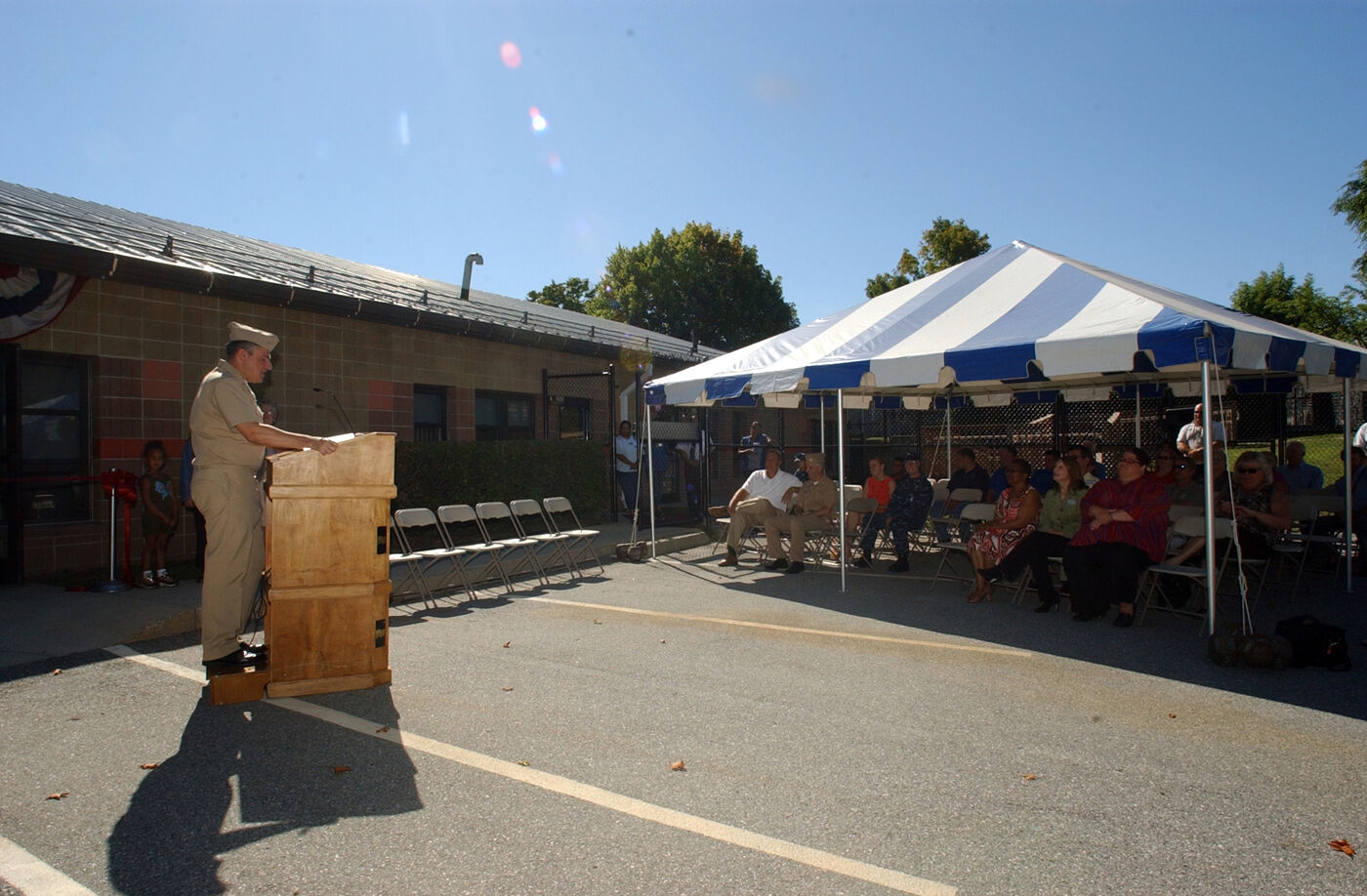
Naval Submarine Base New London
Naval Submarine Base New London is the United States Navy's primary submarine base on the East Coast, often referred to as the "Home of the Submarine Force." Despite its name, the installation sits in Groton, Connecticut, on the eastern bank of the Thames River in New London County, directly across the water from the city of New London. The site traces its origins to 1868, when Connecticut transferred land to the Navy, and it expanded significantly during World War II as submarine operations grew. Today the base spans several hundred acres, houses attack submarines, and hosts the Naval Submarine School, where officer and enlisted submariners receive their training. Decades of submarine support, fueling, maintenance, and waste disposal activities have left an environmental legacy that the Navy and federal regulators continue to address.
As with many long-active military installations, historical industrial and disposal practices at the base have raised concerns about potential exposure to several contaminants in soil, sediment, and groundwater. Environmental investigations identified numerous source areas, including landfills, chemical and fuel storage zones, and disposal sites tied to submarine operations.
- Solvents and degreasers: Industrial solvents and volatile organic compounds were used at the base for cleaning and degreasing equipment and parts associated with submarine maintenance. A solvent storage area and related disposal sites have been documented as sources of soil and groundwater contamination, with volatile organic compounds reported in on-base groundwater. Exposure to certain industrial solvents has been associated in health research with various health concerns, which is why ongoing monitoring is emphasized.
- Heavy metals: Metals such as lead and cadmium were detected in sediments and surface water at the site, linked in part to spent battery acids and other operational wastes. Long-term exposure to certain heavy metals has been associated with a range of health concerns, and their persistence in soil and water makes containment a priority.
- Polychlorinated biphenyls (PCBs): Oils containing PCBs were reported to have been spilled at the installation. PCBs were once common in electrical equipment and lubricants and break down very slowly in the environment. Exposure to PCBs has been associated with potential health effects, prompting their inclusion in the cleanup investigations.
- PFAS and AFFF: Per- and polyfluoroalkyl substances, known as PFAS, have been documented at the base in connection with the historical use of AFFF, a firefighting foam used in fire suppression and training involving fuels and flammable liquids. These compounds resist breaking down and can move through soil into groundwater, and PFAS attributable to firefighting foam has been investigated in areas near the base, including private drinking water wells. Exposure to PFAS has been associated in ongoing research with various health concerns.
The installation was added to the EPA's National Priorities List, the federal Superfund program, in August 1990, largely because of concerns that on-base groundwater contamination could migrate toward nearby residential wells. Cleanup has proceeded under CERCLA, with substantial progress reported: the landfills have been capped, multiple removal and excavation actions have been completed, and most identified problem areas have been addressed. Periodic groundwater and sediment monitoring continues, institutional controls limiting certain land uses remain in place, and the Navy has carried out separate assessments and remedial investigations focused specifically on PFAS.
Veterans, family members, and civilian workers who spent time at Naval Submarine Base New London may understandably have questions about these documented contaminants. Staying informed about the Navy's ongoing environmental work and discussing any health concerns or potential exposures with the U.S. Department of Veterans Affairs can help individuals understand the benefits and resources that may be available to them.
Were you stationed at a contaminated site?
The PACT Act of 2022 added more than 20 presumptive conditions for toxic exposure, including many cancers, and there is no deadline to file a VA claim.
This page is for informational purposes only and is not medical or legal advice. Consult a qualified professional about your health or benefits.
Discussion
No approved comments yet.