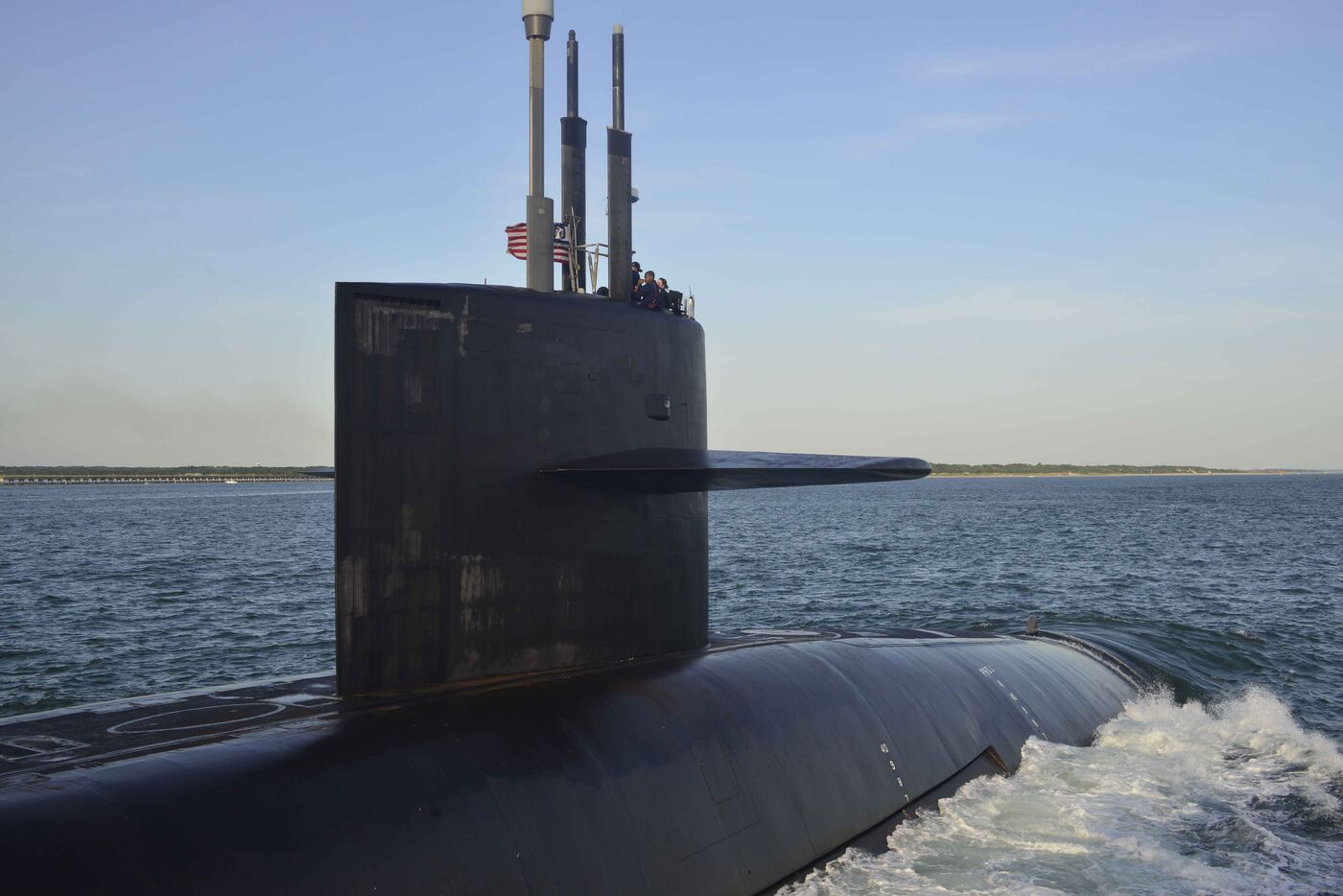
Naval Submarine Base Kings Bay
Naval Submarine Base Kings Bay is an active United States Navy installation in Camden County, in the southeastern corner of Georgia near the Florida border. The land was originally acquired by the U.S. Army in 1954 for a military ocean terminal, and the Navy established the submarine support base in a developmental status on July 1, 1978. In 1980 the installation was designated the Atlantic Fleet home port for the Navy's Trident ballistic missile submarines, which began one of the largest peacetime construction programs the Navy had undertaken, with major work starting in 1981. Today the base supports fleet ballistic missile submarines and hosts commands including the Trident Training Facility, the Trident Refit Facility, and Strategic Weapons Facility, Atlantic. As a large and long-operating naval facility, it has been the subject of environmental review consistent with that history.
Kings Bay appears on a Department of Defense list of installations where per- and polyfluoroalkyl substances have been associated with drinking water in surrounding communities. These concerns relate primarily to decades of firefighting foam use on military bases, and environmental assessment at the installation is ongoing.
- PFAS (per- and polyfluoroalkyl substances) are a large family of synthetic chemicals sometimes described as "forever chemicals" because they break down very slowly in the environment. At Kings Bay, PFAS concerns are attributed to the long-term use of firefighting foam, and the installation has been included among bases flagged for potential effects on nearby drinking water. Research has associated certain PFAS exposures with a range of possible health effects, and assessment of conditions at the base is continuing.
- PFOS (perfluorooctane sulfonate) is one of the most studied individual PFAS compounds and was a common component of older firefighting foams. Because of its presence in foam formulations historically used by the military, PFOS is among the substances of interest in the ongoing evaluation at Kings Bay. Studies have raised concerns about potential health effects from PFOS exposure over time.
- PFOA (perfluorooctanoic acid) is another widely examined PFAS compound that has been detected in association with firefighting foam use and industrial activity. It is included among the PFAS compounds that environmental assessments at military installations such as Kings Bay typically evaluate. PFOA has been associated in research with concerns about potential exposure and possible long-term health effects.
- AFFF (aqueous film forming foam) is a firefighting foam that the Department of Defense used for decades to suppress fuel fires and in training exercises. AFFF is regarded as the principal source of PFAS, including PFOS and PFOA, at many military sites, and its historical use is the basis for the contamination concerns identified at Kings Bay. Because AFFF can carry PFAS into soil and water, its past use is central to the ongoing review.
Naval Submarine Base Kings Bay is not listed on the National Priorities List as a Superfund site. Environmental work at the installation, including evaluation of PFAS, is being carried out under the Navy's environmental restoration efforts in coordination with federal and state authorities, and that assessment remains in progress rather than complete.
Veterans, civilian workers, and family members who spent time at Kings Bay and have questions about possible exposure may wish to stay informed as the Navy's assessment continues. The U.S. Department of Veterans Affairs is a useful starting point for current guidance on toxic exposure programs and related benefits, and speaking with a VA representative or a personal physician can help individuals understand what monitoring or care may be appropriate for their situation.
Were you stationed at a contaminated site?
The PACT Act of 2022 added more than 20 presumptive conditions for toxic exposure, including many cancers, and there is no deadline to file a VA claim.
This page is for informational purposes only and is not medical or legal advice. Consult a qualified professional about your health or benefits.
Discussion
No approved comments yet.