Naval Industrial Reserve Ordnance Plant (Fridley)
The Naval Industrial Reserve Ordnance Plant (NIROP) was a government-owned, contractor-operated Navy weapons manufacturing facility located on roughly 83 acres near the Mississippi River in Fridley, Minnesota. Operations began in 1940 and 1941, and over the following decades the plant and its contractors produced naval guns, gun mounts, and other ordnance in support of Navy programs. Large quantities of degreasing solvents, paints, and other industrial chemicals were used in manufacturing and metal finishing work. The Navy sold its interest in the property in the mid 2000s, and the former plant grounds are today part of the Northern Stacks industrial park redevelopment.
As at many older military industrial sites, the chemicals handled during production have raised concerns about potential exposure for workers and nearby residents. In the early 1970s, paint sludge and spent solvents were reportedly disposed of in pits and trenches in an area of the site, and the former East Plating Shop has been identified as a source area. In late 1980 and 1981, contamination was detected in on-site production wells, and in December 1981 it reached the City of Minneapolis drinking water intake located downstream in the Mississippi River, which prompted federal and state investigation.
- Trichloroethylene (TCE) is a chlorinated solvent that was widely used as a metal degreaser. According to the Minnesota Pollution Control Agency, TCE was the primary solvent used at NIROP and was the contaminant first discovered in site groundwater and at the Minneapolis water intake. TCE in groundwater and drinking water has been associated in scientific and government literature with concerns about effects on the liver, kidneys, immune system, and developing fetus.
- Tetrachloroethylene (PCE), also called perchloroethylene, is a related chlorinated solvent. State records report that it was used in smaller quantities and has been found in the aquifer beneath the site at low concentrations. PCE exposure has been associated with concerns about neurological effects and other health outcomes in regulatory assessments.
- Other chlorinated solvents and volatile organic compounds, including trichloroethane (TCA) and the TCE breakdown products 1,2-dichloroethylene and vinyl chloride, have been documented in soil and groundwater at the site. These compounds were tied to the historical use and disposal of cleaning and degreasing agents, and several have been associated with potential health concerns depending on the level and length of exposure.
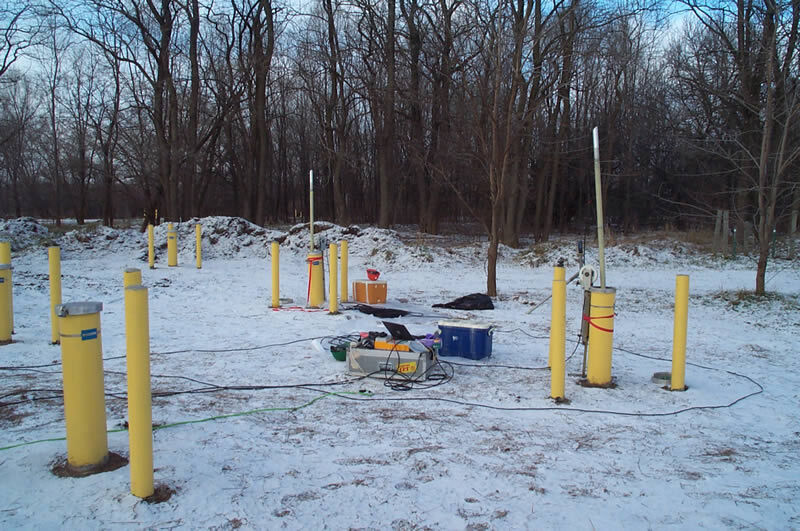
The Naval Industrial Reserve Ordnance Plant was placed on the EPA National Priorities List, the federal Superfund program, in 1989. In September 1990, the EPA signed a Record of Decision selecting a groundwater remedy in which contaminated groundwater is pumped, treated to remove volatile organic compounds, and discharged to the Mississippi River. Soil-related portions of the site were later addressed and removed from the list, while the groundwater operable unit remains on the NPL, with monitoring and treatment continuing under EPA and Minnesota Pollution Control Agency oversight.
Veterans and civilian personnel who served or worked at this installation may wish to stay informed as monitoring continues and as more is learned about historical contamination. Anyone with questions about possible exposure is encouraged to keep records of their service or employment and to speak with the U.S. Department of Veterans Affairs or a qualified health care provider about screening and available benefits.
Were you stationed at a contaminated site?
The PACT Act of 2022 added more than 20 presumptive conditions for toxic exposure, including many cancers, and there is no deadline to file a VA claim.
This page is for informational purposes only and is not medical or legal advice. Consult a qualified professional about your health or benefits.
Discussion
No approved comments yet.